


تقرير حقوقي: مخاوف من إعدامات جماعية وشيكة في مدينة الفلاحية (شادغان) بالأحواز عقب حملة اعتقالات تعسفية
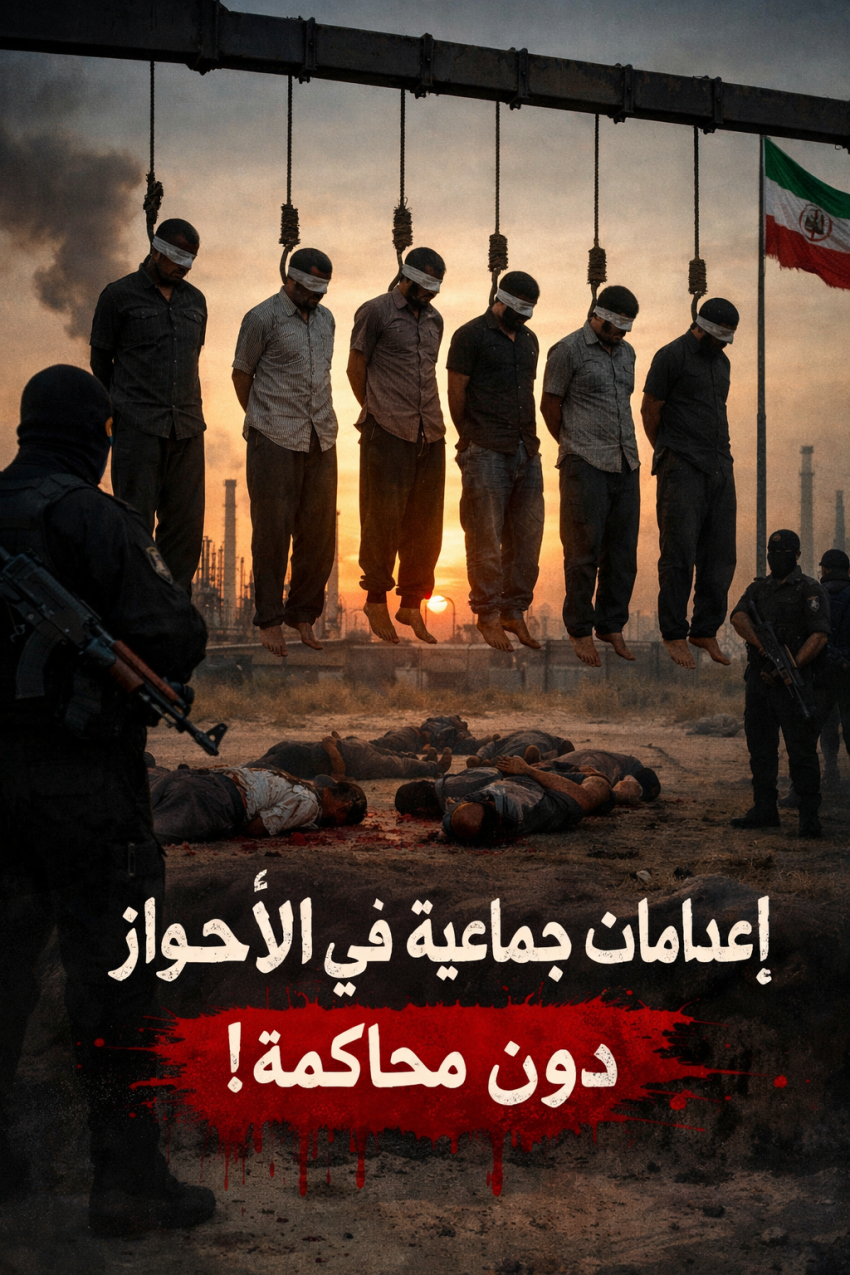
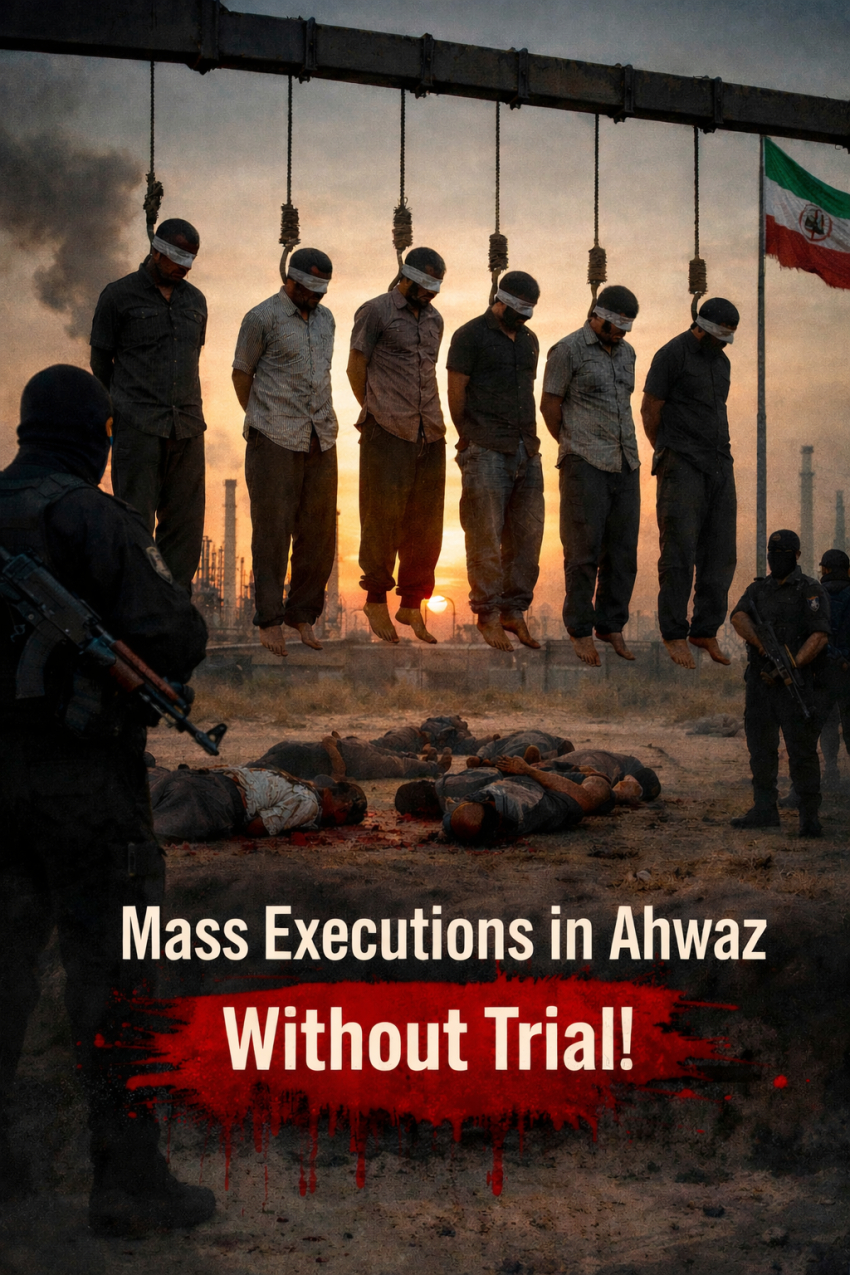
نيسان/أبريل 21, 2026تواجه مدينة الفلاحية في الأحواز تصعيداً أمنياً خطيراً ينذر بكارثة إنسانية، حيث وثقت المنظمة الأحوازية حقوق الإنسان معلومات تفيد بنية السلطات الإيرانية تنفيذ أحكام إعدام بحق أكثر من 20 شاباً أحوازياً في أعقاب محاكمات تفتقر لأدنى معايير النزاهة والشفافية الدولية.
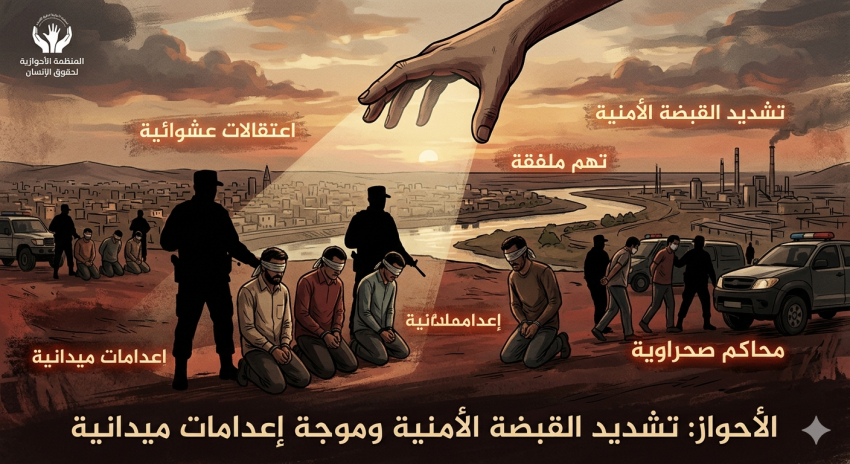
بدأت وقائع التصعيد قبل أيام، حين قامت قوات أمنية وعسكرية واسعة النطاق، مدعومة بآليات مصفحة، باقتحام عدة أحياء ريفية وحضرية في مدينة الفلاحية. اتسمت هذه المداهمات بالعنف المفرط واقتحام المنازل دون مذكرات قانونية، مما أدى إلى اعتقال عشرات الشباب واقتيادهم إلى مراكز احتجاز تابعة لجهاز الاستخبارات، مع إبقائهم في حالة اختفاء قسري طوال فترة الاحتجاز الأولى.
و وفقاً لإفادات ذوي المعتقلين التي جمعتها المنظمة من مكتب "ستاد خبري" الاستخباراتي، فقد أُبلغت العائلات بأن أبناءهم خضعوا لـ "إجراءات قضائية استثنائية" تحت بند الأحكام العرفية. وتتلخص أبرز الخروقات القانونية في هذا الملف كالآتي:
-
انعدام التمثيل القانوني: حُرم المعتقلون من حق توكيل محامين أو التواصل مع ذويهم.
-
تهم معلبة: وُجهت للمعتقلين تهم فضفاضة تتعلق بـ "التعاون مع جهات خارجية"، وهي تهم تُستخدم بشكل منهجي لتبرير القمع السياسي.
-
سرعة التنفيذ: إصدار أحكام بالإعدام شنقاً خلال أيام وجيزة من الاعتقال، مما يؤكد صورية المحاكمات وعدم استنادها إلى أدلة ملموسة أو إجراءات تقاضي سليمة.
و يأتي هذا التصعيد في ظل استغلال السلطات لحالة التوتر الإقليمي وانشغال الرأي العام الدولي، وبالتزامن مع تعتيم إعلامي متعمد وفرض قيود تقنية على شبكة الإنترنت في المنطقة لمنع وصول أخبار الانتهاكات إلى المنظمات الدولية.
تؤكد المنظمة الأحوازية لحقوق الإنسان أن ما يجري في الفلاحية يمثل انتهاكاً صارخاً للعهد الدولي الخاص بالحقوق المدنية والسياسية. وبناءً عليه، يوصي التقرير بما يلي:
-
الوقف الفوري لجميع قرارات الإعدام الصادرة بحق معتقلي مدينة الفلاحية.
-
فتح تحقيق دولي مستقل تحت إشراف الأمم المتحدة في ظروف الاعتقال والمحاكمات السرية التي جرت.
-
تمكين المنظمات الحقوقية من الوصول إلى المعتقلين لضمان عدم تعرضهم للتعذيب أو الإكراه.
تحمّل المنظمة الأحوازية لحقوق الإنسان المجتمع الدولي مسؤولية الصمت تجاه هذه الإعدامات الوشيكة، وتؤكد أن حياة هؤلاء المواطنين في خطر داهم يستوجب تحركاً دولياً عاجلاً قبل فوات الأوان.
تقرير حقوقي: الحراك الأحوازي في الذكرى الـ 101 (لندن، بروكسل، كانبرا)
نيسان/أبريل 19, 2026أحيى الشعب الأحوازي في الشتات الذكرى السنوية الواحدة بعد المئة لما يُعرف بـ "احتلال إقليم الأحواز"، عبر سلسلة من الفعاليات الميدانية والسياسية في عواصم القرار الدولي. تأتي هذه التحركات في ظل تصاعد الانتهاكات الممنهجة داخل الإقليم، واستمرار سياسات التمييز العرقي والتغيير الديموغرافي التي تمارسها السلطات الإيرانية.
أولاً: لندن - الحراك الميداني والسياسي
شهدت العاصمة البريطانية لندن نشاطاً مزدوجاً عكس ثقل الجالية الأحوازية وقدرتها على التنظيم:
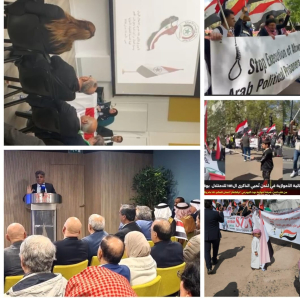
- المظاهرة الكبرى (18 نيسان): تجمع المئات أمام مقر رئاسة الوزراء البريطانية، حيث رُفعت شعارات تندد بـ "الإعدامات التعسفية" وسياسة "تعطيش الأحواز" عبر تحويل مجاري الأنهار. ركز المتظاهرون على مطالبة المجتمع الدولي بالاعتراف بالحالة الأحوازية كقضية "شعب تحت الاحتلال" وفق القوانين الدولية.
- المؤتمر السياسي (19 نيسان): عُقد مؤتمر بحضور شخصيات سياسية وحقوقية دولية، ناقش السبل القانونية لملاحقة المسؤولين الإيرانيين المتورطين في جرائم ضد الإنسانية في الإقليم، وآليات تدويل القضية في أروقة الأمم المتحدة.
ثانياً: بروكسل - قلب الاتحاد الأوروبي
بالتزامن مع حراك لندن، استضافت بروكسل مؤتمراً أحوازياً موسعاً، شكّل منصة دولية لإدانة الاحتلال الإيراني الغاشم للأحواز. وجّه المؤتمر نداءات حازمة للدول الإقليمية والغربية بضرورة تبني ودعم القضية الأحوازية في كافة المحافل الدبلوماسية والدولية. وقد حظي المؤتمر بزخم استثنائي بحضور نخبة من ممثلي المؤسسات الحقوقية، وشخصيات سياسية وفكرية عربية ودولية وازنة.
وشدد المتحدثون في كلماتهم على فظاعة الانتهاكات الإيرانية الجسيمة المرتكبة بحق الأحوازيين؛ شعباً وأرضاً وهُوية. وحمّل المؤتمر النظام الإيراني كامل المسؤولية القانونية والأخلاقية عن هذه الجرائم الممنهجة، مؤكداً أنها لا تُمثل خرقاً عابراً فحسب، بل هي انتهاك صارخ وفج لكافة المواثيق والقوانين الدولية، وفي مقدمتها العهد الدولي الخاص بالحقوق المدنية والسياسية، والعهد الدولي الخاص بالحقوق الاقتصادية والاجتماعية والثقافية.
كما دعا المؤتمر الاتحاد الأوروبي إلى الانتقال من مربع "الإدانة الخجولة" إلى مربع "الإجراءات العقابية" ضد سلطات الاحتلال الإيراني، والاعتراف الفوري بحق الشعب الأحوازي في تقرير مصيره وحماية ثرواته المنهوبة وبيئته التي تتعرض لتدمير متعمد. واختتم المشاركون بالتأكيد على أن قضية الأحواز هي قضية أمة وشعب لا يقبل بغير الحرية والسيادة الكاملة بديلاً، مهما بلغت تضحيات مائة عام وعام من الصمود.
وقفة الغضب في كانبرا: مائة عام وعام من الصمود ضد الاحتلال الإيراني
شهدت العاصمة الأسترالية كانبرا زحفاً بشرياً حاشداً لأبناء الجالية الأحوازية، الذين احتشدوا أمام وكر السفارة الإيرانية في مظاهرة غاضبة إحياءً للذكرى الواحدة بعد المئة لـ "يوم النكبة الأحوازية".
وتمثلت أبرز مضامين المظاهرة في النقاط الصارمة التالية:
-
التنديد بالاحتلال العسكري: أعلن المشاركون بصوت واحد رفضهم القاطع لاستمرار الاحتلال العسكري الإيراني الغاشم للأرض الأحوازية، مؤكدين أن مرور أكثر من قرن لم يزد الشعب الأحوازي إلا إصراراً على انتزاع سيادته المسلوبة.
-
فضح سياسات الإبادة: ندد المتظاهرون بالسياسات الإجرامية الممنهجة التي تنتهجها سلطات طهران، والتي تجاوزت كل الخطوط الحمراء لترتقي إلى مصاف "جرائم الإبادة الجماعية" والتطهير العرقي بحق الإنسان الأحوازي وهويته وأرضه.
-
استنهاض المجتمع الدولي: وجه المحتشدون نداءً شديد اللهجة إلى المجتمع الدولي والمؤسسات الأممية، مطالبين بخروجها عن صمتها المخزي والتحرك الفوري للجم آلة القتل والإرهاب التي يديرها الكيان الإيراني المحتل.
-
رسالة الصمود والتحدي: شدد المتظاهرون على أن صمود الشعب الأحوازي في الداخل هو الصخرة التي تتحطم عليها أوهام الاحتلال، مؤكدين استمرار النضال والمثابرة على أرض الواقع حتى دحر الكيان الإيراني واستعادة كافة الحقوق الوطنية المشروعة.
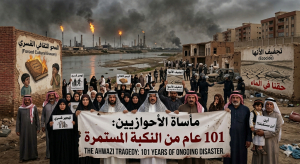
On the 101st Anniversary of the Occupation: A Century of Steadfastness Against Systemic Genocide
نيسان/أبريل 19, 2026Statement Issued by Alahwazi Organization for Human Rights (A.O.H.R)
On the 101st Anniversary of the Occupation: A Century of Steadfastness Against Systemic Genocide
One hundred and one years have passed since the occupation began. On this solemn occasion, the Alahwazi Organization for Human Rights (A.O.H.R) affirms that the suffering of the Arab people in Ahwaz transcends traditional human rights violations, escalating to the level of "Systemic Genocide", as defined by Article 6 of the Rome Statute of the International Criminal Court. The authorities in Tehran persist in policies that defy all international conventions, manifested in the following:
-
Ecocide and Geographical Eradication (Geocide): Through the deliberate destruction of ecosystems and the drying up of vital water sources. This constitutes a flagrant violation of Article 3 of the Universal Declaration of Human Rights (the right to life and security) and serves as a coercive tool for the forced displacement of the indigenous population.
-
The Entrenchment of "Apartheid": Through systemic settlement policies and the marginalization of the indigenous owners of the land in their economic and social rights, representing the pinnacle of racial discrimination prohibited by international law.
-
Forced Cultural Erasure: Prohibiting the Ahwazi people from using their mother tongue and altering the historical identity of their cities is a violation of Article 27 of the International Covenant on Civil and Political Rights (ICCPR), which guarantees ethnic groups the right to enjoy their own culture and use their own language.
-
Field Executions and the Gallows: The ongoing executions of our people represent a breach of Article 6 of the ICCPR, which states that "the right to life is inherent to every human being." These executions are part of a mass killing strategy aimed at purging the land of its liberation vanguard.
-
Arbitrary Detentions and Fabricated Charges: The imprisonment of thousands based on falsified security files contradicts Article 9 of the Universal Declaration of Human Rights, which stipulates that "no one shall be subjected to arbitrary arrest, detention or exile." This aim is to dismantle the social fabric and silence the legal voice of the people.
We affirm to the entire world that all practices of repression—executions, arrests, and deprivation—only increase our resolve and will to complete the journey toward ending enslavement and occupation. Our will shall not be broken by the ropes of the gallows; it remains the fuel for our struggle until we achieve freedom and dignity, in accordance with the principle of the right of peoples to self-determination enshrined in the United Nations Charter.
The recovery of the legitimate national rights of the Ahwazi people is the sole and essential gateway to achieving international peace and justice.
Alahwazi Organization for Human Rights (A.O.H.R)
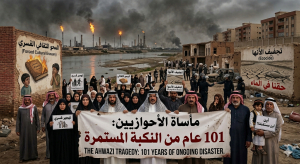
Zum 101. Jahrestag der Besetzung: Ein Jahrhundert der Standhaftigkeit gegen den systematischen Völkermord
نيسان/أبريل 19, 2026Erklärung des Ahwazischen Vereins für Menschenrechte e.V.
Zum 101. Jahrestag der Besetzung: Ein Jahrhundert der Standhaftigkeit gegen den systematischen Völkermord
Hunderteins Jahre sind seit der Besetzung vergangen. Aus diesem schmerzlichen Anlass bekräftigt der Der Ahwazische Verein für Menschenrechte e.V., dass das Leid des arabischen Volkes in Ahwaz den herkömmlichen Rahmen von Menschenrechtsverletzungen überschreitet und die Stufe eines „systematischen Völkermords“ (Systemic Genocide) erreicht hat, basierend auf Artikel 6 des Römischen Statuts des Internationalen Strafgerichtshofs. Die Behörden in Teheran verfolgen eine Politik, die allen internationalen Konventionen widerspricht:
-
Geozid und Umweltmord: Durch die gezielte Zerstörung von Ökosystemen und das Austrocknen lebenswichtiger Wasserquellen. Dies stellt einen eklatanten Verstoß gegen Artikel 3 der Allgemeinen Erklärung der Menschenrechte (Recht auf Leben und Sicherheit) dar und dient als Zwangsmittel zur Vertreibung der indigenen Bevölkerung.
-
Festigung des „Apartheid-Systems“ (Rassentrennung): Durch eine systematische Siedlungspolitik und die Marginalisierung der rechtmäßigen Eigentümer des Landes in ihren wirtschaftlichen und sozialen Rechten, was den Gipfel der völkerrechtlich verbotenen Rassendiskriminierung darstellt.
-
Erzwungene kulturelle Auslöschung: Den Ahwazi-Menschen die Muttersprache zu verweigern und die historische Identität ihrer Städte zu verändern, verstößt gegen Artikel 27 des Internationalen Pakts über bürgerliche und politische Rechte, der ethnischen Gruppen das Recht auf ihre eigene Kultur und Sprache garantiert.
-
Standrechtliche Exekutionen und das Schafott: Die fortgesetzten Hinrichtungen an unserem Volk verstoßen gegen Artikel 6 des Internationalen Pakts über bürgerliche und politische Rechte, der das Recht auf Leben als unantastbar erklärt. Diese Exekutionen sind Teil einer Strategie des Massenmords, um das Land seiner Befreiungsfront zu berauben.
-
Willkürliche Verhaftungen und fingierte Anklagen: Die Inhaftierung Tausender aufgrund gefälschter Sicherheitsakten widerspricht Artikel 9 der Allgemeinen Erklärung der Menschenrechte, wonach niemand willkürlich festgenommen oder inhaftiert werden darf. Ziel ist es, das soziale Gefüge zu zerstören und die Stimme des Rechts zu unterdrücken.
Wir versichern der ganzen Welt, dass all diese Unterdrückungsmaßnahmen unseren Entschluss, den Weg zur Beendigung der Knechtschaft und Besatzung fortzusetzen, nur stärken. Unser Wille wird vor dem Schafott nicht brechen; er bleibt der Motor unseres Kampfes für Freiheit und Würde, gemäß dem in der UN-Charta verankerten Selbstbestimmungsrecht der Völker.
Die Wiederherstellung der legitimen nationalen Rechte des ahwazischen Volkes ist der einzige und wesentliche Weg zu internationalem Frieden und Gerechtigkeit.
Der Ahwazische Verein für Menschenrechte e.V.
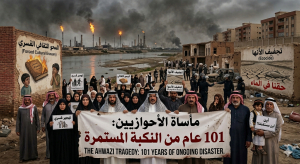
Déclaration de l'Organisation Ahwazie des Droits de l'Homme À l’occasion du 101ème anniversaire de l'occupation : Un siècle de résilience face au génocide
نيسان/أبريل 19, 2026Déclaration de l'Organisation Ahwazie des Droits de l'Homme
À l’occasion du 101ème anniversaire de l'occupation : Un siècle de résilience face au génocide
Cent un ans se sont écoulés depuis l'occupation. En cette douloureuse occasion, l'Organisation Ahwazie des Droits de l'Homme affirme que ce que subit le peuple arabe d'Ahwaz dépasse les cadres traditionnels des violations des droits de l'homme, pour s'élever au rang de "Génocide Systémique", conformément à l'Article 6 du Statut de Rome de la Cour Pénale Internationale. Les autorités de Téhéran poursuivent cette politique à travers des méthodes qui contreviennent à toutes les conventions internationales :
-
Géocide et Écocide : Par la destruction délibérée des écosystèmes et l'assèchement des sources de vie, ce qui constitue une violation de l'Article 3 de la Déclaration Universelle des Droits de l'Homme (droit à la vie et à la sécurité). C'est un moyen coercitif de déplacement des populations autochtones, classé comme une soumission délibérée du groupe à des conditions d'existence devant entraîner sa destruction physique.
-
Consécration de l'Apartheid : À travers des politiques de colonisation systématique et la marginalisation des populations autochtones dans leurs droits économiques et sociaux. Cela représente le sommet de la discrimination raciale interdite par le droit international.
-
Effacement Culturel Forcé : Priver l'individu Ahwazi de sa langue maternelle et altérer l'identité historique de ses villes constitue une violation de l'Article 27 du Pacte International relatif aux Droits Civils et Politiques, qui garantit aux minorités le droit de jouir de leur propre culture et d'utiliser leur langue.
-
Exécutions Sommaires et Potences : L'exécution de nos compatriotes viole l'Article 6 du Pacte International relatif aux Droits Civils et Politiques, stipulant que "le droit à la vie est inhérent à la personne humaine". Ces exécutions font partie d'une stratégie de massacre collectif visant à éliminer les avant-gardes de la libération.
-
Arrestations Arbitraires et Accusations Fabriquées : L'incarcération de milliers de personnes sur la base de dossiers de sécurité falsifiés contrevient à l'Article 9 de la Déclaration Universelle des Droits de l'Homme, qui stipule que "nul ne peut être arbitrairement arrêté, détenu ni exilé". Cela vise à briser le tissu social et à faire taire la voix du droit.
Nous affirmons au monde entier que toutes les pratiques de répression ne font que renforcer notre détermination à poursuivre la lutte pour mettre fin à l'asservissement et à l'occupation. Notre volonté ne sera pas brisée par les cordes de la potence ; elle restera le moteur de notre combat jusqu'à l'obtention de la liberté et de la dignité, conformément au principe du droit des peuples à disposer d'eux-mêmes inscrit dans la Charte des Nations Unies.
Le recouvrement des droits nationaux légitimes du peuple Ahwazi est la seule voie fondamentale vers la réalisation de la paix et de la justice internationale.
Organisation Ahwazie des Droits de l'Homme
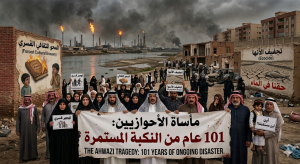
بیانیه سازمان احوازى حقوق بشر به مناسبت ۱۰۱-مین سالگرد اشغال: یک قرن پایداری در برابر نسلکشی سیستماتیک
نيسان/أبريل 19, 2026بیانیه صادر شده از سوی سازمان احوازى حقوق بشر در ۱۰۱-مین سالگرد اشغال: یک قرن پایداری در برابر نسلکشی
صد و یک سال از اشغال میگذرد و در این مناسبت دردناک، سازمان احوازى حقوق بشر تأکید میکند آنچه ملت عرب در احواز با آن روبروست، از چارچوبهای سنتی نقض حقوق بشر فراتر رفته و به سطح «نسلکشی سیستماتیک» (Systemic Genocide) رسیده است. این اقدامات بر اساس ماده ۶ اساسنامه رم (دیوان کیفری بینالمللی) صراحت دارد و توسط مقامات تهران از طریق مسیرهایی که با تمامی میثاقهای بینالمللی مغایرت دارد، اعمال میشود:
-
نسلکشی جغرافیایی و زیستمحیطی (Geocide): نابودی عمدی اکوسیستمها و خشکاندن منابع حیاتی، که نقض ماده ۳ اعلامیه جهانی حقوق بشر (حق حیات و امنیت شخصی) محسوب میشود. این اقدام ابزاری قسری برای کوچ اجباری بومیان است و به عنوان قرار دادن عمدی یک گروه در معرض شرایط دشوار زندگی به قصد نابودی فیزیکی آنها طبقهبندی میشود.
-
تثبیت نظام «آپارتاید» (تبعیض نژادی): از طریق سیاستهای شهرکسازی سیستماتیک و به حاشیه راندن صاحبان اصلی زمین در حقوق اقتصادی و اجتماعی؛ امری که نقض «کنوانسیون بینالمللی رفع هرگونه تبعیض نژادی» و اوج جرایم ممنوعه در قوانین بینالمللی است.
-
محو فرهنگی اجباری: محروم کردن انسان احوازی از زبان مادری و تغییر هویت مکانی شهرها، نقض ماده ۲۷ میثاق بینالمللی حقوق مدنی و سیاسی است که حق گروههای قومی در بهرهمندی از فرهنگ و زبان خود را تضمین میکند.
-
اعدامهای میدانی و طنابهای دار: اجرای احکام اعدام علیه فرزندان ملت ما، نقض ماده ۶ میثاق بینالمللی حقوق مدنی و سیاسی است که تأکید دارد «حق زندگی از حقوق ذاتی هر انسان است». این اعدامها بخشی از استراتژی کشتار جمعی برای تخلیه سرزمین از پیشگامان آزادیخواه است.
-
بازداشتهای خودسرانه و اتهامات ساختگی: زندانی کردن هزاران نفر با پروندههای امنیتی جعلی، با ماده ۹ اعلامیه جهانی حقوق بشر که تصریح میکند «هیچکس را نباید خودسرانه توقیف، حبس یا تبعید کرد» در تضاد است و هدف آن از بین بردن بافت اجتماعی و خاموش کردن صدای حقوقی ملت است.
ما به تمام جهان تأکید میکنیم که تمامی اقدامات سرکوبگرانه، از اعدام و بازداشت تا محرومیت، تنها بر عزم و اراده ما برای ادامه مسیر پایان دادن به بردگی و اشغال میافزاید. اراده ما در برابر طنابهای دار نخواهد شکست، بلکه اینها سوخت مبارزه ما تا دستیابی به آزادی و کرامت بر اساس «اصل حق تعیین سرنوشت» مصرح در منشور ملل متحد باقی خواهد ماند.
بازپسگیری حقوق ملی و مشروع ملت احواز، تنها ورودی اصلی و بنیادین برای تحقق صلح و عدالت بینالمللی است.
سازمان احوازى حقوق بشر
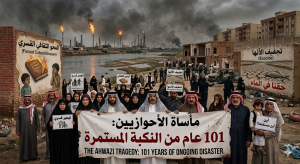
بيان صادر عن المنظمة الأحوازية لحقوق الإنسان في الذكرى الـ 101 للاحتلال: قرنٌ من الثبات في مواجهة الإبادة الجماعية
نيسان/أبريل 19, 2026بيان صادر عن المنظمة الأحوازية لحقوق الإنسان
في الذكرى الـ 101 للاحتلال: قرنٌ من الثبات في مواجهة الإبادة الجماعية
مائة عام وعام تمر على الاحتلال، وفي هذه المناسبة الأليمة، تؤكد المنظمة الأحوازية لحقوق الإنسان أن ما يواجهه الشعب العربي في الأحواز يتجاوز الأطر التقليدية لانتهاكات حقوق الإنسان، ليرتقي إلى مصاف "الإبادة الجماعية الممنهجة" (Systemic Genocide)، استناداً إلى المادة 6 من نظام روما الأساسي للمحكمة الجنائية الدولية، والتي تنتهجها السلطات في طهران عبر مسارات تنافي كافة المواثيق الدولية:
- الإبادة الجغرافية والبيئية (Geocide): عبر التدمير المتعمد للنظم البيئية وتجفيف منابع الحياة، مما يعد انتهاكاً لـ المادة 3 من الإعلان العالمي لحقوق الإنسان (الحق في الحياة والأمان الشخصي)، ووسيلة قسرية لتهجير السكان الأصليين، وهو ما يصنف كإخضاع الجماعة عمداً لأحوال معيشية يقصد بها إهلاكها الفعلي.
- تكريس نظام "الأبارتهايد" (الفصل العنصري): من خلال سياسات الاستيطان الممنهج وتهميش أصحاب الأرض الأصليين، وهو ما يمثل انتهاكاً لـ الاتفاقية الدولية للقضاء على جميع أشكال التمييز العنصري، وذروة الجرائم التي تحظرها القوانين الدولية.
- المحو الثقافي القسري: إن حرمان الإنسان الأحوازي من لغته الأم وتغيير هوية مدنه يمثل انتهاكاً لـ المادة 27 من العهد الدولي الخاص بالحقوق المدنية والسياسية، والتي تكفل للمكونات القومية حق التمتع بثقافتها الخاصة واستخدام لغتها.
- الإعدامات الميدانية وحبال المقصلة: إن تنفيذ الإعدامات بحق أبناء شعبنا يمثل خرقاً لـ المادة 6 من العهد الدولي الخاص بالحقوق المدنية والسياسية التي تنص على أن "الحق في الحياة حق ملازم لكل إنسان"، وتعتبر هذه الإعدامات جزءاً من استراتيجية القتل الجماعي لإفراغ الأرض من طلائعها التحررية.
- الاعتقالات العشوائية والتهم المفبركة: إن زج الآلاف في السجون بتهم ملفقة ينافي المادة 9 من الإعلان العالمي لحقوق الإنسان التي تنص على أنه "لا يجوز اعتقال أي إنسان أو حجزه أو نفيه تعسفاً"، ويهدف ذلك لكسر النسيج الاجتماعي وتغييب الصوت الحقوقي.
إننا نؤكد للعالم أجمع أن كل ممارسات القمع، من إعدامات واعتقالات وحرمان، لا تزيدنا إلا عزماً وإرادة لتكملة مسيرة إنهاء الاستعباد والاحتلال. إن إرادتنا لن تنكسر أمام حبال المقصلة، بل ستظل وقوداً لنضالنا حتى الحصول على الحرية والكرامة وفقاً لـ مبدأ حق الشعوب في تقرير مصيرها المنصوص عليه في ميثاق الأمم المتحدة.
إن استرداد الحقوق الوطنية المشروعة للشعب الأحوازي هو المدخل الوحيد والجوهري لتحقيق السلام والعدالة الدولية.
المنظمة الأحوازية لحقوق الإنسان
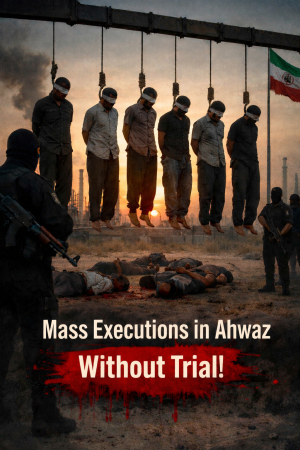
Alahwazi Organization for Human Rights (A.O.H.R) warns of a "Genocide Campaign" and docum
نيسان/أبريل 03, 2026The Alahwazi Organization for Human Rights (A.O.H.R), based on its documented field sources, reports a terrifying escalation in the rate of summary executions carried out by Iranian authorities against Ahwazi citizens. In addition to the execution of activist Hossein Silawi last Wednesday, the organization has learned of an execution carried out two weeks ago against a citizen from the "Al-Bualdi" (or Baldi) tribe in the Kot Abdallah district of Ahwaz Capital. Sources have not yet been able to identify his first name due to the severe security blackout.
Reports received by the organization indicate an expansion of these physical liquidations to include:
-
Fallahieh City: 5 executions carried out.
-
Mohammara City: 1 execution carried out.
-
Ramiz City: (55 km from the capital) 8 executions recorded.
-
Salhia, Suse, and Hamidieh: 6 executions recorded and distributed among these cities.
The organization emphasizes that the charge leveled against all these victims is "communication with Ahwazi organizations in exile" (labeled as "enemies" by the regime). These are baseless allegations used as a pretext to liquidate them without trial, amidst a total paralysis of judicial institutions due to the ongoing war involving the United States, Israel, and Iran.
Legal Qualification: Crimes Against Humanity
The A.O.H.R asserts that what is happening in Ahwaz today is not an "application of the law" but a gross violation of all international covenants:
-
Violation of Article (6) of the International Covenant on Civil and Political Rights: which prohibits the arbitrary deprivation of life. Carrying out mass executions in various cities without regular trials constitutes "collective extrajudicial execution."
-
Invalidity of Charges: Exercising the right to political or media communication does not constitute a crime under international law. Labeling opponents in exile as "enemies" to legitimize the killing of activists inside the country is a violation of the principle of "legality of crimes and punishments."
-
International Criminal Responsibility: Since these executions are carried out under direct orders from the Revolutionary Guard leadership and the head of the judiciary to terrorize civilians, they fall under "Crimes Against Humanity" and "War Crimes" according to the Rome Statute, especially as they target a specific population group on an ethnic and political basis.
Call to Action by A.O.H.R
The Alahwazi Organization for Human Rights holds the Iranian authorities, specifically the Revolutionary Guard leadership managing the "field courts" (summary courts) in Ahwazi cities, fully responsible for these massacres.
The A.O.H.R calls upon the international community to:
-
Act urgently to immediately halt these executions carried out away from international oversight.
-
Form an urgent international fact-finding mission to visit prisons in Ahwaz Capital, Ramiz, Fallahieh, and other afflicted cities.
-
Designate the military judges affiliated with the Revolutionary Guard as "war criminals," blacklist them as human rights violators, and circulate their names internationally.
Alahwazi Organization for Human Rights (A.O.H.R)
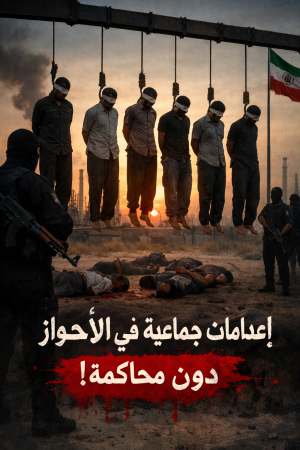
Der Ahwazische Verein für Menschenrechte e.V. warnt vor einer „Kampagne des Völkermords“ und dokumentiert die Hinrichtung Dutzender Aktivisten in verschiedenen ahwazischen Städten
نيسان/أبريل 03, 2026Der Ahwazische Verein für Menschenrechte e.V. berichtet unter Berufung auf dokumentierte Quellen vor Ort über eine erschreckende Eskalation standrechtlicher Hinrichtungen durch die iranischen Behörden gegen ahwazische Bürger. Neben dem Verbrechen der Hinrichtung des Aktivisten Hossein Silawi am vergangenen Mittwoch hat der Verein von der Vollstreckung eines Todesurteils vor zwei Wochen gegen einen Bürger des Stammes „Al-Bualdi“ (oder Baldi) im Bezirk Kot Abdallah (Ahwaz-Stadt) erfahren. Aufgrund der massiven Nachrichtensperre konnten die Quellen seinen Vornamen noch nicht identifizieren.
Berichte, die dem Verein vorliegen, deuten auf eine Ausweitung dieser physischen Liquidationen hin, die folgende Städte umfassen:
-
Stadt Fallahieh: Durchführung von 5 Hinrichtungen.
-
Stadt Mohammara: 1 Fall einer Hinrichtung.
-
Stadt Ramiz: (55 km von der Hauptstadt entfernt) Registrierung von 8 Hinrichtungen.
-
Städte Salhia, Susa und Hamidieh: Registrierung von insgesamt 6 Hinrichtungen.
Der Verein betont, dass der Vorwurf gegen alle diese Opfer „Kommunikation mit ahwazischen Organisationen im Exil“ lautet (die vom Regime als Feinde bezeichnet werden). Dies sind haltlose Anschuldigungen, die als Vorwand genutzt werden, um sie ohne Gerichtsverfahren zu liquidieren – inmitten einer vollständigen Lähmung der Justizbehörden aufgrund des anhaltenden Krieges mit den USA und Israel.
Rechtliche Einordnung: Verbrechen gegen die Menschlichkeit
Der Verein stellt fest, dass das, was heute in Ahwaz geschieht, keine „Anwendung des Gesetzes“ ist, sondern eine schwerwiegende Verletzung aller internationalen Abkommen:
-
Verletzung von Artikel 6 des Internationalen Pakts über bürgerliche und politische Rechte: Dieser verbietet die willkürliche Entziehung des Lebens. Massenhinrichtungen in verschiedenen Städten ohne ordnungsgemäße Verfahren gelten als „kollektive außergerichtliche Hinrichtungen“.
-
Nichtigkeit der Anklagen: Die Ausübung des Rechts auf politische oder mediale Kommunikation stellt nach internationalem Recht kein Verbrechen dar. Die Einstufung von Oppositionellen im Exil als „Feinde“, um das Blut von Aktivisten im Inland zu legitimieren, ist ein Verstoß gegen den Grundsatz „Keine Strafe ohne Gesetz“.
-
Internationale strafrechtliche Verantwortlichkeit: Da diese Hinrichtungen auf direkten Befehl der Führung der Revolutionsgarde und der Justizspitze erfolgen, um die Zivilbevölkerung einzuschüchtern, fallen sie gemäß dem Römischen Statut unter „Verbrechen gegen die Menschlichkeit“ und „Kriegsverbrechen“, zumal sie eine spezifische Bevölkerungsgruppe aufgrund ethnischer und politischer Merkmale ins Visier nehmen.
Aufruf des Vereins
Der Ahwazische Verein für Menschenrechte e.V. macht die iranischen Behörden, insbesondere die Führung der Revolutionsgarde, die diese „Standgerichte“ in den ahwazischen Städten leitet, vollumfänglich für diese Massaker verantwortlich.
Wir fordern die internationale Gemeinschaft auf:
-
Umgehend Maßnahmen zu ergreifen, um diese Hinrichtungen, die fernab internationaler Beobachtung durchgeführt werden, sofort zu stoppen.
-
Eine dringende internationale Untersuchungskommission einzusetzen, um die Gefängnisse in Ahwaz-Stadt, Ramiz, Fallahieh und den anderen betroffenen Städten zu besuchen.
-
Die der Revolutionsgarde unterstellten Militärrichter als „Kriegsverbrecher“ einzustufen, ihre Namen auf die schwarze Liste der Menschenrechtsverletzer zu setzen und ihre Identitäten international bekannt zu machen.
Der Ahwazische Verein für Menschenrechte e.V.
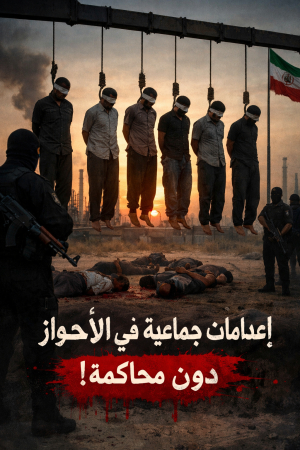
L'A.O.H.R met en garde contre une "campagne de génocide" et documente l'exécution de dizaines de militants dans diverses villes ahwazies
نيسان/أبريل 03, 2026L'Organisation Ahwazie pour les Droits de l'Homme (Alahwazi Organization for Human Rights - A.O.H.R), s'appuyant sur ses sources documentées sur le terrain, alerte sur une escalade terrifiante du rythme des exécutions sommaires pratiquées par les autorités iraniennes contre les citoyens ahwazis. Outre le crime d'exécution du militant Hossein Silawi mercredi dernier, l'organisation a appris l'exécution, il y a deux semaines, d'un citoyen de la tribu "Al-Bualdi" (ou Baldi) dans la zone de Kot Abdallah à Ahwaz Capitale ; les sources n'ont pas encore pu identifier son prénom en raison du black-out sécuritaire rigoureux.
Les rapports parvenus à l'organisation indiquent une extension de ces liquidations physiques incluant :
-
Ville de Fallahieh : exécution de 5 cas.
-
Ville de Mohammara : 1 cas d'exécution.
-
Ville de Ramiz : (à 55 km de la capitale) enregistrement de 8 cas d'exécution.
-
Villes de Salhia, Suse et Hamidieh : enregistrement de 6 cas d'exécution répartis entre elles.
L'organisation souligne que l'accusation portée contre toutes ces victimes est la "communication avec des organisations ahwazies en exil" (qualifiées d'"ennemis" par le régime). Ce sont des accusations infondées utilisées comme prétexte pour les liquider sans procès, dans un contexte de paralysie totale des institutions judiciaires due à la guerre en cours avec les États-Unis et Israël.
Qualification Juridique : Crimes contre l'Humanité
L'A.O.H.R affirme que ce qui se passe aujourd'hui à Ahwaz n'est pas une "application de la loi", mais une violation flagrante de toutes les conventions internationales :
-
Violation de l'Article (6) du Pacte international relatif aux droits civils et politiques : qui interdit la privation arbitraire de la vie. L'exécution massive dans différentes villes sans procès réguliers est considérée comme une "exécution extrajudiciaire collective".
-
Invalidité des accusations : L'exercice du droit à la communication politique ou médiatique ne constitue pas un crime selon le droit international. Qualifier les opposants en exil d'"ennemis" pour légitimer le sang des militants à l'intérieur est une violation du principe de "légalité des délits et des peines".
-
Responsabilité pénale internationale : Étant donné que ces exécutions sont menées sur ordre direct des commandants des Gardiens de la Révolution et de la présidence de la justice pour terroriser les civils, elles entrent dans le cadre des "crimes contre l'humanité" et des "crimes de guerre" selon le Statut de Rome, d'autant plus qu'elles visent un groupe de population spécifique sur une base ethnique et politique.
Appel de l'A.O.H.R
L'Organisation Ahwazie pour les Droits de l'Homme tient les autorités iraniennes, et particulièrement les commandants des Gardiens de la Révolution qui dirigent les "tribunaux de campagne" (sommaires), pour pleinement responsables de ces massacres.
L'A.O.H.R appelle la communauté internationale à :
-
Agir d'urgence pour l'arrêt immédiat de ces exécutions pratiquées loin des regards internationaux.
-
Former une commission d'enquête internationale urgente pour visiter les prisons d'Ahwaz Capitale, Ramiz, Fallahieh et des autres villes sinistrées.
-
Considérer les juges militaires affiliés aux Gardiens de la Révolution comme des "criminels de guerre", inscrire leurs noms sur la liste noire des violateurs des droits de l'homme et diffuser leurs identités à l'échelle internationale.
Alahwazi Organization for Human Rights (A.O.H.R)