أيلول/سبتمبر 05, 2026

مسئول امور حقوق بشر دولت آلمان می‌گوید با روی کارآمدن روحانی وضعیت حقوق بشر در ایران بهبود نیافت. کارشناس عفو بین‌الملل تأکید دارد که اکنون زمان گفت‌وگوی غرب با ایران درباره وضعیت حقوق بشر فرا رسیده است. 

اثری از میرحسین موسوی در نمایشگاه نقاشی‌های او در برلین

کریستوف اشترسر (Christoph Strässer) مسئول امور حقوق بشر دولت آلمان در گفت‌و‌گوی اختصاصی با بخش فارسی دویچه‌وله می‌گوید که با وجود وعده‌هایی که حسن روحانی برای بهبود وضعیت حقوق بشر و شهروندی داده در این حوزه عملا تغییری حاصل نشده است. وی تاکید می‌کند فشار بر دولت ایران برای رعایت حقوق بشر باید بیشتر شود.

مسئول امور حقوق بشر دولت آلمان به این پرسش دویچه وله که آیا موضوع حقوق بشر قربانی مذاکرات هسته‌ای غرب با ایران شده است، چنین پاسخ می‌دهد: «من طور دیگری به این قضیه نگاه می‌کنم. این درست است که در افکار عمومی بیشتر مسئله مذاکرات هسته‌ای مطرح بوده ولی ما در هفته‌‌ها و ماه‌های اخیر چندین بار به دولت ایران نامه نوشتیم و از گزارش‌های عفو بین‌الملل پشتیبانی کردیم. ما درخواست کردیم مخالفینی که ناعادلانه دادگاهی شدند و به زندان افتادند، آزاد شوند. برای ما این موضوع اهمیت دارد. شاید افکار عمومی ما نیاز بیشتری به روشنگری دارد، چون مذاکرات هسته‌ای به لحاظ سیاسی بر همه چیز سایه انداخته و به نظرمن این درست نیست.»

مسئول امور حقوق بشر دولت آلمان در ادامه همچنین تاکید می‌کند: «به نطر من گفت‌وگو و مذاکره با ایران راه درستی است، زیرا آلترناتیو و راه‌های دیگر پرخطر است. درعین حال ما به شرکت‌های آلمانی که قصد دارند بدون در نظرگرفتن وضعیت حقوق بشر در ایران قرارداد ببندند و فعالیت کنند، نیز هشدار می‌دهیم.»

امکان بحث پارلمان آلمان درباره حقوق بشر در ایران

اشترسر به دویچه‌وله گفت که او قرار است در اوایل ماه آوریل در "کمیسیون حقوق بشر و کمک‌های بشردوستانه" پارلمان درباره وضعیت حقوق بشر گزارش دهد و اگر کمسیون مزبور بپذیرد، موضوع وضعیت حقوق بشر در ایران به پارلمان آلمان کشیده خواهد شد. 

کریستف اشترسر، مسئول امور حقوق بشر دولت آلمان

به گفته مسئول امور حقوق بشر دولت آلمان فشار بر اقلیت‌های دینی و سرنوشت برخی از پرونده‌های زندانیان از محورهای گفت‌وگوی مقامات آلمانی با طرف ایرانی خواهد بود.

او در این رابطه اشاره می‌کند که کشور متبوعش از مقامات ایرانی درباره پرونده امید کوکبی، دانشجوی فوق دکترای فیزیک اتمی در دانشگاه تگزاس، توضیح خواسته است.

اشترسر تاکید می‌کند سرنوشت این دانشمند جوان ما را نگران کرده و در افکار عمومی غرب، آلمان و اروپا آنچه بر او گذشته غیرقابل تصور است. وی می‌افزاید که آلمان در مذاکرات بعدی خود با دولت ایران خواستار آزادی امید کوکبی خواهد شد.

گفتنی است که امید کوکبی در سال ۱۳۸۹ خلال تحصیل در آمریکا وقتی برای دیدار با خانواده خود به ایران بازگشته بود، هنگام خروج از ایران در فرودگاه امام خمینی به اتهام "ارتباط با دولت متخاصم و کسب درآمد نامشروع" دستگیر و به مدت ۱۰ سال حبس محکوم شد.

دهها تن از استادان خارجی و دانشمندان از جمله ۸ تن از برندگان جایزه نوبل با ارسال نامه‌ به مقامات دولتی و آیت‌الله سید علی خامنه‌ای خواستار آزادی وی شدند. مقامات قضائی و دولت ایران تابه‌حال به اعتراضات بین‌المللی پاسخی نداده‌اند.

عفو بین‌الملل: فرصت ایران برای بهبود حقوق بشر

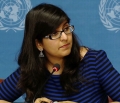
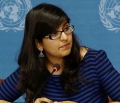
بهاره دویس کارشناس مربوط به ایران در سازمان "عفو بین‌الملل" به دویچه‌وله می‌گوید با وجود "برخی نکات مثبت در کارنامه دولت ایران" وضعیت حقوق بشر در این کشور تغییر چشمگیر و بنیادین نکرده است.

در اردیبهشت ماه امسال "اصلاحات قانون مجازات اسلامی" به امضای رئیس جمهور رسید و مقام‌های ایرانی فرصت برای منطبق کردن قوانین خود با تعهدات بین‌المللی را از دست دادند.

این قانون همچنان علیه زنان و اقلیت‌ها تبعیض‌آمیز است. عفو بین‌الملل انتقاد می‌کند که مجازات‌های غیرانسانی همچون اعدام، سنگسار، شلاق، قطع عضو هنوز به قوت خود باقی مانده و پس از روی کار آمدن حسن روحانی هم از تعداد اعدام‌ها کاسته نشده است.

درارزیابی وضعیت حقوق بشر در ایران نهادهای بین‌المللی دنیا از جمله عفو بین‌الملل انتقاد می‌کنند که مذاکرات هسته‌ای ایران با غرب سبب شده که موضوع حقوق بشر کم‌تر در گفتگوها مطرح شود.

بهاره دویس ، نماینده عفو بین‌الملل در مصاحبه با دویچه وله ضمن تائید این موضوع تاکید می‌کند: اکنون زمان اولویت دادن به مسئله حقوق بشر در مذاکرات غرب با ایران فرا رسیده است.

خانم دویس اضافه می‌کند: «در چند سال گذشته و نه فقط الآن مسئله حقوق بشر زیر سایه بحث‌ها در مورد برنامه هسته‌ای ایران بوده است. من فکر می‌کنم که الآن به هر حال یک توافقاتی حاصل شده و زمان آن فرا رسیده که این سایه برداشته شود و مسئله حقوق بشر چه در ایران و چه در خارج از ایران به عنوان اولویت این مذاکرات مطرح شود.»

نهادهای بین‌ا‌لمللی حقوق بشر از افزایش تعداد اعدام‌ها در ایران انتقاد می‌کنند

نهادهای بین‌ا‌لمللی حقوق بشر از افزایش تعداد اعدام‌ها در ایران انتقاد می‌کنند

مذاکرات ایران با غرب و افزایش اعدام‌ها در داخل

کارشناس "عفو بین‌الملل" همچنین یادآور می‌شود که همزمان با برگزاری مذاکرات هسته‌ای ایران با غرب اعدام‌ها در داخل افزایش داشته است. او درباره دلایل این امر چنین توضیح می‌دهد: «این که بخواهیم دقیقا بگوییم دلیلش چی هست کمی سخت است، زیرا ایران آمار دقیقی از اعدام‌ها و حکمی که هر سال صادر می‌کند، ارائه نمی‌‌دهد و در نبود این آمار حدس زدن دلیل این اعدام‌ها هم مشکل است. اما بیشتر اعدا‌م‌ها در رابطه با مواد مخدر بوده است. برخی از صاحب‌نظران بر این باورند که به دنبال اعمال تحریم‌ها و بدتر شدن وضعیت اقتصادی، فقر در کشور بیشتر شده و همین تعداد بیشتری از افراد کم‌درآمد جامعه را به طرف مواد مخدر سوق داده است. در نتیجه شمار بیشتری دستگیر شده و تعداد بیشتری هم حکم صادر شده است، اما این نیز در حد یک فرضیه باقی می‌ماند.»

عفو بین‌ا‌لملل همچنین تائید می‌کند اعدام‌های سیاسی از میان اقلیت‌های قومی و دینی افزایش داشته و در رابطه با "اعدام بلوچ‌ها، پیروان اهل سنت و اقلیت عرب اهوازی" تعداد زیادی بیانیه منتشر شده که همه از دولت ایران تقاضا دارند که به این اعدام‌ها پایان دهد.

امید و ناامیدی در مسئله حقوق بشر در ایران

نماینده عفو بین‌الملل در گفت‌وگو با دویچه وله اظهار امیدواری می‌کند و تاکید دارد: «ما همیشه امیدواریم در وضعیت حقوق بشر در ایران بهبودی ایجاد شود و در راستای این امید به کارزارهای حقوق بشری خود ادامه می‌دهیم.»

اما کریستوف اشترسر مسئول امور حقوق بشر دولت آلمان می‌گوید: «انتظارات ما برای بهبود وضعیت حقوق بشر با روی کار آمدن آقای روحانی برآورده نشد و در عمل به هیچ وجه تغییری نکرده است. درباره منشور حقوق شهروندی هم صحبت‌های زیادی به میان آمده اما درعمل هیچ نتیجه‌ای نداشته است. بنابراین ما روحانی را نه بر اساس حرف‌ها و وعده‌های او، بلکه باید بر اساس عملکرد او بسنجیم و آنچه ما تا کنون شاهدش بودیم نومید‌کننده بوده است. ما فعلا امیدی نداریم اما انتظاراتی داریم که از طریق دیپلماسی باید به آنها رسید.»

مسئول امور حقوق بشر دولت آلمان درباره این انتظارات خود چنین می‌گوید: «انتظار ما این است که سیاست‌مداری که به ریاست جمهوری انتخاب شده باید به وعده‌های خود عمل کند. وضعیت اپوزسیون و اقلیت‌های دینی را بهبود بخشد. به نظر من زمانی این وضع تغییر خواهد کرد که فشار‌ها نیز افزایش یابد. سودمند این است که ما از تلاش‌مخالفان یعنی نیروهای قانون‌مدار دست کم با موضع‌گیری روشن و صریح حمایت کنیم. به نظر من در این زمینه کمبود و کم‌کاری وجود دارد و من در این زمینه تلاش خواهم کرد.»

دويتشه فيلة

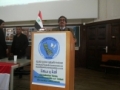
تعرض المواطن و الأديب الأحوازي سيد موسى الموسوي في مساء يوم الخميس الموافق ل 06.03.2014 الى عملية اختطاف على يد رجال وزارة المخابرات الايرانية على الاراضي الهولندية و من امام بيته و ذلك بعد خروجه من البيت في الساعة 20:30 مساء يوم الخميس.

و قال موسى الموسوي انه تعرض لعملية اختطاف على يد شخصين ملثمين بعد ما تعرضت له سيارة و هو في طريقه الى احدى الجمعيات بالقرب من بيته حيث نزل احدهم حتى يضع كمامة على فمه يفقد اثرها الوعي حتى يجد نفسه بعد ذلك في منزل مجهول.

و اضاف موسى ان الملثمين كان احدهم يتحدث باللهجة اللبناينة و الاخر باللهجة المغربية الا ان الشخص الثالث و الذي كان متواجدأ في البيت و يبدؤ انه المخطط الرئيسي لهذه المعلية الارهابية كان جالسأ دون ان يتحدث.

و قام الخاطفون بتعذيب الموسوي و ضربه بشكل وحشي و اخذ الصور و الافلام منه بعد ما خلعوا ملابسه.

و فيمايخص مطالب الخاطفين قال الموسوي ان الخاطفين كانوا يبحثون عن معلومات فيمايخص النشاط الأحوازي في المنفى و انهم قاموا بطرح اسئلة متعددة عليه منها فيما يخص زيارة المنسق العام للجان جبهة الأحواز الديمقراطية(جاد) الى المملكة العربية السعودية و التي زارها بمناسبة مهرجان الجنادرية الذي انعقد في يوم 12  من شهر فبراير هذا العام و حضرته شخصيات دولية و اقليمة منها ايضأ مسؤولون ايرانيون من السلطة الحاكمة.

و أكد سيد موسى انه تعرض قبل هذا الى تهديد هاتفي بعد مشاركته في اليوم الأحوازي الذي اقامته المنظمة الأحوازية لحقوق الإنسان في التاسع من شهر نوفمبر عام 2013 في جامعة هامبورغ الالمانية الا انه لم يأخذ ذلك التهديد بمحمل الجد.

و بعد اختطافه على يد المجموعة الارهابية الايرانية على الأراضي الهولندية قال له احد الخاطفين بانه قد هدده هاتفيأ قبل هذا .

و في السياق نفسه قد تم حرق منزل السيد محمد هادي البطيلي على يد مجموعة ارهابية ايرانية يحتمل ان تكون هي المجموعة التي قامت باختطاف السيد موسى الموسوي اذ قامت تلك المجموعة بفتح باب المنزل بشكل محترف و تفتيشه و سرقت الحاسوب و بعض المستندات و الوثائق الشخصية و من ثم قامت بحرق البيت بشكل كامل و هو الامر الذي تطلب متابعة الشرطة الهولندية.

في فيينا ايضأ و قبل عام واحد قامت مجموعة من ثلاثة ايرانيين بمراقبة مطعم كارون الأحوازي الذي تم افتتاحه بالقرب من المكتب الثقافي و السياحي الايراني و وضع العمال و المشرفين عليه تحت المراقبة و لكن تم اكتشاف هذه العملية الارهابية من قبل الامن النمساوي و عمال المطعم بالوقت المناسب.

و من أهم المراكز الايرانية التي تراعي مثل هذه الاعمال الارهابية بشكل مباشر هي :

1. السفارات الايرانية

2.بعض من مكاتب الطيران الايرانية و منها مكتب طيران ايران اير في فيينا

3.المراكز الثقافية و السياحية الايرانية و التي تهتم هذه الاخيرة باقامة ندوات و مناسبات فارسية للجالية الفارسية في مراكزها التي تحاول من خلالها ان تتعرف على افراد للعمل في جهاز المخابرات الايرانية للقيام باعمال ارهابية ضد الأحوازيين و الازريين و الاكراد و البلوش .

4.المساجد و الحسينيات الايرانية في اوروبا

و تدين المنظمة الأحوازية لحقوق الإنسان  هذه الأعمال الارهابية التي تمارسها السلطات الايرانية ضد المواطنين الأحوازيين و التي تعتبر اختراقأ وااضحأ للقوانين الدولية فيما يخص بقانون احترام الدول و سيادتها مطالبة في الوقت نفسه السلطات الهولندية باتخاذ اجرات صارمة ضد هذه الاعمال الارهابية لحماية مواطنيها.

المنظمة الأحوازية لحقوق الإنسان


تزداد الأحوال المناخية سوء في كل عام بالمدن الأحوازية و ذلك نتيجة لتدمير البيئي التي تشهده المدن الأحوازية منذ مايقارب العقدين من الزمن على يد السلطات الايرانية بهدف تغيير الديموغرافي .

فوجود ثلاث مفاعلات نووية (مفاعل ابوشهر و مفاعل دور خوين و مفاعل ثالث غير معلن عنه لغاية هذا اليوم بالقرب من سد كارون 3 في مدينة ايذج) في الجغرافية الأحوازية بالاضافة الى سياسية بناء السدود السياسية ونقل مياه الانهر و تجفيفها و سياسية اغتصاب الاراضي الزراعية و انشاء مشروع قصب السكر الاستيطاني على اكثر من 900000 تسعة مئات الف هكتار لاسيما صب نفايات المستشفيات و المصانع البتروكيمياويات و الحديد و غيرها هي من أهم اسباب هذا التدمير البيئي الذي أدى الى الان بحياة الالاف من المواطنين الأحوازيين.

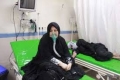
ولقد شهدت الأشهر الماضية دخول أكثر من 23000 شخص إلى أقسام الطوارئ بمستشفيات المدن الأحوازية بسبب صعوبات في التنفس وراءها الأمطار الحمضية التي يرى المراقبون انها ناتجة عن تسربات نووية من مفاعل دور خوين الواقع مابين مدينتي عبادان و الأحواز العاصمة.

وفي السياق نفسه  صرح رئيس قسم الطوارئ بالأحواز السيد اسد الله الموسوي و بأمر من المحافظ الايراني في الأحواز عن عدم السماح له بتقديم اي احصائية حول المصابين بمرض التنفس في الأحواز .

و لكن و رغم محاولة السلطات الايرانية بعدم الكشف عن مثل هذه الجريمة في وسائل الاعلام الا ان بعض الصحف المحلية الرسمية و صحف رسمية ايرانية اخرى قامت بنشر هذا الخبر بعد ماتداوله المئات من المواطنيين الأحوازيين على مواقع التواصل الاجتماعي .

 اما فيما يخص شيوع مرض السرطان بالمدن الأحوازية  ؛ تحتل الأحواز المركز الأول بمرضى السرطان  واقر مسؤولين الصحة بالأحواز الى ارتفاع هذه النسبة الى 500 بالمئة مقارنة بالسنين الماضية  و ان  اكثر من 90 بالمئة ممن يعانون من هذه الامراض هم غير قادرين على تأمين  تكاليف العلاج في الوقت الذي ان المستشفيات الايرانية تمتنع من علاج المراجعين الذين لايستطيعون دفع  تكاليف العلاج.

و ذكر رئيس وزارة الصحة و البيئة الايراني السيد كاظم ندافي ان عدد الوفيات في ايران نتيجة التلوث البيئي في العام الماضي تجاوزت 80000 و ان هذه النسبة تشكل 21 بالمئة من النسبة العالمية لعدد الوفيات نتيجة للتلوث.

و ذكر السيد ندافي ان 15 الى 30 بالمئة من عدد الوفيات بالعالم هي ناتجة عن التلوث البيئي و ان سهم الدولة الايرانية من هذه النسبة هي 21 بالمئة.

و يرى المراقبون الدوليون و منظمة الصحة العاللية ان ارتفاع عدد الوفيات الناجمة عن التلوث البيئي هو امر مثير للقلق الا ان السلطات الايرانية اعتبرته امرا طبيعيأ.

المنظمة الأحوازية لحقوق الإنسان


2013 Human Rights Reports: Iran

آذار/مارس 01, 2014

EXECUTIVE SUMMARY

The Islamic Republic of Iran is a theocratic republic established after the 1979 adoption of a constitution by popular referendum. The constitution, amended in 1989, created a political system based on the concept in Shia Islam of velayat-e faqih (“guardianship of the jurist” or “rule by the jurisprudent”). Shia clergy, most notably the “supreme jurisprudent” (or supreme leader), and political leaders vetted by the clergy-dominated key power structures. While mechanisms for popular election exist within the structure of the state, the supreme leader directly controlled the legislative, executive, and judicial branches of government as well as the armed forces. The supreme leader also indirectly controlled internal security forces and other key institutions. Since 1989 the supreme leader has been Ayatollah Ali Khamenei. Despite high popular participation in the country’s June 14 presidential election, candidate vetting conducted by unelected bodies based on arbitrary criteria, as well as limitations on civil society, print and electronic media, and election monitoring by credible nongovernmental observers, continued to undermine the freedom and fairness of the electoral system. Authorities maintained effective control over the security forces. Security forces frequently committed human rights abuses.

The most egregious human rights problems were the government’s manipulation of the electoral process, which severely limited citizens’ right to change their government peacefully through free and fair elections; restrictions on civil liberties, including the freedoms of assembly, speech, and press; and disregard for the physical integrity of persons whom it arbitrarily and unlawfully detained, tortured, or killed.

Other reported human rights problems included: disappearances; cruel, inhuman, or degrading treatment or punishment, including judicially sanctioned amputation and flogging; politically motivated violence and repression, such as beatings and rape; harsh and life-threatening conditions in detention and prison facilities, with instances of deaths in custody; arbitrary arrest and lengthy pretrial detention, sometimes incommunicado; continued impunity of security forces; denial of fair public trials, sometimes resulting in executions without due process; the lack of an independent judiciary; political prisoners and detainees; ineffective implementation of civil judicial procedures and remedies; arbitrary interference with privacy, family, home, and correspondence; severe restrictions on freedoms of speech (including via the internet) and press; harassment of journalists; censorship and media content restrictions; severe restrictions on academic freedom; severe restrictions on the freedoms of assembly, association, and religion; some restrictions on freedom of movement; official corruption and lack of government transparency; constraints on investigations by international and nongovernmental organizations (NGOs) into alleged violations of human rights; legal and societal discrimination and violence against women, children, ethnic and religious minorities, and lesbian, gay, bisexual, and transgender (LGBT) persons based on perceived sexual orientation and gender identity; incitement to anti-Semitism; trafficking in persons; and severe restrictions on the exercise of labor rights.

The government took few steps to prosecute, punish, or otherwise hold accountable officials who committed abuses. Members of the security forces detained in connection with abuses were frequently released soon after their arrest, and judicial officials did not prosecute offenders. Impunity remained pervasive throughout all levels of the government and security forces.

Note: This report draws heavily on non-U.S. government sources. The United States does not have an embassy in Iran.

Section 1. Respect for the Integrity of the Person, Including Freedom from:

a. Arbitrary or Unlawful Deprivation of Life

The government and its agents reportedly committed acts of arbitrary or unlawful killings, including, most commonly, by execution after arrests and trials lacking in due process. The government made limited attempts to investigate allegations of deaths that occurred after or during reported torture or other physical abuse, or after denying detainees medical treatment. Members of ethnic minority communities were disproportionately victims of such abuses.

On June 20, labor activist Afshin Osanloo, who was arrested and sentenced to five years in prison for “collusion and assembly with the intent to act against national security” in 2010 after reportedly undergoing severe torture, died in Shahid Rajaie Prison in Karaj, according to the human rights advocacy group International Campaign for Human Rights in Iran (ICHRI). Tehran Province prisons head Sohrab Soleimani reported that Osanloo was transferred from Rajaie Shahr Prison, also in Karaj, after complaining of chest pains and undergoing a medical examination. Officials stated that Osanloo died of a heart attack, but his family contested that claim, noting that Osanloo had no heart problems and had appeared healthy when the family last visited him in prison two weeks before his death. In an interview with the ICHRI, Osanloo’s family stated that they were not notified of Osanloo’s death until they went to the prison to visit him in prison two days later. On June 24, oppositionist news source Kaleme published on its website a condolence message from 44 political prisoners in Evin Prison’s Ward 350 about Osanloo. The message stated, “There is no shortage of political prisoners who suffer from acute illnesses and who are denied hospitalization and treatment…despite recommendations by specialists.” Authorities had not conducted an investigation into Osanloo’s death by year’s end.

Impunity for past unlawful killings remained a serious problem. On August 8, several international human rights groups, including the international NGO Human Rights Watch (HRW), issued a joint statement protesting President Rouhani’s nomination of Mostafa Pourmohammadi for the post of justice minister, citing documentation implying his involvement in the extrajudicial executions of thousands of political dissidents in 1988 and in the killings of several prominent dissident intellectuals in 1998. On August 15, parliament confirmed Pourmohammadi’s appointment.

The government executed 624 persons during the year, according to the NGO Iran Human Rights Documentation Center (IHRDC), which reported that many trials did not adhere to basic principles of due process. The government officially announced 334 executions but did not release further information, such as the dates of executions, the names of those executed, or the crimes for which they were executed.

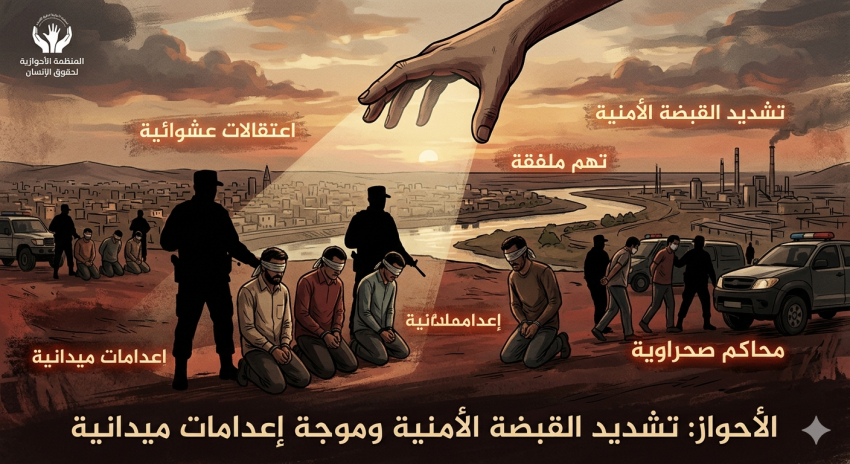
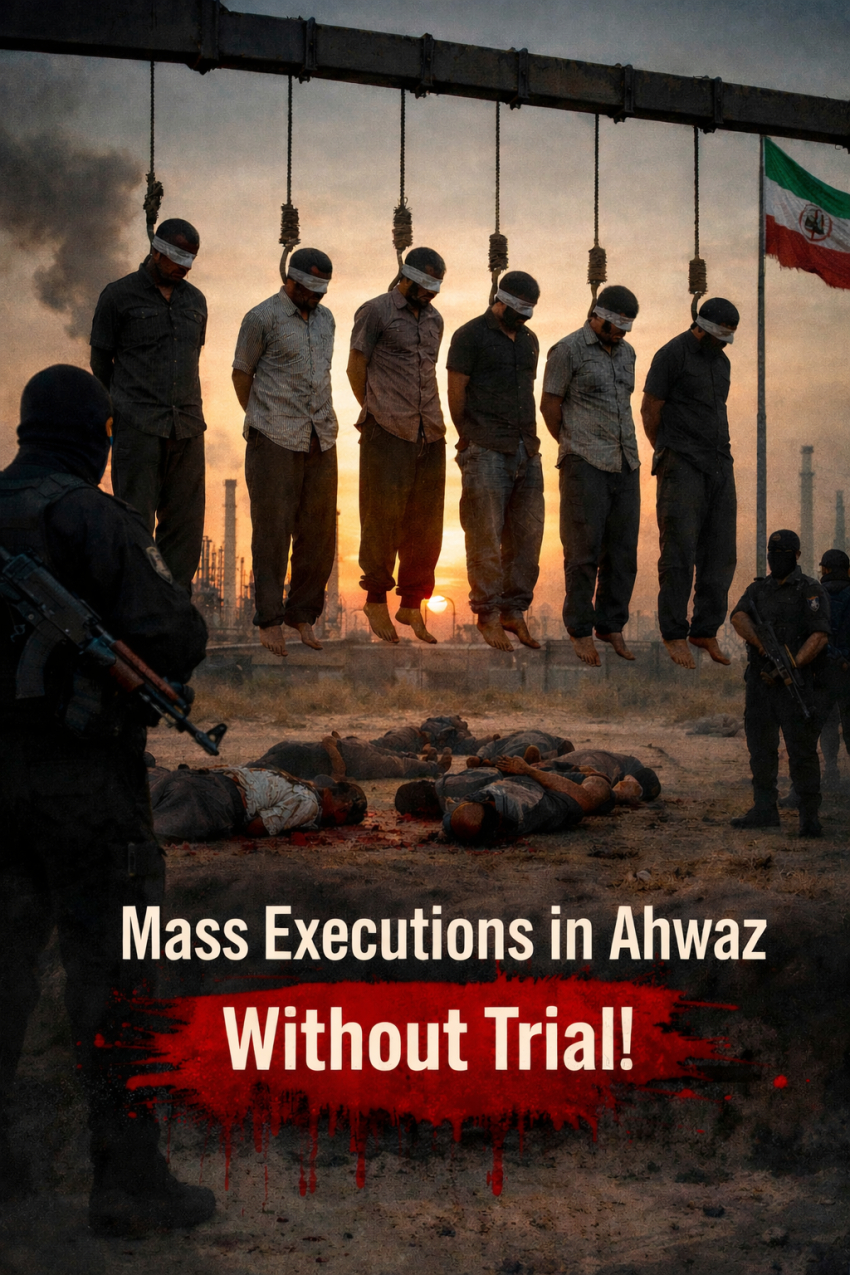
The law applies the death penalty to offenses such as “attempts against the security of the state,” “outrage against high-ranking officials,” “enmity towards God” (moharebeh), “corruption on earth” (fisad fil-arz), and “insults against the memory of Imam Khomeini and against the supreme leader of the Islamic Republic.” Prosecutors frequently used moharebeh as a criminal charge against political dissidents and journalists, referring to struggling against the precepts of Islam and against the state that upholds those precepts. On December 8, the international NGO Amnesty International (AI) reported that authorities had executed four members of the country’s Ahwazi Arab minority – Abdulreza Amir Khanafereh, Ghazi Abbasi, Abdulamir Mojdami, and Jasem Moghaddampanah – for charges including moharebeh and fisad fil-arz in relation to their alleged roles in a series of shootings that led to the deaths of a police officer and a soldier. The Supreme Court upheld the men’s death sentences, despite reports that the Ahwaz Revolutionary Court convicted and sentenced them based on confessions obtained by torture in a trial at which the men were denied legal representation. According to the IHRDC, officials executed at least 27 persons during the year for charges that included moharebeh.

While the law does not stipulate the death penalty for apostasy, courts handed down such punishment in prior years based on their interpretation of fatwas (legal opinions or decrees handed down by an Islamic religious leader). No death sentences for apostasy were reported during the year.

On October 23, Ahmed Shaheed, the UN special rapporteur on the situation of human rights in Iran, reported that the updated penal code continued to consider adultery, drug trafficking, same-sex sexual acts, recidivist alcohol consumption, and insulting Islamic prophets all to be capital offenses.

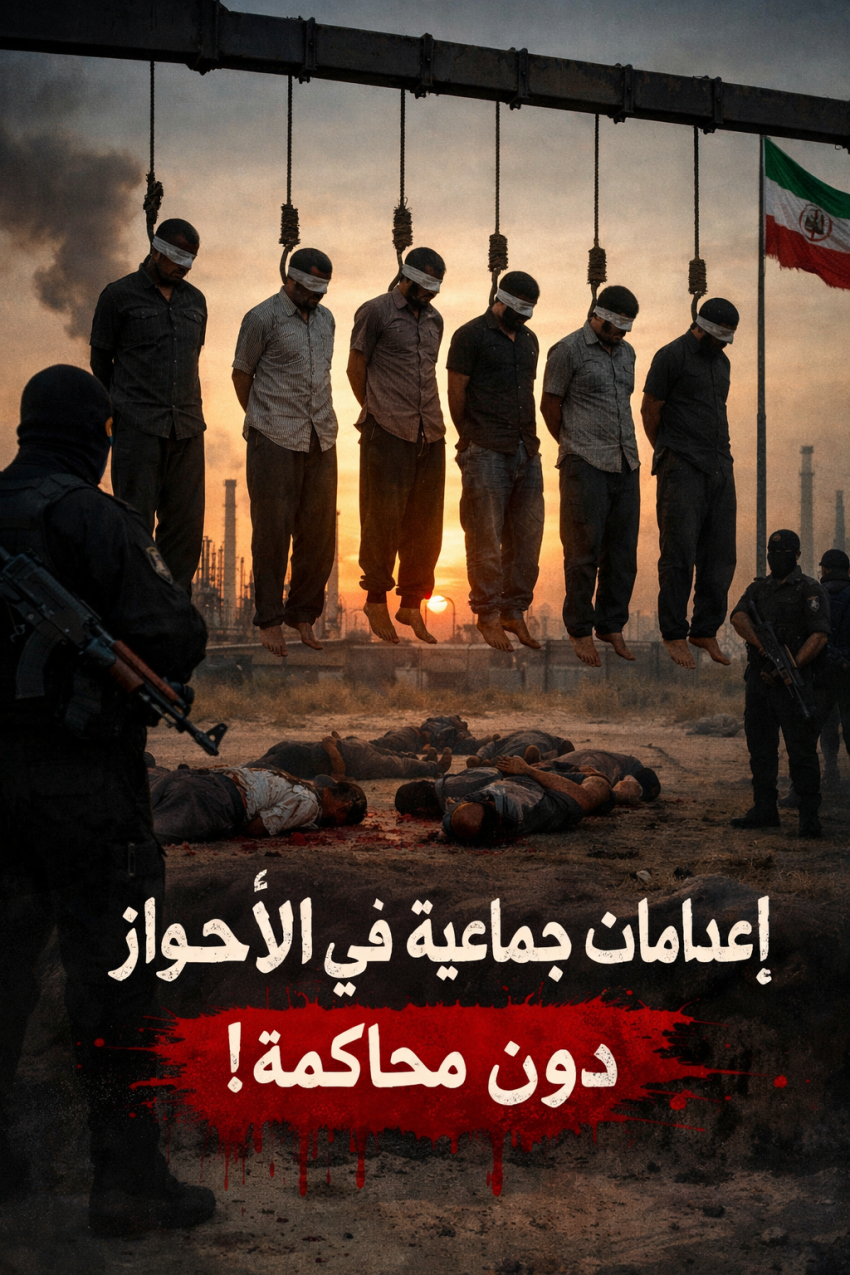
According to an October 8 statement by the ICHRI, authorities conducted more than 50 executions in public. Authorities also conducted group executions on several occasions. HRW and other rights groups reported that on October 26, the government executed 16 Zahedan Prison inmates in what officials stated was retaliation for the killings of 14 border guards along the border with Pakistan the previous day. Public prosecutor Mohammad Marziyeh stated that the 16 inmates, who were in prison during the attack on the border guards, were tied to groups “hostile to the regime.”

On October 23, the UN special rapporteur reported that the updated penal code continued to allow for the execution of juvenile offenders. On January 16, the government executed 21-year-old Ali Naderi, who was sentenced to death for participation in a robbery-murder committed when he was 17.

The Human Rights Activists News Agency (HRANA), a press association of activists, reported that authorities executed Kurdish political prisoners Habibollah Golparipour and Reza Esmaili on October 26 at Uremia Prison and Salmas Prison, respectively, and provided no prior notifications to their families. Security forces arrested Golparipour and Esmaili separately in 2009, and authorities charged both with moharebeh and membership in the Party of Free Life of Kurdistan. Esmaili’s relatives reportedly observed clear signs of beating when they exhumed his body, which security forces had buried in the prison’s cemetery.

There were reports of prisoner suicides in response to adverse prison conditions. According to a July 8 report by the HRANA, Basme Aljaburi committed suicide on July 1 in the women’s ward at Evin Prison after being interrogated in the ward by an intelligence official. Aljaburi had been sentenced to five years in prison on espionage charges.

Adultery remained punishable by death by stoning. According to a June 3 HRW report, authorities held at least 10 women and men who faced possible execution by stoning on adultery charges. There were no confirmed reports of death by stoning during the year, although a human rights lawyer who had represented five people sentenced to stoning reported that authorities typically carried out the sentence secretly in prisons or remote areas.

There were developments in the investigation of the November 2012 death of blogger Sattar Beheshti while he was in custody in Evin Prison. Although the state coroner ruled that Beheshti’s death was due to natural causes, a letter signed by 41 Evin prisoners that testified to his having been tortured led to an investigation. On October 10, the ICHRI reported that Branch 1057 of the Tehran Penal Court had indicted one of Beheshti’s interrogators for “quasi-intentional murder.” On November 11, the ICHRI reported that Beheshti’s lawyer had obtained access to a report from the medical examiner’s office stating that Beheshti died from internal bleeding after suffering hemorrhaging in his lungs, liver, kidneys, and brain. After repeated objections by his lawyer to the charge, the interrogator’s case was returned to Shahriar Investigative Court for a final determination of whether Beheshti’s death was “quasi-intentional murder” or “intentional murder.” On December 4, the proreform newspaper Shargh reported that a court rejected a premeditated murder charge but that a manslaughter charge remained pending against the officer at year’s end.

b. Disappearance

There were reports of politically motivated abductions during the year. Plainclothes officials often seized journalists and activists without warning, and government officials refused to acknowledge custody or provide information on those taken. In other cases authorities detained persons incommunicado before permitting them to contact family members.

For example, on July 3, HRANA reported that plainclothes officials had arrested Azeri activists Majid Sefidani, Bahram Akhouninejad, and Naser Kazempour and taken them to an unknown location, noting that their families had received no news about their condition. On September 23, the HRANA reported that Branch 1 of the Tabriz Revolutionary Court had sentenced Sefidani to six months’ imprisonment and Kazempour and Akhouninejad to 100 days’ imprisonment each, all on charges of “propagating against the system.”

There were developments in several cases from previous years. The international NGO Committee to Protect Journalists (CPJ) reported on May 8 that Massoud Lavasani, a journalist who had disappeared in 2012 following previous imprisonment on charges of “propagating against the system,” had escaped from the country. On January 12, unknown individuals on motorcycles reportedly attacked Lavasani’s wife, journalist Fatemeh Kheradmand, as she walked on a Tehran street with her young son. The CPJ later reported that on July 3, a judge sentenced Kheradmand to one year in prison on the charge of "propaganda against the system" through working for Ghalam-e Sabz internet magazine. Kheradmand appealed the judgment and was free reportedly awaiting a final verdict at year’s end.

On March 18, the domestic human rights organization Committee of Human Rights Reporters (CHRR) reported that activist and blogger Kouhyar Goudarzi had fled the country. Authorities had reportedly detained Goudarzi in 2011 and held him incommunicado for more than two months. Branch 54 of the Revolutionary Court sentenced Goudarzi in March 2012 to five years in prison and forced internal exile to Zabol on the charge of “propaganda against the system” and reconfirmed the sentence in September 2012, leaving Goudarzi free on bail.

c. Torture and Other Cruel, Inhuman, or Degrading Treatment or Punishment

The constitution prohibits all forms of torture “for the purpose of extracting confession or acquiring information,” but there were several credible reports that security forces and prison personnel tortured and abused detainees and prisoners. On October 23, the UN special rapporteur cited allegations that members of religious minority communities, including Baha’is and Sufis, faced torture while in detention.

Common methods of torture and abuse in prisons included prolonged solitary confinement, rape, sexual humiliation, threats of execution, sleep deprivation, and severe and repeated beatings. There were reports of severe overcrowding in many prisons and repeated denials of medical care for prisoners.

Some prison facilities, including Evin Prison in Tehran, were notorious for cruel and prolonged torture of political opponents of the government. Authorities also allegedly maintained unofficial secret prisons and detention centers outside the national prison system where abuse reportedly occurred. The government reportedly used “white torture,” a type of psychological torture that includes extreme sensory deprivation and isolation, especially on political prisoners and often in detention centers outside the control of prison authorities, including Ward 209 of Evin Prison, which news organizations and human rights groups reported was under the control of the country’s intelligence services.

On June 28, the HRANA reported that student activist Arash Mohammadi finished a hunger strike he began on June 17 to protest his assault and torture while in custody in Tabriz Prison. Security forces had arrested Mohammadi on June 15 on charges of “propaganda against the system” and conspiracy against national security during a celebration following Hassan Rouhani’s presidential election victory. Mohammadi’s lawyer, Naghi Mahmoudi, said that Mohammadi’s physical health quickly deteriorated as a result of severe torture during his interrogation. On September 28, an East Azerbaijan provincial appeals court upheld Mohammadi’s six-month prison sentence. He remained in prison in Tabriz at year’s end.

The government defended its use of flogging and amputation as “punishment,” not torture. Judicially sanctioned corporal punishment included lashings and, for offenses involving multiple thefts, amputations. On October 23, the UN special rapporteur noted reports about limb amputations for the crime of theft and reports about the flogging of 123 persons between July 2012 and June 30, 2013, for such crimes as “sedition,” “acts incompatible with chastity,” drinking alcohol, “illicit” relationships, and nonpenetrative same-sex sexual activity. On January 27, the HRANA reported that authorities amputated four fingers of an inmate of Sari Prison who had been sentenced for multiple robberies.

There were developments in cases of reported torture from previous years. On September 12, the HRANA reported that Hashem Shabaninejad and Hadi Rashedi were in critical condition after both endured several weeks of physical and psychological torture while in Ministry of Intelligence and Security (MOIS) custody that left Rashedi with intestinal occlusion and Shabaninejad with three broken teeth. In August 2012 Rashedi and Shabaninejad were among five ethnic Arab death row inmates in Karun Prison whom the IHRDC reported were tortured while in MOIS custody, leaving Rashedi with a broken pelvis and Shabaninejad in a coma.

Prison and Detention Center Conditions

Prison conditions were reportedly often harsh and life threatening. There were reports that some prisoners committed suicide as a result of the harsh conditions, solitary confinement, and torture to which they were subjected. Prison authorities often refused medical treatment for injuries prisoners reportedly suffered at the hands of their abusers and from the poor sanitary conditions of prison life. Prisoner hunger strikes in protest of their treatment were common. Prisoners and their families often wrote letters to authorities and, in some cases, to UN bodies to highlight and protest their treatment. The July 31 annual report of the UN high commissioner for human rights noted cases in which authorities subjected prisoners to torture, threats, and solitary confinement after charging them with contacting the Office of the Special Rapporteur.

Physical Conditions: The University of Essex-affiliated International Centre for Prison Studies (ICPS) estimated the country’s total prison population at 217,000, based on government data from December 2012, with approximately 26 percent of the population composed of pretrial detainees. The ICPS reported the official prison capacity as 113,000. In July 2012 the media reported that Prisons Organization head Gholamhossein Esmaili claimed that some prisons held as many as six times the number of inmates they were designed to hold. The prison population appeared to have stabilized during the year. In 2012 activists and NGOs noted a dramatic increase in the prison population, 35 percent more than in the previous three years, due largely to increased prosecution of drug-related crimes. Overcrowding reportedly forced many prisoners to sleep on floors, in hallways, or in prison yards.

There were reports of juvenile offenders detained with adult offenders. Pretrial detainees occasionally were held with convicted prisoners. Women were held separately from men.

Political prisoners were often held in separate prisons or wards – such as wards 2A, 209, 240, and 350 of Evin Prison and Ward 8 of Gohardasht Prison, known as the Islamic Revolutionary Guard Corps (IRGC) ward – or in solitary confinement for long periods of time. Human rights activists and the international media also reported cases of political prisoners confined with accused violent criminals. On October 23, AI reported that authorities at Ghezel Hesar Prison in Karaj had denied medical leave to jailed blogger Mohammad Reza Pourshajari against the advice of prison doctors. AI noted that Pourshajari had suffered two heart attacks while in prison, most recently in February, after which he had been moved to a hospital for five days, and that he required treatment for blocked arteries. AI also reported that prison officials had told Pourshajari they would no longer provide medicine to treat his diagnosed high blood sugar. During the year several prisoners, especially political prisoners, went on hunger strikes to protest prison conditions. The health of some prisoners on hunger strikes deteriorated quickly, but authorities did not respond quickly with medical help.

Numerous human rights NGOs and opposition websites reported on poor prison conditions and mistreatment of prisoners. Branch 26 of the Tehran Revolutionary Court sentenced a dual-citizen Christian pastor to eight years in prison on January 27 on charges of undermining national security through house-church activities. Authorities had held the pastor since September 2012 in Evin Prison, where international civil rights groups reported that prison officials subjected him to physical and psychological abuse and deprived him of medical treatment. On November 3, authorities transferred the pastor to Rajaie Shahr Prison where, according to international civil rights groups, other inmates threatened him with violence and prison officials denied him medical treatment.

In an interview published July 19 by the human rights NGO Abdorrahman Boroumand Foundation, the mother of Omid Kokabee, a postdoctoral student arrested in 2011 during a return visit to the country from his studies overseas and subsequently sentenced on charges including “communicating with a hostile government,” said that Kokabee’s physical health had deteriorated; that he suffered from renal, digestive, and dental problems; and that he had lost considerable weight.

Administration: Recordkeeping on prisoners was inadequate, and no official public statistics on the country’s prison population were available during the year. There were no reports of any steps taken to improve recordkeeping, whether the penal system employed prison ombudspersons to respond to complaints, or if authorities used alternative sentencing for nonviolent offenders.

Authorities mixed violent and nonviolent offender populations. Prisoners generally had access to visitors weekly, but this privilege was often revoked along with telephone and other correspondence privileges. It was not known whether prisoners could practice religions other than Islam while incarcerated. Prisoners were able to submit complaints to judicial authorities, but often faced censorship and retribution for doing so. Authorities did not initiate credible investigations into allegations of inhumane conditions. Families of executed prisoners did not always receive notification of their deaths.

Independent Monitoring: The government did not permit monitoring of prison conditions by independent observers, including UN bodies or special rapporteurs.

d. Arbitrary Arrest or Detention

Although the constitution prohibits arbitrary arrest and detention, these occurred frequently during the year.

Role of the Police and Security Apparatus

Several agencies shared responsibility for law enforcement and maintaining order, including the MOIS, law enforcement forces under the Interior Ministry, and the IRGC, which reported to the supreme leader. The Basij, a volunteer paramilitary group with local organizations in cities and towns across the country, sometimes acted as an auxiliary law enforcement unit subordinate to IRGC ground forces. Basij units often engaged in crackdowns on political opposition elements without formal guidance or supervision from superiors.

The security forces were not considered fully effective in combating crime, and corruption and impunity remained problems. Human rights groups frequently accused regular and paramilitary security forces, such as the Basij, of committing numerous human rights abuses, including acts of violence against protesters and public demonstrations. There was no transparent mechanism to investigate or punish security force abuses, and there were no reports of government actions to discipline abusers.

Arrest Procedures and Treatment of Detainees

The constitution and penal code require a warrant or subpoena for an arrest and state that an arrested person must be informed of charges within 24 hours. Authorities often violated these procedures by holding some detainees, at times incommunicado, for weeks or months without charge or trial, frequently denying contact with family or timely access to legal representation. By law the state is obligated to provide indigent defendants with attorneys only for certain types of crimes. The courts set prohibitively high bail, even for lesser crimes, and in many cases courts did not set bail. Authorities often compelled detainees and their families to submit property deeds to post bail. Persons released on bail did not always know how long their property would be retained or when their trials would be held, which effectively silenced them for fear of losing their families’ property.

The government placed persons under house arrest without due process to restrict their movement and communication. At year’s end former presidential candidates Mehdi Karroubi and Mir Hossein Mousavi and Mousavi’s wife, Zahra Rahnavard, remained under house arrest imposed in 2011. Security forces restricted their access to visitors and limited their access to outside information. Both Karroubi and Mousavi reportedly suffered from serious health problems during the year but were sometimes denied adequate medical care.

Arbitrary Arrest: Authorities commonly used arbitrary arrests to impede alleged antiregime activities. Plainclothes officers often arrived unannounced at homes or offices, arrested persons, conducted raids, and confiscated private documents, passports, computers, electronic media, and other personal items without warrants or other assurances of due process. Individuals often remained in detention facilities for long periods without charges or trials and were sometimes prevented from informing others of their whereabouts for several days. Authorities often denied detainees access to legal counsel during this period and imposed travel bans on individuals if they were released pending trial.

According to the CHRR, security agents arrested activist blogger Reza Akvanian on March 24 in the middle of the night. Authorities held Akvanian incommunicado for two weeks before allowing visitation with his family, who reported that Akvanian showed bruising and other signs of beatings. The CHRR reported that Judge Tahmasabi of Branch 1 of the Yasuj Revolutionary Court sentenced Akvanian to one year in prison and a five-year suspended sentence on the charges of “insulting the supreme leader and the president through blog content” and “associating with outsiders by sharing news reports.”

Pretrial Detention: Pretrial detention was often arbitrarily lengthy, particularly in cases involving alleged violations of national security laws. Approximately 26 percent of prisoners held in state prison facilities were reportedly pretrial detainees. According to HRW, a judge may prolong detention at his discretion, and pretrial detention often lasted for months. Often pretrial detainees were held in custody with the general prison population.

The ICHRI reported that intelligence agents arrested blogger Kaveh Taheri in September 2012 and that authorities held him for more than four months without trial, including 52 days in an MOIS detention center known as Number 100, before transferring him to Adelabad Prison in Shiraz. According to a May 30 HRANA report, Judge Mahmoud Sadati of Branch 1 of the revolutionary court sentenced Taheri to three years in prison on the charges of insulting the supreme leader and “propaganda against the system.”

There was a development in a previous year’s case. According to a July 13 report by Sufi news website Majzooban Noor, in July Branch 15 of the Tehran Revolutionary Court sentenced Omid Behroozi, a human rights lawyer who had been in pretrial detention at Evin Prison since 2011, to seven-and-one-half years in prison.

Amnesty: On September 23, judiciary spokesman Mohseni Ejei announced that authorities had pardoned 80 prisoners but did not name the prisoners or specify a timetable for their releases.

e. Denial of Fair Public Trial

The constitution provides that the judiciary be “an independent power” that is “free from every kind of unhealthy relation and connection.” The court system was subject to political influence, and judges were appointed “in accordance with religious criteria.” The supreme leader appoints the head of the judiciary, and the heads of the judiciary, the Supreme Court, and the prosecutor general were clerics. International observers continued to criticize the lack of independence of the country’s judicial system and judges and maintained that trials disregarded international standards of fairness.

Trial Procedures

According to the constitution and criminal procedure code, a defendant has the right to a fair trial, a presumption of innocence, a lawyer of his or her choice, and the right of appeal in most cases that involve major penalties. These rights were not respected. Panels of judges adjudicate trials; there is no jury system in the civil and criminal courts. Human rights activists reported trials in which authorities appeared to have determined the rulings in advance and defendants did not have the opportunity to confront their accusers or have access to government-held evidence.

The government often charged political dissidents with vague crimes, such as “antirevolutionary behavior,” “moral corruption,” “siding with global arrogance,” “enmity towards God” (moharebeh), and “crimes against Islam.” Prosecutors imposed strict penalties on government critics for minor violations. When postrevolutionary statutes did not address a situation, the government advised judges to give precedence to their knowledge and interpretation of Islamic law (sharia). Under sharia judges may find a person guilty based on their own “divine knowledge,” or they may issue more lenient sentences for persons who kill others considered “deserving of death,” meaning that the victim was believed to have done something serious and contrary to sharia. Other trials were designed to publicize coerced confessions.

During the year human rights groups noted the absence of procedural safeguards in criminal trials. Courts admitted as evidence confessions that were made under duress or torture. According to an April 11 report by AI, many confessions were coerced.

A dual citizen held in Evin Prison since 2011 and whose “confession” was broadcast by state media during the same year remained in prison at year’s end. His legal status remained uncertain at year’s end despite the Supreme Court’s remand of his case to a lower court in March 2012.

Numerous human rights groups continued to question the legitimacy and secrecy of the Special Clerical Court, which is headed by a Shia Islamic legal scholar and overseen by the supreme leader. The constitution does not provide for the court, which operates outside the judiciary’s purview. The court is charged with investigating alleged offenses committed by clerics and issuing rulings based on independent interpretation of Islamic legal sources. Critics alleged that clerical courts were used to control non-Shia clerics as well as to prosecute Shia clerics who expressed controversial ideas and participated in activities outside the sphere of religion, such as journalism or reformist political activities.

On September 2, journalist collective IranWire reported that the Special Clerical Court in Tabriz sentenced Sunni cleric Abdolsalam Golnavaz to six years in prison and permanently barred him from wearing clerical clothing on charges of “criticizing authorities in Kurdistan Province as a means of incitement” and “propagating Sunni views aimed at creating sectarian conflict.”

There were developments in the 2012 case of dissident cleric Arash Honarvar Shojaee. On September 11, the ICHRI reported that Shojaee said the judiciary had added an additional charge against him of “insulting the founder of the Islamic Republic,” for which he was sentenced to one additional year in prison, for interviews he gave in 2012 to the Nationalist-Religious and Rasam websites in which he described former Supreme Leader Khomeini’s conduct as “populist.” Shojaee was arrested in 2010 and sentenced by the Special Clerical Court to four years in prison, 50 lashes, and defrocking on charges of espionage, “disrespecting the clergy,” and “acting against national security.” He was held in the Special Clerics Ward (Ward 325) at Evin Prison at year’s end.

Political Prisoners and Detainees

Statistics regarding the number of citizens imprisoned for their political beliefs were not available. The ICHRI estimated there were 500 political prisoners in the country, including those arbitrarily detained for peaceful activities or the exercise of free expression. Other human rights activists estimated there could be more than 1,000 prisoners of conscience, including those jailed for their religious beliefs.

On September 19, the democracy promotion organization Freedom House reported that an estimated 800 dissidents, including journalists, human rights defenders, and political activists, were imprisoned in the country. The CPJ listed 35 journalists imprisoned as of December 1. The ICHRI reported on August 21 that at least 29 students remained in prison on charges related to their political activities and that several of the students had not been allowed any furlough despite a legal furlough requirement.

During the year the government arrested students, journalists, lawyers, political activists, women’s activists, artists, and members of religious minorities (see sections 1.a. through 1.e., 6, and 7.a.); charged many with crimes, such as “propaganda against the system” and “insulting the supreme leader;” and treated such cases as national security trials. According to opposition press reports, the government also arrested, convicted, and executed persons on criminal charges, such as drug trafficking, when their actual offenses were political. The government reportedly held some persons in prison for years on baseless charges of sympathizing with alleged terrorist groups. Authorities often held political prisoners in solitary confinement for extended periods, denying them due process and access to legal representation. Political prisoners were also at greater risk of torture and abuse in detention. The government often placed political prisoners in prisons far from their homes and families. The government did not permit international humanitarian organizations or UN representatives to have access to political prisoners.

The opposition website Kaleme reported that on December 5, IRGC officers arrested at least five bloggers who had covered the opposition Green Movement: Masoud Ghasemkhani, Fariborz Kardar, Roya Irani, Seyed Masoud Seyed Talebi, and Amir Golestani. All five were held in Evin Prison at year’s end.

There were developments in previous cases. After detention and banning from further university studies, student activist Peyman Aref was detained for three days while security officials searched his house and confiscated his laptop, according to an April 25 HRANA report. On September 25, the HRANA reported that authorities summoned Aref to the prosecutor’s office at Evin Prison on charges of conspiring against national security due to his meeting with several political figures. He was reportedly free on bail at year’s end.

On May 5, domestic media reported that a court had granted a motion for delay in the trial of Mehdi Hashemi, former president Ali Akbar Rafsanjani’s son. On January 10, a Tehran prosecutor announced on the Tehran Revolutionary Court website that the court had indicted Hashemi on 12 charges. The announcement did not specify the charges, but domestic media claimed the charges included fomenting unrest after the country’s 2009 election. Authorities arrested Hashemi when he returned to the country in September 2012 after three years overseas and released him on bail in December 2012. He remained out of prison at year’s end.

On September 3, the ICHRI reported that authorities transferred blogger Hossein Ronaghi Maleki to Shahid Modarres Hospital on August 28, when his health deteriorated due to a hunger strike he began on August 8 to protest his conditions in Ward 350 of Evin Prison. Maleki had conducted a separate hunger strike in 2012 to protest officials’ refusal to grant him medical leave after he returned to prison two days after a kidney operation to treat injuries reportedly sustained during interrogation. He remained in prison at year’s end.

On December 19, an associate of dissident cleric and regime critic Ayatollah Hossein Kazemeini Boroujerdi reported that Boroujerdi continued to suffer from poor health and harsh prison conditions while being denied medical care. The associate further reported that authorities subjected Boroujerdi to torture and threatened his family to compel him to write a letter saying he did not wish to meet with visiting European representatives. In October 2012 Boroujerdi was allegedly poisoned by unnamed fellow prisoners, leaving him in critical condition. Boroujerdi, who advocated the separation of religion and government, was arrested in 2006.

The ICHRI reported on March 28 that a Tehran court had ruled the 2011 death of women’s rights activist Haleh Sahabi was due to natural causes. The ICHRI report cited an interview in which Sahabi’s husband said the court refused to review film of an incident that allegedly led to Sahabi’s death, despite the testimonies of four witnesses who saw someone strike Sahabi after she had been assaulted by security officials.

Authorities occasionally gave political prisoners suspended sentences or released them for short or extended furloughs prior to completion of their sentences, but could order them to return to prison at any time. Suspended sentences were used to intimidate and silence individuals. The government also controlled political activists by temporarily suspending baseless court proceedings against them and allowing authorities to rearrest them. Furthermore, the government attempted to intimidate activists by calling them in repeatedly for questioning. The government issued travel bans on some former political prisoners and imposed forced internal exile on others.

Authorities released 16 political prisoners on September 18, including prominent human rights attorney Nasrin Sotoudeh, whose 11-year prison sentence issued in 2011 was shortened to six years on appeal. Sotoudeh remained under a travel ban at year’s end. According to the IHRDC, others released on September 18 included former deputy foreign minister Mohsen Aminzadeh, journalist Mahsa Amrabadi, and women’s rights activist Mahboubeh Karimi. The IHRDC reported that other than Sotoudeh, most of the 16 individuals were already approaching the ends of their sentences at the time of their release. By year’s end, the IHRDC confirmed the release of at least 44 political prisoners on or after September 18.

Authorities released journalist Isa Saharkhiz on October 3, two months before the end of his sentence. According to AI Saharkhiz was arrested in 2009 and charged with “insulting the leadership” and “propaganda against the system.” He was sentenced in 2010 to three years in prison and in 2011 was given an additional two-year sentence that was later reduced to a year and a half.

Civil Judicial Procedures and Remedies

According to the constitution, the Court of Administrative Justice, under the supervision of the head of the judiciary, investigates citizens’ grievances regarding government officials, organs, and statutes. Citizens had limited ability to sue the government and were not able to bring lawsuits against the government for civil or human rights violations. Dispute resolution councils were available to settle minor civil and criminal cases through mediation before referral to courts.

Property Restitution

The constitution allows the government to confiscate property acquired illicitly or in a manner not in conformity with Islamic law. The government appeared to target religious minorities in invoking this provision. There were several reports during the year of authorities seizing the property of members of the Sunni, Baha’i, and Sufi minority communities.

f. Arbitrary Interference with Privacy, Family, Home, or Correspondence

The constitution states that “reputation, life, property, [and] dwelling[s]” are protected from trespass, except as “provided by law,” but the government routinely infringed on this right. Security forces monitored the social activities of citizens, entered homes and offices, monitored telephone conversations and internet communications, and opened mail without court authorization. There were widespread reports that government agents entered, searched, and ransacked the homes and offices of reformist or opposition leaders, activists, political prisoners, journalists, and their families to intimidate them.

The CPJ reported on January 28 that security officials raided the offices of newspapers Bahar, Shargh, Arman, Etemad, and Aseman on January 26-27. The CHRR reported that officials arrested 18 journalists in their offices or homes: Milad Fadai Asl, Ali Dehghan, Pouria Alemi, Pejman Mousavi, Fatemeh Sagharchi, Kayvan Mehregan, Soleiman Mohammadi, Emily Amraee, Sassan Aghaee, Nasrin Takhayori, Javad Daliri, Akbar Montajebi, Reyhaneh Tabatabaee, Hossein Yaghchi, Motahareh Shafiee, Narges Joudaki, Ehsan Mazandarani, and Saba Azarpeik. According to the CPJ, the semiofficial Fars News Agency reported that the journalists were arrested for cooperating with “antirevolutionary media.” Authorities released all 18 journalists on bail shortly after their arrests, and they remained free on bail at year’s end.

Authorities continued their harassment of the children of Green Movement leaders Mehdi Karroubi and Mir Hossein Mousavi. On February 11, the BBC reported that security officials arrested Mousavi’s daughters, Zahra and Narges, and searched their homes before releasing them later the same day. According to HRW, authorities also arrested Karroubi’s son, Mohammad Hossein, on February 11, and reportedly released him later that day. On October 24, Narges Mousavi wrote on Facebook that security guards had assaulted Zahra and her during a visit to their parents earlier that day.

Section 2. Respect for Civil Liberties, Including

a. Freedom of Speech and Press

The constitution provides for freedom of expression and of the press, except when words are deemed “detrimental to the fundamental principles of Islam or the rights of the public.” The law states that anyone who undertakes any form of propaganda against the state may be imprisoned for as long as one year; the law does not define “propaganda.” The law also provides for prosecution of persons accused of instigating crimes against the state or national security or “insulting” Islam; the latter offense is punishable by death. The government severely restricted freedom of speech and press, and it used the law to intimidate or prosecute persons who directly criticized the government or raised human rights issues. According to the CPJ, the government continued a campaign of press intimidation throughout the year.

Freedom of Speech: The law limited freedom of speech, including by members of the press. Individuals were not permitted to criticize publicly the country’s system of government, supreme leader, or official religion. Security forces and the country’s judiciary punished those who violated these restrictions, and often punished as well persons who publicly criticized the president, the cabinet, and the Islamic Consultative Assembly. The government monitored meetings, movements, and communications of opposition members, reformists, activists, and human rights defenders. It often charged persons with crimes against national security and insulting the regime based on letters, e-mails, and other public and private communications. During the year there were cases of the government increasing prison sentences for prisoners who wrote open letters criticizing their treatment or other government practices.

For example, on February 20, a judge in Branch 15 of the revolutionary court sentenced imprisoned lawyer and Defenders of Human Rights Center (DHRC) founding member Mohammad Seifzadeh to an additional six years’ imprisonment for “collusion against national security” and “spreading propaganda against the system” in connection with a 2011 open letter that Seifzadeh wrote to former president Khatami criticizing the country’s judicial system. On September 29, opposition news website Kaleme published a letter from Seifzadeh advising that a Branch 54 appellate court judge upheld his sentence.

Blogger Abbas Khosravi Faresani remained free on bail at year’s end pending trial. According to the CPJ, officers arrested Faresani in June 2012 and tortured him to force him to confess to “acting against national security,” “publishing lies,” “insulting the supreme leader,” and “membership in organizations related to Israel.”

There were developments in cases from previous years. On March 19, authorities released from prison Faezeh Hashemi Rafsanjani, the daughter of former president Rafsanjani and an outspoken political and women’s rights activist, after she completed her six-month sentence for “propaganda against the system.” She remained subject to a five-year ban on political and press activities. On May 15, according to the ICHRI, authorities released from prison Fariborz Rais-Dana after he completed his one-year prison sentence for “propaganda against the system” in connection with a 2010 interview with the BBC Persian service.

Press Freedoms: The government’s Press Supervisory Board issues press licenses, which it sometimes revoked in response to articles critical of the government or the regime. During the year the government banned, blocked, closed, or censored publications that were deemed critical of officials. The government did not permit foreign media organizations to film or take photographs in the country, required foreign correspondents to provide detailed travel plans and topics of proposed stories before granting visas, and attempted to influence correspondents through pressure. Islamic Republic of Iran Broadcasting (IRIB), the main governmental agency in charge of audiovisual policy, directed all state-owned media. Under the constitution the supreme leader appoints the head of IRIB, and a council composed of representatives of the president, judiciary, and Islamic Consultative Assembly oversees IRIB’s activities. The Ministry of Culture and Islamic Guidance reviews all potential publications, including foreign printed materials, prior to their domestic release and may deem books unpublishable, remove text, or require word substitution for terms deemed inappropriate.

Independent print media companies existed, but the government severely limited their operations. It closed or prohibited opposition and reformist newspapers, intimidated and arrested journalists, and censored news. Government-controlled print media was also subject to censorship and temporary closures for allegedly insulting the regime.

On October 28, according to domestic and international media, the country’s press supervisory board banned the reformist daily newspaper Bahar after it published an opinion article questioning whether the Prophet Muhammad had appointed Imam Ali his successor, one of Shia Islam’s principal beliefs. It remained banned at year’s end.

There were developments in previous years’ cases. The reformist newspaper Shargh resumed publication after a jury lifted a ban and acquitted its editor in December 2012. Ali-Akbar Javanfekr, a media adviser to former president Ahmadinejad and Iran newspaper manager, was free from prison at year’s end. In September 2012, Javanfekr began serving a six-month prison sentence he was issued in 2011 for “publishing materials contrary to Islamic norms” in connection with an article he wrote questioning the origins of aspects of the country’s women’s dress code.

Under the constitution private broadcasting is illegal. The government maintained a monopoly over all television and radio broadcasting facilities through the state-controlled IRIB. Radio and television programming, which was the principal source of news for many citizens (especially in rural areas where internet access was limited), reflected the government’s political and socioreligious ideology. There was some evidence that the government had stopped jamming foreign media by year’s end. Satellite dishes remained illegal but ubiquitous, although police intensified their campaign to confiscate satellite dishes around the country.

Violence and Harassment: The government and its agents harassed, detained, abused, and prosecuted publishers, editors, and journalists, including those involved in internet-based media, for their reporting (see also section 1.e.). The government also harassed many journalists’ families, and journalists in prison were often subjected to solitary confinement. According to the UN special rapporteur’s October report, at least 40 journalists and 29 bloggers and online activists were serving prison sentences in the country, and 23 journalists had been arrested since the start of the year. International NGOs reported that several journalists were forced into exile during the year and that authorities continued to close publications for political reasons.

On January 28, international media outlets reported that authorities had harassed and detained 11 employees of foreign media organizations for their “foreign contacts.” Domestic press reported the individuals had been picked up on a warrant from the judiciary as a result of their “cooperation with Persian-language antirevolutionary media.” In early March authorities released on bail all of the individuals they had detained except Sasan Aghaei and Nasrin Takhayori.

There were developments in previous years’ cases. On June 21, a court sentenced activist Saeed Madani to six years in prison and 10 years of internal exile in Bandar Abbas for “acting against national security” and “propaganda against the system.” He underwent surgery in July but returned to prison on July 24, where he remained at year’s end. Also in June a court gave Kurdish journalist and political activist Ehsan Houshmand a one-year suspended prison sentence for “propaganda against the system.” On July 3, journalist Fatemeh Kheradmand received a one-year prison sentence for “propaganda against the system” in connection with her work on an internet magazine. There was no further information available at year’s end regarding other journalists and bloggers arrested in early 2012, including Peyman Pakmehr, Parastoo Dokoohaki, Sahamoldin Borghani, Marzieh Rasouli, Shahram Manochehri, Hassan Fathi, Esmail Jafari, and Reza Jelodarzadeh.

In the 2011 case of Majzooban-e Noor website reporter and photojournalist Reza Entessari, on July 15, Branch 15 of the Tehran Revolutionary Court sentenced Entessari to eight years and six months in prison for “establishing an illegal group with the intent to undermine national security,” “propaganda against the system,” “insulting the leader,” and “disrupting the public order.” He remained in prison at year’s end.

Censorship or Content Restrictions: The law forbids government censorship, but it prohibits dissemination of information the government considers “damaging.” During the year the government censored publications – both reformist and conservative – that criticized official actions or contradicted official views or versions of events. “Damaging” information included discussions of women’s rights, the situation of minorities, and criticism of government economic policy. Officials routinely intimidated journalists into practicing self-censorship. Public officials often filed criminal complaints against reformist newspapers, and the Press Supervisory Board referred such complaints to the Media Court for further action, including closure and fines. Court proceedings were public with a jury composed of appointed clerics, government officials, and editors of government-controlled newspapers.

The Ministry of Culture and Islamic Guidance’s censorship bars inappropriate content, including that pertaining to alcohol or describing physical contact between an unmarried woman and man.

NGOs reported that censorship increased in advance of the country’s June 14 presidential election. On April 30, the NGO Reporters Without Borders advised that the Ministry of Intelligence and National Security had summoned the editors of the country’s nationwide publications to inform them of election coverage “red lines.”

Libel Laws/National Security: The government commonly used libel laws or cited national security to suppress criticism. According to the law, if any publication contains personal insults, libel, false statements, or criticism, the insulted individual has the right to respond in the publication within one month. If the libel, insult, or criticism involves Islam or national security, the responsible person may be charged with apostasy and crimes against national security, respectively. The government applied the law throughout the year, often citing statements made in various media outlets or internet platforms that criticized the government, to arrest, charge, and sentence individuals for crimes against national security.

On March 7, intelligence officials in Mahabad, a predominantly Kurdish city in Kurdistan Province, arrested Kurdish journalist Khosro Kordpour. On March 9, authorities arrested his brother, Massoud Kordpour, when he inquired about the reasons for his brother’s arrest. Authorities reportedly held both men in solitary confinement for four months in Urmia, a city near the Turkish border, before transferring them to a prison in Mahabad. According to its response to the UN special rapporteur, the government accused the brothers of cooperating with terrorist groups. According to an October 24 AI report, evidence against the brothers was based on MOIS reports and chiefly related to their activities as journalists, including giving interviews to the foreign media on the human rights situation in Kurdistan Province.

Branch 1 of the Mahabad Revolutionary Court tried Khosro and Massoud Kordpour on August 5, September 16, and October 28 on charges of “assembly and collusion against national security” and “activities against the system.” On November 10, a judge sentenced Khosro Kordpour to six years in prison and Massoud Kordpour to three and one-half years in prison. Both men remained in prison at year’s end.

There were developments in several cases from previous years. On July 13, a Tehran Revolutionary Court judge sentenced Mostafa Daneshjoo, Farshid Yadollahi, and Amir Eslami each to seven and one-half years in prison for “forming an illegal group with intent to disrupt national security” in connection with their work on the Gonabadi Dervish website Majzooban-e Noor. According to the Austrian NGO Sudwind, on August 24, Daneshjoo suffered from respiratory disease and cardiac arrhythmia, and his health was in “very critical” condition. Amir Eslami underwent stomach surgery in August, but in September authorities transferred him back to Evin Prison before the end of his assigned recovery period, according to HRANA. Daneshjoo, Yadollahi, and Eslami remained in prison at year’s end. On September 23, authorities released women’s rights activist Mahboubeh Karami from prison and suspended her three-year prison sentence for “assembling with intent to harm state security” and “spreading propaganda against the system.” She remained out of prison at year’s end.

Internet Freedom

The government restricted access to the internet. The International Telecommunication Union estimated that 26 percent of individuals used the internet during the year.

The Ministry of Culture and Islamic Guidance must approve all internet service providers. The government also requires all owners of websites and blogs in the country to register with the ministry, which, along with the Ministry of Information and Communications Technology, the MOIS, and the Tehran Public Prosecutor’s Office, composed the Committee in Charge of Determining Unauthorized Websites, the governmental organization that determines censoring criteria. The same law that applies to traditional press applies to electronic media, and the Press Supervisory Board and judiciary used the law to close websites during the year. NGOs reported that the government continued its restrictions on access to the internet during the year, especially in advance of the June 14 presidential election, as more citizens used it as a source for news and political debate. Internet traffic over mobile communication devices, including cell phones, was reportedly subject to the same restrictions as traffic operating over fixed-line connections.

Organizations, including the Basij “Cyber Council,” the Cyber Police, and the Cyber Army – which was presumed to operate under the IRGC – monitored, identified, and countered alleged cyber threats against national security. These organizations especially targeted citizens’ activities on officially banned social networking websites, such as Facebook, Twitter, YouTube, and Flickr, and reportedly harassed persons who criticized the government, including by raising sensitive social issues. The government’s cyber monitoring organizations upgraded and used sophisticated filtering technology to restrict access rapidly to newly published internet content. NGOs reported that the government attempted to block internet users’ access to technology that would circumvent government content filters. In March 2012 Supreme Leader Khamenei created by decree the Supreme Council for Cyberspace (SCC) to formulate the country’s internet policies and devise plans to regulate its use. The Committee in Charge of Determining Offensive Content, headed by the prosecutor general and judiciary, reportedly implements the council’s decisions regarding the filtering and blocking of sensitive websites.

At the same time, many individuals used banned social media regularly, particularly urban youth. Foreign Minister Mohammad Javad Zarif posted messages using a verified Twitter account. Accounts linked to Supreme Leader Khamenei and President Rouhani were also active but remained officially unverified at year’s end.

According to the UN special rapporteur’s October report, authorities reportedly announced that up to five million websites “are blocked.” Ministry of Information and Communications Technology regulations prohibit households and cybercafes from having high-speed internet access, and in January 2012 the government required cybercafes to install security cameras and to collect users’ personal information. According to domestic press reports, police inspected 352 internet cafes during one week in July and closed 67 for offering “illegal services” to youth.

The government periodically reduced internet speed to discourage downloading material. According to the UN special rapporteur, during the year and especially prior to politically sensitive dates, including the June 14 presidential election, authorities slowed internet speed and further limited access to social networking platforms, reformist or oppositionist websites, and popular e-mail servers. In the days after the Guardian Council announced the list of candidates it had selected to run in the election, internet speed reportedly dropped by more than 70 percent in what officials described as an effort to “preserve calm” in the country.

According to Freedom House’s Freedom on the Net 2013 report, the SCC announced a change in the government’s filtering practices from “uniform resource locator (URL) filtering” to “content filtering” before the election. This change effectively imposed content-based restrictions on material not previously banned. Before the election the SCC also announced a new list of cybercrimes that included encouraging people to boycott the election by publishing online content, publishing fake survey results regarding the election, and publishing content that “mocks” the election or its candidates.

The government prosecuted and punished several bloggers and webmasters for the peaceful expression of dissenting views. On April 9, blogger Mojtaba Daneshtalab began serving a six-month prison sentence for “insulting the supreme leader” in relation to a 2011 article in which Daneshtalab criticized Supreme Leader Khamanei’s suggestion to institute a parliamentary system of government. On October 6, authorities released Daneshtalab after he completed his sentence.

There were no developments in the 2011 case of journalist and blogger Siamak Ghaderi, who remained imprisoned at year’s end on a four-year sentence for “propaganda against the system” for participating in and reporting on public gatherings.

Academic Freedom and Cultural Events

The government significantly restricted academic freedom and the independence of higher education institutions. Authorities systematically targeted university campuses to suppress social and political activism by banning independent student organizations, imprisoning student activists, removing faculty, preventing students from enrolling or continuing their education based on political or religious affiliation or activism, and restricting social sciences and humanities curricula. Women were restricted from enrolling in several courses of study and faced limited program opportunities, quotas on program admission, and gender-segregated classes (see section 6, Women).

Authorities relied on university disciplinary committees to suspend, transfer, or expel students based on their social and political activism, involvement in student publications considered antiregime, or participation in student associations affiliated with reformist or oppositionist political movements. Student groups reported that a “star” system inaugurated by President Ahmadinejad in 2005 to rank politically active students was still in use. Students deemed antiregime through this system reportedly were prevented from registering for future terms. Repeated suspensions through this mechanism resulted in effectively denying the targeted students’ the ability to complete or continue their studies. Authorities expelled numerous student activists during the year for participating in political activities, including nonviolent protests. In his February 28 report, the UN special rapporteur cited statistics drawn from cases that appeared in the media that found at least 935 cases of students deprived of continuing their education for one semester or more and 41 professors expelled from universities for their political views since 2005. The rapporteur stated on October 4 that approximately 15 student rights activists were imprisoned and serving prison sentences of at least five years for peaceful advocacy of students’ rights.

Authorities continued to dismiss university professors in accordance with a policy of removing and denying tenure to secular professors and those who deviated from the government-sanctioned perspective on topics such as the situation of women, ethnic and religious minorities, drug abuse, or domestic violence. The consequent intimidation and self-censorship impaired their ability to conduct independent academic research.

The government maintained controls on cinema, music, theater, and art exhibits and censored those deemed to transgress Islamic values. Cultural creators self-censored in response.

The government censored films that authorities deemed promoted secularism, women’s rights, unethical behavior, drug abuse, violence, or alcoholism, and some domestic directors were restricted and sanctioned. On September 12, the government allowed the re-opening of the House of Cinema, the country’s cinema guild, bringing together those in the industry to promote Iranian film and protect the rights of filmmakers. The Ministry of Culture and Islamic Guidance had forced the House of Cinema to close in January 2012. Officials declared the re-opening indicated the new government’s support for the country’s film industry.

Music remained banned in all schools, and the media reported that officials continued to discourage teaching music in general. The Culture and Islamic Guidance Ministry must officially approve a song’s lyrics and music as complying with the country’s moral values, although many bands released albums without seeking such permission. Heavy metal and foreign music were considered religiously offensive, and police continued to crack down on underground concerts and music groups. The morality police arrested Amir Hossein Maghsoudloo, a popular underground singer who used the stage name Amir Tataloo, and charged him with security-related crimes, according to the December 4 reformist daily Etemad. Maghsoudloo attracted more than 570,000 fans on one of his Facebook pages.


b. Freedom of Peaceful Assembly and Association

Freedom of Assembly

The constitution permits assemblies and marches of unarmed persons “provided they do not violate the principles of Islam.” The government restricted this right and closely monitored gatherings to prevent antiregime protests. Such gatherings included public entertainment and lectures, student and women’s meetings and protests, meetings and worship services of minority religious groups, labor protests, online gatherings and networking, funeral processions, and Friday prayer gatherings. According to activists the government arbitrarily applied rules governing permits to assemble, with proregime groups rarely experiencing difficulty and groups viewed as critical of the regime experiencing harassment regardless of whether a permit was issued. The government sometimes slowed internet speeds or blocked e-mail or text messaging services to disrupt potential public gatherings or demonstrations.

There were reports that security forces disrupted demonstrations and meetings and arrested individuals who participated in such gatherings. For example, during a June 1 campaign event for presidential candidate Hassan Rouhani, attendees singing oppositionist songs and chanting for political prisoners’ release prompted plainclothes security officers to close surrounding streets and arrest at least five individuals attending the rally. In contrast to such enforcement prior to the election, security forces largely refrained from interfering when large crowds celebrated with similar songs and chants following Rouhani’s victory on June 14.

Freedom of Association

The constitution provides for the establishment of political parties, professional or political associations, and Islamic and recognized religious minority organizations, as long as such groups do not violate the principles of freedom, sovereignty, national unity, or Islamic criteria or question Islam as the basis of the country’s system of government. The government limited freedom of association through threats, intimidation, the imposition of arbitrary requirements on organizations, and the arrests of group leaders and members.

The government continued to exert significant pressure on members of human rights organizations, including the DHRC. The government also restricted groups advocating for women’s or minority groups’ rights (see section 5), recognized and unrecognized minority religious groups, trade unions, and other labor-related groups (see section 7.a.). Professional groups representing writers, journalists, and photographers monitored government restrictions, harassment, and intimidation against members of their respective professions.

c. Freedom of Religion

See the Department of State’s International Religious Freedom Report at www.state.gov/j/drl/irf/rpt/.

d. Freedom of Movement, Internally Displaced Persons, Protection of Refugees, and Stateless Persons

The constitution provides for freedom of internal movement, foreign travel, emigration, and repatriation. The government placed some restrictions on these rights. The government cooperated with the Office of the UN High Commissioner for Refugees (UNHCR) with regard to refugees from Afghanistan and Iraq.

In-country Movement: Women, especially in rural areas, sometimes faced official and unofficial harassment for traveling alone. Conservative social norms often restricted the free movement of women in rural areas outside the home or village. Women in those areas often required the supervision of a male guardian or chaperone to travel.

Refugees faced restrictions on in-country movement. According to the UN special rapporteur’s October 4 report, Afghan nationals were banned from residing in 16 of the country’s 31 provinces and in parts of 13 other provinces.

Foreign Travel: The government required exit permits for foreign travel for all citizens. Some citizens, particularly those whose skills were in demand and who were educated at government expense, had to post bond to obtain an exit permit. The government restricted foreign travel of some religious leaders, members of religious minorities, and scientists in sensitive fields. Several journalists, academics, opposition politicians, human and women’s rights activists, and artists remained subject to travel bans and passport confiscation during the year. The international press reported that on September 19, authorities confiscated film director Mohammad Rasoulof’s passport upon his arrival at a Tehran airport, preventing him from traveling to a German film festival in October to receive an award.

There were no developments in the case of journalist and human rights defender Taghi Rahmani, who fled the country in 2012 after being subjected to a travel ban. Similarly, there were no developments in the case of Masoud Shafii, the lawyer for three foreign-citizen hikers accused of entering the country illegally in 2009, who remained subject to a travel ban during the year.

Exile: Although the law does not explicitly permit external exile, judges sentenced several individuals to internal exile or imprisonment in areas far from their homes in order to prevent family visits. Many dissidents, activists, journalists, academics, artists, members of recognized and unrecognized religious or ethnic minority communities, and LGBT persons practiced self-imposed exile to express their beliefs freely or escape government harassment.

Protection of Refugees

Access to Asylum: The law provides means for granting asylum or refugee status to qualified applicants. While the government reportedly has a system for providing protection to refugees, the UNHCR did not have any information as to how the country made asylum determinations.

Refugee Abuse: Most provinces reportedly imposed restrictions on refugees’ movements, and 28 of the country’s 31 provinces imposed full or partial residency restrictions on refugees. Authorities generally required registered refugees in “no-go areas” either to relocate to refugee settlements, sometimes in other parts of the country, or repatriate.

Employment: Legally registered Afghan refugees (Amayesh card holders) were allowed to work in the country, and many worked as day laborers or in other unskilled jobs, such as agriculture. The UNHCR reported that approximately 300,000 registered refugees were employed in the construction, agriculture, and production sectors during the year.

Access to Basic Services: Registered refugees received free primary health care from the Ministry of Health through a health insurance system implemented in partnership with the UNHCR; the insurance system also provided specialized care to most refugees. Refugee camps provided refugees education services as well. According to a September UNHCR report, 318,884 Iraqi and Afghan refugees studied in Iranian primary and secondary schools, and 7,000 refugees attended Iranian universities. A June 2012 report from the NGO Justice for Iran maintained that those without refugee cards were not eligible for public schooling or medical care, as they were considered illegal economic migrants. Justice for Iran also reported that the government sometimes charged the children of registered Afghan refugees school fees, prompting some refugee children to study in illegal, self-governed schools that the government sometimes forced to close. Most provinces’ residency limitations on refugees effectively denied refugees access to public services, such as public housing, in those provinces. According to the 2012 report of the UN Secretary-General on the human rights situation in the country, children of registered refugee parents continued to be denied birth certificates.

Stateless Persons

Women may not transmit citizenship to their children or to a noncitizen spouse. According to media reports, there were officially 30,000 citizens married to Afghan men, although the number was likely much higher. There were more than 32,000 children without refugee identification cards, making them effectively stateless and subject to inconsistent government policies. They may attend formal government schools but may not receive certification for their attendance. Medical care is provided by charities, principally Iranian. They are barred from receiving formal government support or travel documents.

Section 3. Respect for Political Rights: The Right of Citizens to Change Their Government

The constitution provides citizens the right to change the president and Islamic Consultative Assembly members peacefully through free and fair elections, but candidate vetting conducted by unelected bodies and often based on arbitrary criteria severely abridged this right. The Assembly of Experts, which is composed of 86 popularly elected clerics who serve eight-year terms, elects the supreme leader, who acts as the recognized head of state and may be removed only by a vote of the assembly. The Guardian Council vets and qualifies candidates for all legislative and presidential elections based on criteria that include candidates’ allegiance to the state and to Islam. The council consists of six clerics, who are appointed by the supreme leader and serve six-year terms, and six jurists, who are nominated by the head of the judiciary and approved by the Islamic Consultative Assembly. There is no separation of state and religion, and certain clerics had significant influence in the government. Voters elect the president by direct popular vote with universal suffrage.

Elections and Political Participation

Recent Elections: On June 14, voters elected Hassan Rouhani president. The Interior Ministry announced that Rouhani won 50.88 percent of the votes and that turnout was 72 percent of eligible voters. Although the government did not allow outside observers to monitor the election, several organizations observed that, while turnout was high and the official results appeared to be consistent with voter sentiment, the country’s electoral system continued to fall short of international standards for free and fair elections as a result of the supreme leader’s and Guardian Council’s preeminent roles in all political processes, including selecting which individuals were permitted to run.

The UN Secretary-General reported September 10 that the election was preceded by “open and critical” debates, but he noted reports of intimidation of activists, journalists, and trade unionists as well as allegations of restrictions on freedom of expression in the period preceding the election, including the virtual shutdown of internet traffic, the sporadic blocking of text messages, and the censoring of opposition websites. On June 12, Reporters without Borders noted that the government increased its harassment of domestic and foreign journalists in the days before the election. It also observed that the government denied many foreign journalists visas before and during the election period, and prevented journalists in the country from traveling freely and covering reformist candidates’ campaign events.

The Guardian Council approved eight candidates out of 686 individuals who registered as candidates. It did not approve any women registrants. The UN special rapporteur reported on May 29 that several candidates were apparently excluded because of their involvement in postelection protests in 2009. The Guardian Council also excluded 78-year-old former two-term president Akbar Hashemi Rafsanjani on the ground that he was too old.

Political Parties: The constitution provides for the formation of political parties, but the Interior Ministry granted licenses only to parties with ideological and practical adherence to the system of government embodied in the constitution. Registered political organizations that adhered to the system generally operated without restriction, but most were small, focused around an individual, and without nationwide membership. Members of political parties and persons with any political affiliation that the regime deemed unacceptable faced harassment, violence, and sometimes imprisonment.

The government maintained bans on several opposition organizations and political parties. Security officials continued harassment, intimidation, and arrests against members of the political opposition and some reformists (see also section 1.e.). At year’s end two opposition leaders and 2009 presidential candidates Mehdi Karroubi and Mir Hossein Mousavi as well as Mousavi’s wife, Zahra Rahnavard, remained under house arrest imposed in 2011.

Participation of Women and Minorities: Women faced significant legal, religious, and cultural barriers to political participation. According to the Guardian Council’s interpretation, the constitution bars women and persons of foreign origin from serving as supreme leader or president; as members of the Assembly of Experts, Guardian Council, or Expediency Council (a body responsible for mediating between the Islamic Consultative Assembly and the Guardian Council and serving as a consultative council for the supreme leader); and as judges. On May 16, the Guardian Council disqualified all 30 women who registered as presidential candidates in the June 14 election. Women served as vice president for legal affairs, minister of environmental protection, minister of women and family affairs, and foreign ministry spokesperson.

Practitioners of religions other than Shia Islam were barred from serving as supreme leader or president and from membership in the Assembly of Experts, Guardian Council, or Expediency Council. The law reserves seats in the Islamic Consultative Assembly for members of recognized minority religious groups. In the assembly elected in 2012, religious minorities held 14 of the 290 seats (two Zoroastrian, three Jewish, and nine Christian). There were no non-Muslims in the cabinet or on the Supreme Court.

Section 4. Corruption and Lack of Transparency in Government

The law provides criminal penalties for official corruption, but the government did not implement the law effectively, and corruption was a serious and ubiquitous problem. Officials in all three branches of government frequently engaged in corrupt practices with impunity. Many officials expected bribes for providing routine service. Individuals routinely bribed officials to obtain permits for illegal construction.

Corruption: Endowed religious charitable foundations, or “bonyads,” accounted for a large portion of the country’s economy that some experts estimated at 30 percent. Government insiders, including members of the military and clergy, run these tax-exempt organizations, which are defined under law as charities. Members of the political opposition and international corruption watchdog organizations frequently accused bonyads of corruption. Bonyads received benefits from the government but were not required to have their budgets publicly approved.

International news agencies reported that numerous IRGC-operated front companies and subsidiaries engaged in illicit trade and business activities in the telecommunications, mining, and construction sectors. Other IRGC entities reportedly engaged in smuggling pharmaceutical products and raw materials. Similarly, the domestic and international press reported that individuals with strong government connections had access to foreign currency at preferential exchange rates, allowing them to take advantage of a gap between the country’s black market and official exchange rates.

Some senior judicial officials acknowledged corruption, pointing to a failure to enforce laws. On May 4, then general inspection organization head Mostafa Pourmohammadi stated, “There is effective legislation to combat economic corruption, but there is a shortcoming in the enforcement of the law.” On October 2, Sadeq Larijani, head of the judiciary, stated that there was a “small group of corrupt judges” in the court system and that officials had begun a campaign to fight corruption within the judiciary.

Numerous government agencies existed to fight corruption, including the Anticorruption Headquarters, Anticorruption Task Force, Committee to Fight Economic Corruption, and the General Inspection Organization. Parliament’s Article 90 Commission was also authorized to look into complaints of corruption within the government. Information regarding these organizations’ specific mandates, their collaboration with civil society, and whether they were sufficiently resourced was unavailable at year’s end.

On November 11, Reuters published the results of its six-month investigation into the operations of Setad-e Ejraie-ye Farman-e Hezrat-e Emam (Headquarters for Executing the Order of the Imam), a financial organization worth an estimated $95 billion under the control of Supreme Leader Khamenei. According to Reuters, Setad had engaged in the systematic seizure of thousands of properties belonging to citizens, sometimes by falsely claiming in courts that the properties had been abandoned. The report also alleged that Supreme Leader Khamenei oversaw the creation of a body of legal rulings and executive orders that enabled and protected Setad’s acquisitions. The report noted that Reuters found no evidence Khamenei used the organization for personal enrichment but stated that Setad “empowered” Khamenei, giving him unchecked control over vast financial resources. The Islamic Republic News Agency responded to the report, calling its claims “false” and claiming that its goal was to “destroy people’s trust in the popular institutions that serve the Islamic Republic.”

There were developments in one case from 2012. On February 17, domestic media reported the names of three individuals who had been sentenced to death in the three billion toman (then $2.6 billion) Amir Mansour Aria embezzlement scandal in 2011. The three individuals, Amir Mansour Aria officials Behdad Behzadi and Iraj Shojai and Saderat Bank executive Saeed Kiyani Rezazadeh, were reportedly awaiting execution at year’s end along with Amir Mansour Aria majority owner Amir Mansour Khosravi. On October 7, domestic news agency Tasnim reported that authorities were attempting to extradite the former head of the bank, Melli Mahmoud Reza Khavari, from Canada to face charges relating to the case. He remained out of the country at year’s end.

Whistleblower Protection: There was no information available about any law intended to protect public or private employees making internal disclosures or lawful public disclosures of evidence of corruption.

Financial Disclosure: Government officials, including cabinet ministers and members of the Guardian Council, Expediency Council, and Assembly of Experts, are required to submit annual financial statements to the state inspectorate. There was no information available regarding whether the government effectively implemented the law, whether officials obeyed the law, or whether financial statements were publicly accessible. Similarly, there was no information available about whether there were public outreach activities or public official training to encourage effective use of the financial statements.

Public Access to Information: No law provides for public access to government information.

Section 5. Governmental Attitude Regarding International and Nongovernmental Investigation of Alleged Violations of Human Rights

The government restricted the work of human rights groups and activists and often responded to their inquiries and reports with harassment, arrests, and monitoring of individual activists and organization workplaces.

The government restricted the operations of and did not cooperate with local or international human rights NGOs investigating alleged violations of human rights. By law NGOs must register with the Interior Ministry and apply for permission to receive foreign grants. Independent human rights groups and other NGOs faced continued harassment because of their activism as well as the threat of closure by government officials following prolonged and often arbitrary delays in obtaining official registration.

During the year the government prevented some human rights defenders, civil society activists, journalists, and scholars from traveling abroad. Human rights activists reported receiving intimidating telephone calls and threats of blackmail from unidentified law enforcement and government officials. Government officials sometimes harassed and arrested family members of human rights activists. Courts routinely suspended sentences of human rights activists. This form of sentencing acted as de facto probation, leaving open the option for authorities to arbitrarily arrest or imprison individuals later.

According to the UN special rapporteur’s February 28 report, human rights defenders reported arrests without a warrant, denial of access to legal counsel of their choice, and physical and psychological duress during interrogations for the purpose of soliciting signed and televised confessions. These human rights defenders also reported being held in solitary confinement for periods ranging from one day to almost one year, unfair trials, and, in some cases, severe physical torture, including rape, electrical shocks, hanging by hands or arms, and/or forced body contortion. The UN special rapporteur, in his October 4 report, cited an estimate of 500 detained human rights defenders in the country.

The government continued to imprison lawyers and others affiliated with the DHRC. At year’s end, DHRC member Abdolfattah Soltani remained in prison on a 13-year sentence for alleged “propaganda against the system” and “colluding and conspiring against national security.” DHRC founding member and attorney for several political activists Mohammad Ali Dadkhah also remained in prison at year’s end for “propaganda against the system” and illegally owning a satellite dish. Former DHRC deputy head Narges Mohammadi, whom authorities freed on bail in July 2012, remained free on bail at year’s end.

The government denied all requests from international human rights NGOs to establish offices in or conduct regular investigative visits to the country. The most recent international human rights NGO visit was AI’s 2004 visit as part of the EU’s human rights dialogue with Iran.

UN and Other International Bodies: The International Committee of the Red Cross and the UNHCR both operated in the country with some restrictions. The most recent visit by a UN human rights agency was in 2005. The government generally ignored these organizations’ recommendations. An August 21 ICHRI report stated that the government “has done essentially nothing to implement any of the 126 recommendations it accepted” during its Universal Periodic Review at the UN Human Rights Council (UNHRC) in 2010. The government ignored or denied repeated requests for visits from UN special rapporteurs.

In 2011 the UNHRC renewed the resolution establishing the mandate for a human rights rapporteur for the country and appointed Ahmed Shaheed as the special rapporteur to fulfill the mandate. Shaheed officially commenced work in 2011, but the government continued to deny his repeated requests to visit the country. On March 8, Mohammad Javad Larijani, the head of the governmental High Council for Human Rights, accused Shaheed of taking bribes from foreign governments. On October 25, Foreign Ministry spokeswoman Marzieh Afkham stated that Shaheed’s October 4 report was “politically motivated and completely unfair” and that the country did “not accept one-sided reports to be the criteria based on which judgment is passed on human rights in Iran.”

On December 18, for the 11th consecutive year, the UN General Assembly adopted a resolution expressing deep concern about the country’s “serious ongoing and recurring human rights violations.”

Government Human Rights Bodies: The High Council for Human Rights, headed by Mohammad Javad Larijani, is part of the judicial branch of the government and lacks independence. The council continued to defend the imprisonment of high-profile human rights defenders and political opposition leaders, despite domestic and international pressure. In a March 11 session of the UNHRC, Larijani accused several imprisoned activists of collaboration with terrorist groups. There was no information available as to whether the council challenged any laws or court rulings during the year.

Section 6. Discrimination, Societal Abuses, and Trafficking in Persons

The constitution bars discrimination based on race, gender, disability, language, and social status “in conformity with Islamic criteria,” but the government did not effectively enforce these prohibitions. The constitution does not bar discrimination based on sexual orientation or gender identity.

Women

Rape and Domestic Violence: Rape is illegal and subject to strict penalties, including execution, but it remained a problem, and the government did not enforce the law effectively. There were reports of government forces raping individuals in custody (see sections 1.a. and 1.c.). Sex within marriage is considered to be consensual by definition, and therefore spousal rape is not addressed, including in cases of forced marriage.

Cases of rape were difficult to document due to nonreporting. Most rape victims did not report the crime because they feared retaliation or punishment for having been raped, as they could be charged with indecency, immoral behavior, or adultery for being in the presence of an unrelated male while unaccompanied. They also feared societal reprisal, such as ostracism. By law four Muslim men or a combination of three men and two women are required to have witnessed the rape for conviction. A woman or man found making a false accusation of rape is subject to 80 lashes.

The law does not specifically prohibit domestic violence. The Census Bureau, a government agency, does not permit international organizations to study domestic violence in the country and has never conducted its own study of violence against women. According to a 2011 University of Tehran study, a woman was physically abused every nine seconds in the country, an estimated three to four million women were battered each year by their husbands, and half of marriages had at least one instance of domestic violence.

Abuse in the family was considered a private matter and seldom discussed publicly. Some nongovernmental shelters and hotlines assisted victims during the year, but such services were virtually nonexistent outside major cities.

Harmful Traditional Practices: There were no official reports of killings motivated by “honor” or other harmful traditional practices during the year, although human rights activists reported that they occurred, particularly in areas with large rural and tribal populations.

Sexual Harassment: The law addresses sexual harassment in the context of physical contact between men and women, but the law is biased against women. Physical contact between unrelated men and women is prohibited and punishable by lashing. There was no reliable data on the extent of sexual harassment. Media reports indicated that unwanted physical contact and verbal harassment occurred, but there were no known government efforts to combat and address these acts.

Reproductive Rights: The law recognizes the basic right of married couples to decide freely and responsibly the spacing and timing of their children and to have the information and means to do so free from discrimination, coercion, and violence. By law health and maternity benefits are eliminated for a family after three children. There were no restrictions on the right of married persons to access contraceptives. It is illegal for a single woman to access contraception, although most single women had access to contraception, particularly in urban areas. Couples who plan to marry must take a class in family planning.

Discrimination: The constitution provides for equal protection for women under the law and all human, political, economic, social, and cultural rights in conformity with Islam. The government did not enforce the law, however, and provisions in the Islamic civil and penal codes, particularly sections dealing with family and property law, discriminate against women. Discrimination restricted women’s economic, social, political, academic, and cultural rights. The governmental Center for Women and Family continued to publish reports on women’s rights with a conservative religious slant and limited the debate on women’s issues to matters related to the home. The center did not raise ideas contrary to the government or its interpretation of Islam.

Women may not transmit citizenship to their children or to a noncitizen spouse. The government does not recognize marriages between Muslim women and non-Muslim men, irrespective of their citizenship. The law states that a virgin woman or girl wishing to wed needs the consent of her father or grandfather or the court’s permission, even if she is older than age 18.

The law permits a man to have as many as four wives and an unlimited number of “temporary wives” (sigheh), based on a Shia custom in which a woman may become the time-limited wife of a Muslim man after a simple religious ceremony and a civil contract outlining the union’s conditions. Temporary wives and any resulting children are not granted rights associated with traditional marriage, but the contract is enforceable.

A woman has the right to divorce only if her husband signs a contract granting that right, cannot provide for his family, or is a drug addict, insane, or impotent. A husband is not required to cite a reason for divorcing his wife. Traditional interpretations of Islamic law recognize a divorced woman’s right to part of shared property and to alimony. These laws were not enforced. In 2011 the Supreme Court ruled that a woman could withhold sex from her husband if the husband refused to pay a personal maintenance allowance. By law such an allowance may be requested during the marriage as well as after a divorce. According to the Islamic Students’ News Agency, if the allowance is not paid, the wife may “reject all legal and religious obligations” to her husband. If the allowance is not paid after the divorce, the woman may sue her former husband in court. Despite this ruling the ability of a woman to seek divorce was limited.

The law provides divorced women preference in custody for children up to age seven. After the child reaches age seven, the father is entitled to custody unless he is proven unfit to care for the child. Divorced women who remarry must give the child’s father custody. Courts determine custody in disputed cases.

Women sometimes received disproportionate punishment for crimes, such as adultery, including death sentences (see sections 1.a. and 1.e.). The testimony of two women is equal to that of one man. The blood money paid to the family of a woman who was killed is half the sum paid for a man.

UN statistics gathered from 2007-11 indicated that 99 percent of women between the ages of 15 and 24 were literate. Women had access to primary and advanced education, and approximately 65 percent of university students were women. Quotas and other restrictions limited women’s university admissions to certain fields, such as medicine and engineering, as well as to master’s degree and doctoral programs. According to the UN special rapporteur’s October report, the government did not reverse several universities’ 2012 decision to restrict 77 fields of study to male-only enrollment.

Social and legal constraints limited women’s professional opportunities. Women were represented in many fields, including in the legislature, on municipal councils, on police forces, and as firefighters, but the law requires a woman to obtain her husband’s consent before working outside the home. Despite the high proportion of women in universities, the unemployment rate for women was nearly twice that for men. The law does not provide that women must be paid equally to men for equal work. According to a survey for the World Economic Forum’s 2013 Global Gender Gap Report, women earned on average 61 percent as much money as their male counterparts for similar work. Women may not run for president or serve in many high-level political positions or as judges, except as consultants or research judges without the power to impose sentences.

Women faced discrimination in home and property ownership as well as access to financing. The government enforced gender segregation in many public spaces, including for patients during medical care, and prohibited women from mixing openly with unmarried men or men not related to them. Women must ride in a reserved section on public buses and enter public buildings, universities, and airports through separate entrances.

The law provides that a woman who appears in public without an appropriate headscarf (hijab) may be sentenced to lashings and fined. Absent a clear legal definition of “appropriate hijab” or the punishment, however, women were subject to the opinions of disciplinary forces or judges.

On September 18, authorities released from prison women’s rights activist and One Million Signatures Campaign member Mahboubeh Karami. She had been serving a three-year sentence since 2011 for “membership in an illegal organization.”

Children

Birth Registration: Citizenship is derived from a child’s father, regardless of the child’s country of birth. Birth within the country’s borders does not confer citizenship, except when a child is born to unknown parents; when both parents are noncitizens, but at least one parent was born in the country; or when a child born in the country to noncitizens continues to reside in the country for at least one year after age 18. The law requires that all births be registered within 15 days.

Education: Although primary schooling up to age 11 is free and compulsory for all, the media and other sources reported lower enrollment in rural areas, especially for girls. The UNHCR stated that school enrollment among refugees was generally higher outside camps and settlements, where greater resources were available.

Child Abuse: There was little information available to reflect how the government dealt with child abuse. Abuse was largely regarded as a private family matter. According to the Islamic Students’ News Agency, in 2012 more than 7,000 cases of child abuse were officially reported.

The law permits executions of individuals who have reached puberty, defined as age nine for girls and age 15 for boys, if a judge determines the individual understood the nature and consequences of the crime. According to the 2012 HRW World Report, the government led the world in executions of individuals younger than age 18 at the time of their offense. The report stated that at the end of 2012, more than 100 juveniles were on death row.

Forced and Early Marriage: There was no information available at year’s end regarding the rate of marriage for boys and girls under age 18. The law requires court approval for the marriage of girls younger than 13 and boys younger than 15. According to an October report by the human rights NGO Justice for Iran, 1,537 girls younger than 10 and 29,827 girls between the ages of 10 and 14 received court approval to marry in 2012. As no investigation reports on such cases were available as of year’s end, it was unclear whether the government investigated them.

Sexual Exploitation of Children: The legal age requirements for consensual sex are the same as those for marriage, and sex outside of marriage is considered illegal. The law prohibits all forms of pornography, including child pornography. There was no information available about penalties for sexual exploitation of children.

International Child Abduction: The country is not a party to the 1980 Hague Convention on the Civil Aspects of International Child Abduction. For country-specific information see travel.state.gov/abduction/country/country_3781.html.

Anti-Semitism

While past media reports estimated the size of the country’s Jewish population at 25,000, a 2012 census reported there were 8,756 resident Jews. The law recognizes Jews as a religious minority and provides representation in the Islamic Consultative Assembly. Three Jews held seats in the assembly elected in 2012. In a July 7 interview, President Ahmadinejad defended statements he made in previous years questioning the historical record of the Holocaust. For example, he claimed that “bringing up the Holocaust issue smashed the spine of the Western capitalistic regime.” In remarks published July 9 in the proreform newspaper Shargh, Tehran Jewish community head Haroun Yashaei criticized Ahmadinejad’s remarks doubting the extent of the Holocaust, and then president-elect Hassan Rouhani criticized Ahmadinejad’s discourse as “hate rhetoric” that had brought the country to the brink of war.

In a November 20 speech to military commanders, Supreme Leader Khamenei referred to Israel as a “rabid dog in the region,” a reference that IRGC Chief Mohammad-Ali Jafari repeated in a December 2 interview when discussing the possibility of an attack on Iran, according to the news agency Tasnim.

During the year there were instances of anti-Semitic media bias. For example, reporting on an August 2 “International Qods (Jerusalem) Day” rally, conservative domestic media outlets misquoted then president-elect Rouhani as saying, “The Zionist regime is a wound that has sat on the body of the Muslim world for years and needs to be removed.” Rouhani disputed the media quotation, and live video confirmed that he actually stated that “a wound has sat on the body of the Muslim world, and…this is a reminder that Muslims will continue to stand against tyranny and oppression.”

The government blocked the Persian website of the Aladdin Project, a foreign-based NGO launched by the foreign Foundation for the Memory of the Shoah that provides information about the Holocaust and Jewish-Muslim relations. On November 11, the domestic Fars News Agency published an article calling the website a creation of “international Zionism” that sought “to recognize the Zionists’ fabricated narrative about the Holocaust, which will enable them to present the creation of [Israel] as both legitimate and necessary.”

Trafficking in Persons

See the Department of State’s Trafficking in Persons Report at www.state.gov/j/tip/.

Persons with Disabilities

The law generally prohibits discrimination against persons with disabilities by government actors. No information was available regarding authorities’ effectiveness in enforcing the law. Moreover, the law does not apply to private actors, and electoral law prohibits blind and deaf persons from running for seats in the Islamic Consultative Assembly. While the law provides for state-funded vocational education for persons with disabilities, according to domestic news reports, vocational centers were located in urban areas and unable to meet the needs of the entire population.

The law provides for public accessibility to government-funded buildings, and new structures appeared to comply with the standards in these provisions. There also were efforts to increase the access of persons with disabilities to historical sites. Nevertheless, government buildings that predated existing accessibility standards remained largely inaccessible, and general building accessibility for persons with disabilities remained a widespread problem. There was limited access to information, education, and community activities by persons with disabilities in the country.

The Welfare Organization of Iran is the principal governmental agency charged with protecting the rights of persons with disabilities.

National/Racial/Ethnic Minorities

While the constitution grants equal rights to all ethnic minorities and allows for minority languages to be used in the media and in schools, minorities did not enjoy equal rights, and the government consistently denied their right to use their languages in school. In addition, a 1985 law, the Gozinesh (selection) law, prohibits non-Shia ethnic minorities from fully participating in civic life. That law and its associated provisions make full access to employment, education, and other areas conditional on devotion to the Islamic Republic and the tenets of Shia Islam.

The government disproportionately targeted minority groups, including Kurds, Arabs, Azeris, and Baluchis, for arbitrary arrest, prolonged detention, and physical abuse (see also section 1.e.). These groups reported political and socioeconomic discrimination, particularly in their access to economic aid, business licenses, university admissions, permission to publish books, and housing and land rights. Human rights organizations, including the ICHRI and the IHRDC, observed that the government’s application of the death penalty disproportionately affected ethnic minorities.

The estimated eight million Sunni ethnic Kurds frequently campaigned for greater regional autonomy. The government continued to use security law, media law, and other legislation to arrest and prosecute Kurds for exercising their rights to freedom of expression and association. The government reportedly banned Kurdish-language newspapers, journals, and books and punished publishers, journalists, and writers for opposing and criticizing government policies. Although the Kurdish language is not prohibited, schools did not teach it. Authorities suppressed legitimate activities of Kurdish NGOs by denying them registration permits or bringing security charges against persons working with such organizations. Kurds were not allowed to register certain names for their children in official registries. The Gozinesh law impaired the ability of Sunni Kurds to integrate into civic life.

The ICHRI reported that on March 6, as part of a wave of arrests of Kurds, intelligence officers in Mahabad detained Ghasem Ahmadi, a journalist and editor of the previously banned Tehran University publication Rozhaf. The HRANA reported on August 8 that Branch 1 of the Mahabad Revolutionary Court sentenced Ahmadi to four years in prison on unspecified charges. There was no information available about his whereabouts at year’s end.

International human rights observers stated that the country’s estimated two million Ahwazi Arabs faced continued oppression and discrimination. According to the Ahwaz News Agency, on October 1, security forces arrested 15 Arab men in Ahwaz for organizing an Arabic-language poetry gathering. No information regarding their status was available at year’s end. Additionally, the UN special rapporteur’s October report warned that five Ahwazi Arab cultural-rights activists faced imminent execution on charges of “gathering and colluding against state security,” “propaganda against the system,” “enmity against God,” and “corruption on earth” for participating in protests in 2011-12. The report also stated that authorities tortured the men in detention and solicited forced confessions. The five men remained in prison on death row at year’s end.

Ethnic Azeris, approximately 13 million persons or 16 percent of the population, were well integrated into government and society and included the supreme leader among their numbers. Nonetheless, Azeris reported the government discriminated against them by prohibiting the Azeri language in schools, harassing Azeri activists or organizers, and changing Azeri geographic names. Azeri groups also claimed a number of Azeri political prisoners had been jailed for advocating cultural and language rights for Azeris. The government charged several of them with “revolting against the Islamic state.”

On June 26, according to the HRANA, intelligence officers from Urmia arrested 36 Azeri activists as they traveled to an International Day Against Torture ceremony on the slopes of Sahand Mountain. Authorities reportedly released 30 of the activists after interrogating them at the Urmia intelligence office. The remaining six activists, including blogger Vahid Faezpour Kiaksar, remained in detention. Further information regarding their whereabouts and status was not available at year’s end.

Local and international human rights groups alleged serious economic, legal, and cultural discrimination during the year against the predominantly Sunni ethnic Baluchi minority, estimated to be between 1.5 and two million persons. Areas with large Baluchi populations were severely underdeveloped and had limited access to education, employment, health care, and housing. The Gozinesh (selection) procedure limited Sunni Baluchis’ employment opportunities and political participation and caused them to be underrepresented in government positions. Baluchi journalists and human rights activists faced arbitrary arrest, physical abuse, and unfair trials.

According to international media and human rights organizations, on October 26, prison authorities in Zahedan executed 16 Baluchi prisoners in retaliation for a Baluchi separatist organization raid on October 25 that killed 14 border guards.

Societal Abuses, Discrimination, and Acts of Violence Based on Sexual Orientation and Gender Identity

The law criminalizes consensual same-sex sexual activity, which may be punishable by death or flogging. Security forces harassed, arrested, and detained individuals they suspected of being gay. In some cases security forces raided houses and monitored internet sites for information on LGBT persons. Those accused of sodomy often faced summary trials, and evidentiary standards were not always met. Punishment for same-sex sexual activity between men was more severe than for such conduct between women.

According to the state-run media agency, IRGC and Basij officers raided an alleged “gay” birthday party in Kermanshah on October 8. Authorities reportedly fingerprinted and interrogated 80 attendees, confiscated their electronic devices and passwords, subjected some individuals to beatings and electrical shocks, and arrested 17 individuals who were subject to further abusive treatment in detention, including being severely beaten, photographed naked, and processed for mock execution. Security forces released without charge all detainees from the raid within one week and returned their belongings. No charges were filed at year’s end.

The government censored all materials related to LGBT issues. There were active, unregistered LGBT NGOs in the country, but most activities to support the LGBT community took place outside the country. International LGBT NGOs reported that many young gay men faced harassment and abuse from family members, religious figures, school leaders, and community elders. Some persons were reportedly expelled from university for alleged same-sex sexual activity.

Fifteen of 24 LGBT individuals interviewed by the UN special rapporteur for his February report stated they had been arrested at least once for their sexual orientation or associating with other LGBT individuals. Thirteen interviewees claimed that security officers subjected them to torture or physical abuse in detention, including punches, kicks, baton strikes, sexual assault, or rape. Many reported that family members beat them at home but feared reporting those assaults to authorities because they might themselves be charged with a criminal act.

LGBT rights defenders were subjected to government intimidation and prosecution. On August 20, authorities released from Tabriz Prison Javad Houtan Kian, a lawyer who defended individuals accused of adultery and sodomy.

The law defines transgender persons as mentally ill, but the government provided transgender persons financial assistance in the form of grants of up to 4.5 million tomans ($1,800) and loans up to 5.5 million tomans ($2,200) to undergo gender-confirmation surgery. In addition the Ministry of Cooperatives, Labor, and Social Welfare requires health insurers to cover the cost of gender-confirmation surgery. Individuals who underwent gender-confirmation surgery may petition a court for new identity documents with corrected gender data, which the government reportedly provided efficiently and transparently. Human rights activists and NGOs reported that some LGBT persons were advised to undergo gender-confirmation surgery to avoid legal and social consequences due to their gender-identity ambiguity.

Other Societal Violence or Discrimination

Despite government programs to treat and provide financial and other assistance to persons with HIV/AIDS, international news sources and organizations reported that individuals known to be infected with HIV/AIDS faced widespread societal discrimination, including in schools and workplaces.

Section 7. Worker Rights

a. Freedom of Association and the Right to Collective Bargaining

The constitution provides for freedom of association, but neither the constitution nor labor laws specify trade union rights. The law states that workers may establish an Islamic labor council or a guild at any workplace, but the rights and responsibilities of these organizations fall significantly short of international standards for trade unions. In workplaces where an Islamic labor council has been established, no other form of worker representation is permitted. The law requires prior authorization for organizing and concluding collective agreements, and it does not provide for the right to strike. Strikes are prohibited in all sectors, although private sector workers may conduct “peaceful” campaigns within the workplace. The law does not apply to establishments with fewer than five employees.

Freedom of association and the right to collective bargaining were not respected. The government severely restricted freedom of association and interfered in worker attempts to organize. The government imprisoned, harassed, and restricted the activities of labor activists.

The Interior Ministry, Ministry of Labor, and Islamic Information Organization determined labor councils’ constitutions, operational rules, and election procedures. Workers’ House remained the only officially authorized national labor organization. Workers’ House leadership oversaw and coordinated activities with Islamic labor councils in industrial, agricultural, and service organizations with more than 35 employees. During the year the government pressured workers to join the government-sponsored councils. According to the ICHRI the labor councils, which consisted of representatives of workers and a representative of management, were essentially management-run unions that undermined workers’ efforts to maintain independent unions. Nonetheless, the councils were sometimes able to block layoffs and dismissals. Human rights organizations reported that employers routinely fired labor activists for trade union activities. There was no representative workers’ organization for noncitizen workers.

According to international media reports, security forces continued to respond to workers’ attempts to organize or conduct strikes with arbitrary arrests and violence. Strikes and worker protests often prompted a heavy police response, and security forces routinely monitored major worksites. Security and judicial officials continued to harass, detain, and imprison members of the Coordinating Committee to Form Workers’ Organizations. On March 7, according to the ICHRI, intelligence officials in Sanandaj simultaneously raided the homes of coordinating committee members Ghaleb Hosseini, Khaled Hosseini, Hamed Mohammadnejad, Behzad Farajollahi, Vafa Ghaderi, and Ali Azadi and arrested the six men. Between April 5 and May 9, authorities released all six committee members on bail of 50 million to 150 million tomans ($20,000 to $60,000). In July Branch One of the Sanandaj Revolutionary Court sentenced Ghaderi to one year in prison for membership in the committee. The Sanandaj Appeals Court subsequently reduced his sentence to five months. He remained in Sanandaj Prison serving his sentence at year’s end. The other five committee members arrested in Sanandaj on March 7 remained free on bail awaiting sentencing at year’s end.

There were developments in cases from previous years. On January 1, coordinating committee members Jamal Minashiri, Ebrahim Mostaphapour, Ghasem Mostaphapour, Mohammad Karimi, and Hadi Tanomand were released from prison on bail after authorities detained them in Bukan in December 2012. On February 11, a Bukan court reportedly tried all five individuals on charges of “acting against national security.” There was no further information available regarding their status or whereabouts at year’s end.

Reza Shahabi remained in prison at year’s end serving a six-year sentence imposed in May 2012 for “spreading propaganda against the system” and “gathering and colluding against state security” in connection with his union activities. Similarly, Kurdish labor activist and coordinating committee member Pedram Nasrollahi remained in prison at year’s end, having started his 19-month sentence for attempting to form a union in November 2012.

In the 2011 case of Mohammad Jarahi, a coordinating committee member serving a five-year prison sentence in Tabriz for labor activism, judicial authorities denied Jarahi a medical furlough after he underwent surgery to have his cancerous thyroid removed. He remained in prison at year’s end. Shahrokh Zamani, who was imprisoned in 2011 for participating in union activity, also remained in prison.

According to Education International, an international federation of education employees, and other sources, government authorities continued to prevent the Iranian Teachers Trade Association from holding meetings and continued to harass and detain its members. According to an October 2012 HRW report, authorities had detained at least 39 teachers on national security charges since 2009. Fifteen teachers were reportedly sentenced to prison and three others to death in connection with union activities, including demonstrating for higher wages.

b. Prohibition of Forced or Compulsory Labor

The law prohibits all forms of forced or compulsory labor, but the government did not effectively enforce the law. Conditions indicative of forced labor sometimes occurred in the construction, domestic labor, and agricultural sectors, primarily among adult Afghan men. Family members and others forced children to work. The government made no significant effort to address forced labor during the year.

See also the Department of State’s Trafficking in Persons Report at www.state.gov/j/tip/.

c. Prohibition of Child Labor and Minimum Age for Employment

The law prohibits employment of minors younger than age 15 and places restrictions on employment of minors younger than 18, such as prohibitions on hard labor or night work; however, the law permits children to work in agriculture, domestic service, and some small businesses from the age of 12. The government did not adequately monitor or enforce laws pertaining to child labor, and child labor remained a serious problem.

There were reportedly significant numbers of children, especially of Afghan descent, working as street vendors in major urban areas. Child labor was also reportedly used in the production of carpets. Children also worked as beggars, and there were reports that some children were forced into begging rings.

d. Acceptable Conditions of Work

The government set the minimum wage at 487,125 tomans ($195) per month, not including benefits and bonuses. This represented a nominal increase in the minimum wage from 389,700 tomans ($156) in 2012; however, due to inflation and a change in the official exchange rate during the year, the domestic news agency Mehr stated in August that the real minimum wage had decreased by 6.6 percent, compared with 2012. According to the Ministry of Labor, the average cost of living for a family of four was 1.8 million tomans ($720) per month. In a January interview with the Iranian Labor News Agency, one domestic labor expert stated that more than 80 percent of workers throughout the country lived under the poverty line and that the poverty income level in urban areas was 1.2 million tomans ($480) per month for a family of four.

The law establishes a maximum six-day, 48-hour workweek with a weekly rest day (normally Friday), at least 12 days of paid annual leave, and several paid public holidays. Any hours worked above that amount entitles a worker to overtime. The law mandates a payment of 40 percent above the hourly wage to employees for any accrued overtime. Overtime work is not compulsory under the law. The law does not cover workers in workplaces with fewer than 10 workers, nor does it apply to noncitizens.

Many workers in the country continued to be employed on temporary contracts under which they lacked many protections of full-time, noncontracted work. They could also be dismissed at any time without cause. Similarly, large numbers of workers employed in small workplaces or in the informal economy lacked basic protections. Low wages, nonpayment of wages, and lack of job security due to contracting practices continued to be major drivers of strikes and protests.

Migrant workers, most often Afghans, were sometimes subjected to abusive working conditions, including below-minimum wage remuneration, nonpayment of wages, compulsory overtime, and summary deportations without access to food, water, or sanitation facilities during the deportation process. Informal employment of migrants was common in construction, agriculture, transportation, retail, and the textile industry.

There was no specific information available regarding labor inspection and labor law enforcement. While the law provides for occupational health and safety standards, these were not effectively enforced in either the formal or informal sectors. Labor organizations inside and outside the country alleged that hazardous work environments resulted in thousands of worker deaths annually. On April 23, the foreign NGO Sudwind reported that, according to medical examiner reports, an average of five workers per day died from work-related accidents. It was unclear whether the government took significant actions during the year to prevent violations or improve working conditions

http://www.state.gov/j/drl/rls/hrrpt/2013/nea/220352.htm

Press briefing notes on Iran, Papua New Guinea and Haiti

Spokesperson for the UN High Commissioner for Human Rights: Ravina Shamdasani Location: Geneva Date: 21 February 2014

1) Iran

We are deeply concerned about the reported spike in executions in Iran since the beginning of this year. In just over seven weeks, at least 80 people have been executed. Some reliable sources indicate the figure could be as high as 95.

The majority of these executions were for drug-related offences, which do not meet the threshold in international law of “most serious crimes” for which the death penalty may be applied. A number of individuals were also executed in secret and at least seven people have been executed in public this year.

We are especially concerned about the reported execution in secret of Mr Hadi Rashedi and Mr Hashem Sha’bani Amouri, both members of the Ahwaz Arab community. Their executions were reportedly carried out last month (January) following proceedings that did not meet international fair trial and due process standards, as laid out in article 14 of the International Covenant on Civil and Political Rights. The two men were reportedly sentenced to death on ill-defined charges of “enmity against God” (Moharebeh), corruption on earth (Mofsid fil-arz) and acts against national security. They were allegedly denied access to a lawyer and their families for the first nine months of their detention, and reportedly subject to torture to force confessions. Various UN Special Rapporteurs and United Nations human rights mechanisms had previously expressed serious concerns about their sentences and appealed to the Government not to proceed with the executions.

An escalation in executions, including of political prisoners and individuals belonging to ethnic minority groups, was notable in the second half of 2013. At least 500 people are known to have been executed in 2013, including 57 in public. According to some sources, the figure may be as high as 625.

We regret that the new Government has not changed its approach to the death penalty and continues to impose capital punishment for a wide range of offences. We urge the Government to immediately halt executions and to institute a moratorium.

On a related note, the Secretary-General and the Special Rapporteur on the situation of human rights in the Islamic Republic of Iran are due to present their reports to the 25th session of the Human Rights Council in the coming weeks.

2) Papua New Guinea

We are concerned about incidents that took place on 17 February in the Regional Processing Centre on Manus Island, Papua New Guinea (PNG), that left one asylum seeker dead and 77 others wounded, 13 of them seriously. While the precise circumstances are not yet clear, it is alarming to see violence against the very individuals who seek protection.

We stress the importance of a prompt, transparent and independent investigation into the violence and welcome the initial steps taken by Papua New Guinea and Australia in this regard. This incident underscores the need for independent monitors to be given full and immediate access to the Regional Processing Centre. We have been concerned at reports on the harsh conditions faced by asylum seekers in the processing centres in PNG and Nauru and, the serious impact of such inadequate conditions on their physical and mental health.

It has been reported that private security forces have been involved in the violence. We stress that States maintain their human rights obligations when they privatise delivery of services such as security, and must take steps to investigate, redress and punish human rights abuses by third parties.

The violent incidents took place in a situation of heightened tensions in the Regional Processing Centre, where an estimated 1,340 asylum seekers are currently detained. In July and August 2013, Australia announced the introduction of Regional Resettlement Arrangements, whereby asylum seekers arriving to Australia by boat would be transferred to Papua New Guinea and Nauru for processing.

We stress the obligation of Australia, PNG and Nauru to ensure that the human rights of asylum seekers are protected in accordance with international standards. The practice of detaining migrants and asylum seekers arriving by boat on a mandatory, prolonged and potentially indefinite basis, without individual assessment, is inherently arbitrary. Moreover, alternatives to immigration detention should always be considered.
We encourage Australia, PNG and Nauru to review their Regional Resettlement Arrangements urgently to find principled solutions that are fully consistent with international human rights standards, including the right to seek asylum, the right to freedom from arbitrary detention, and the right to the highest attainable standard of physical and mental health.

3) Haiti

The decision by the Court of Appeals in Haiti on 20 February in favour of opening new investigations into former President Jean-Claude Duvalier for crimes against humanity is a landmark step for Haitian justice in combating impunity for past human rights violations.

The three-judge panel stated that the acts allegedly committed by Mr. Duvalier qualified as crimes against humanity and did not fall under the statute of limitations; and that crimes against humanity are part of Haitian law as they pertain to customary international law by which Haiti is bound.

The judges found that there was significant evidence of Mr. Duvalier’s criminal responsibility in his capacity as Head of State as he did not take the necessary measures to prevent or punish the alleged crimes.

The court appointed one of its own members to act as investigating judge who will interview witnesses, including persons associated with Mr. Duvalier.

ENDS
For more information or media requests, please contact Rupert Colville (+41 22 917 9767 / عنوان البريد الإلكتروني هذا محمي من روبوتات السبام. يجب عليك تفعيل الجافاسكربت لرؤيته.) or Ravina Shamdasani (+41 22 917 9169 / عنوان البريد الإلكتروني هذا محمي من روبوتات السبام. يجب عليك تفعيل الجافاسكربت لرؤيته.) or Cécile Pouilly (+41 22 917 9310 / عنوان البريد الإلكتروني هذا محمي من روبوتات السبام. يجب عليك تفعيل الجافاسكربت لرؤيته. )

UN Human Rights, follow us on social media: Facebook: https://www.facebook.com/unitednationshumanrights Twitter: http://twitter.com/UNrightswire Google+ gplus.to/unitednationshumanrights YouTube: http://www.youtube.com/UNOHCHR Storify: http://storify.com/UNrightswire Check the Universal Human Rights Index: http://uhri.ohchr.org/en

http://www.ohchr.org/EN/NewsEvents/Pages/DisplayNews.aspx?NewsID=14271&LangID=E


نفذت السلطات الايرانية جريمة الإعدام ضد مواطنيين أحوازيين و هما:

1:عبدالرضا زرقاني البالغ من العمر 30 عامأ ، من سكان مدينة عبادان و سجن في مدينة شيراز الايرانية و تم تنفيذ حكم الإعدام عليه في ملاء العام و ذلك يوم الأربعاء الموافق  19.02.2014 و ذلك بتهمة الاتجار بالسلاح.

  2: مهاجر عبود من سكان مدينة شيبان و البالغ من العمر 35 عامأ ،تم إعدامه في سجن كارون و ذلك يوم الخميس الموافق 20.02.2014

و في خبر اخر نقلته مصادر أحوازية مؤثقة جاء فيه ان السلطات الايرانية قامت بجريمة اغتيال استهدفت فيها المواطن الأحوازي سيد رحيم نوري من اهالي مدينة الخفاجية و البالغ من العمر 22 عامأ و ذلك بعد مطاردة و اطلاق الرصاص الحي عليه في مدينة الخفاجية.


يذكر ان السيد رحيم نوري قد سجن بسبب نشاطه الثقافي و التوعوي في مدينة الخفاجية و القرى التابعة اليها و بعد الافراج عنه بكفالة مادية باهضة بقت دائرة الاستخبارات الايرانية الواقعة في مدينة الخفاجية بمراقبة تحركاته و نشاطه في هذه المنطقة.


و أكدت تلك المصادر ان جريمة الاغتيال ضد المواطن رحيم نوري جاءت قبل اسبوع من نشر هذا الخبر.

و ذكرت تقارير اممية ان السلطات الايرانية اعدمت ثمانين سجينأ من بينهم سجناء أحوازيين في الاسابيع القليلة الماضية فيما عربت المفوضية السامية لحقوق الإنسانو على لسان رافينا شامداساني المتحدثة باسم المفوضية عن قلقها من ارتفاع حصلية الإعدامات في ايران في تقريرها الصادر بتأريخ 21.02.2014 و التي اشارت به الى ان بعض الوثائق تشير الى ارتفاع حصيلة الإعدامات في ايران الى اكثر من خمسة و تسعين .

و منذ بداية هذا العام و مع اقتراب ذكرى يوم النكبة و ذكرى انتفاضة نيسان 2005 قامت السلطات الايرانية بتفيذ جريمة الإعدام ضد العديد من السجناء الأحوازيين من بينهم مدرسين و شعراء و كتاب و ذلك لارهاب الشارع الأحوازي و تخويفه .

و تدين المنظمة الأحوازية لحقوق الإنسان مثل هذه الجرائم التي يرتكبها النظام الايراني ضد ابناء الشعب العربي الأحوازي مطالبة في الوقت نفسه المجتمع الدولي بالضغط على النظام الايراني لوقف مثل هذه الجرائم.

المنظمة الأحوازية لحقوق الإنسان


تعتبر اللغة احدى أهم عناصر الحفاظ على الهوية و تطورها في التماشي مع المراحل الزمنية المختلفة ،اذ تساعد في تطوير المجتمعات و نموها على كافة الاصعدة و لهذا يحث المجتمع الدولي الدول على احترام حقوق مواطنيها و الشعوب التي تعيش في تلك الجغرافية سواءً الشعوب التى ترزح تحت نير احتلالها او الشعوب المضطهدة.

و من تلك الحقوق هي: حق المساواة و العدالة الاجتماعية و المدينة و الحقوق الاقتصادية و السياسية و الثقافية بمافيها حرية الرأي و الدراسة بلغة الأم لتلك الشعوب .

و لكن و بالرغم من ان العديد من دول العالم وقعت على مثل هذه الاتفاقيات و القوانين الدولية بمافيها القوانين الانسانية الا ان هنالك مازالت دولأ لم تلتزم بعد بمثل هذه القوانين .

فالدولة الايرانية هي احدى تلك الدول سيئت الصيت عالميا بعدم التزامها بالقوانين الانسانية و الدولية و عدم تطبيقها على ارض الواقع.خاصة و ان الشعوب الغير فارسية تشكل اكثر من 72 بالمئة من نسبة سكان الجغرافية الايرانية الا ان هذه الشعوب و منذ عقود طويلة باتت تعاني من ذوبان الهوية و الانصهار في الهوية الفارسية و التي ليست لهذه الشعوب اية صلة تأريخية و وثقافية بمثل هذه الثقافة.

ان السياسة الايرانية طيلة العقود الماضية حتى هذا اليوم لم تتغير بعد تجاه الشعوب الغير فارسية و منهم العرب و البلوش و الكورد و الازربايجانيين و التركمان و ... بل حاولت هذه السلطات و بمختلف توجهاتها السياسية ملكية كانت او جمهورية ،محافظة كانت او معتدلة او اصلاحية القضاء على هوية الشعوب الغير الفارسية و ذلك بعد منعهم من الدراسة بلغتهم الأم و فرض الدراسة باللغة الفارسية وصلأ الى منع هذه الشعوب بستمية موالديهم باسماء تتناسب مع ثقافتهم و تأريخهم.

و يعد الشعب العربي الأحوازي و الذي تتراوح نسبة سكانه ما بين 8 الى 12 مليون مواطن عربي أحدى هذه الشعوب الغير فارسية الذي يطالب و عبر الوسائل القانوينة  المجتمع الدولي باتخاذ التدابير و الاجرات القانونية لحث السلطات الايرانية على احترام حقوقه الانسانية و القانونية بمافيها السماح له بالدراسة باللغة العربية.

و بالرغم من انتصار ثورة الشعوب في ايران في عام 1979 و وضع قانون يتيح لكافة الشعوب الغير فارسية بالدراسة بالغتهم الأم الى جانب اللغة الفارسية (المادة خمس عشر من الدستور الايراني) و الذي تم التصويت عليه من قبل الشعوب بنعم الا ان هذه المادة اصبحت حبرأ على ورق لم تطبقها السلطات الايرانية سواءً في زمن المحافظين او الاصلاحيين.

وفي موقف متغاير يعتبر العديد من صناع القرار في ايران ان السماح للشعوب الغير الفارسية بالدراسة بلغتهم الام هو تهديدأ للهوية الفارسية هذا في الوقت الذي يفرض هؤلاء دراسة اللغة الفارسية على ابناء هذه الشعوب مع العلم بدرايتهم بأنه مثل هذه السياسة هي تعتبر ايضأ تهديدأ لثقافات تلك الشعوب و لغتها.

و من جانب اخر نفذت السلطات الايرانية جريمة الإعدام ضد المئات من المواطنيين الأحوازيين و منهم من الطلاب و المدرسين و الشعراء و المثقفين بسبب احياء اللغة العربية في الأحواز و فتح مراكز و صفوف دراسية مجانية لذوي الطلاب الذين يعانون من الضعف الاقتصادي، اذ ااتهمت السلطات الايرانية هؤلاء النشطاء بمحاربة الله و رسوله و الافساد في الارض و التأمر على الامن القومي الفارسي و هي التهمة التي ليست لها اي ادلة قانونية حتى في اطار القانون الجنائي الايرانية.

و يصادف اليوم العالمي للغة الأم يوم 21 من شهر شباط /فبراير لكل عام .اذ يحتفل سنويأ منذ شهر شباط/ فبرايرلعام 2000 باليوم العالمي للغة الام و الذي اعلنته منظمة اليونسكو في شهرتشرين الثاني / نوفمبر عام 1999؛ذلك من أجل تعزيز التنوع الثقافي و تعدد اللغات في العالم.

المنظمة الأحوازية لحقوق الإنسان


Le Haut-Commissariat de l'ONU aux droits de l'homme a exprimé sa vive préoccupation face à l'augmentation alarmante du nombre d’exécutions en Iran. Au moins 80 personnes ont été ainsi exécutées par les autorités de Téhéran depuis le début de l’année. La majorité de ces exécutions sont liées à des infractions relatives à la drogue, selon l’ONU. Or la peine de mort pour ces cas ne correspond pas au standard de « crime grave » tel que défini par le droit international.

Selon l’ONU, ces exécutions auraient eu lieu en janvier à l’issue de procédures non conformes aux principes « d’équité du procès » et de « procès en bonne et due forme » qui sont définis dans le Pacte international relatif aux droits civils et politiques.

En seulement plus de sept semaines, au moins 80 personnes ont été exécutées. « Certaines sources fiables indiquent que le chiffre réel pourrait être de 95 », ont indiqué les services de Navi Pillay.

En outre, un certain nombre de personnes ont été exécutées en secret et au moins sept personnes ont été exécutées en public cette année. La Chef des droits de l'homme de l'ONU, Navi Pillay, s'est « particulièrement préoccupée par l’exécution en secret de M. Hadi Rashedi et M. Hachem Sha’bani Amouri, tous deux membres de la communauté arabe d’Ahwaz ». « Les deux hommes auraient été condamnés à mort pour apostat (mohareb), corruption sur terre (Mofsid fil-arz) et pour avoir agi contre la sécurité nationale ». Ils auraient ainsi été privés d’accès à un avocat et à leurs familles durant les neuf premiers mois de leur détention et auraient été soumis à la torture pour extorquer des aveux.

Au moins 500 personnes (dont 28 femmes) ont été exécutées l’an dernier et 57 d’entre elles se sont vues appliquées la peine capitale en public, selon l’ONU.

(Interview : Cécile Pouilly, porte-parole du Haut-Commissariat aux droits de l’homme ; propos recueillis par Alpha Diallo)

http://www.unmultimedia.org/radio/french/2014/02/iran-les-services-de-navi-pillay-alarmes-le-pic-inquietant-des-executions-depuis-le-debut-de-lannee/

أعربت المفوضة السامية لحقوق الإنسان عن القلق البالغ إزاء التقارير التي تفيد بارتفاع عدد عمليات الإعدام في إيران منذ بداية العام.

وقالت رافينا شامداساني المتحدثة باسم المكتب إن ثمانين شخصا على الأقل قد أعدموا، وإن بعض المصادر الموثوق فيها تفيد بأن العدد وصل إلى خمسة وتسعين.

وأضافت في مؤتمر صحفي في جنيف:

"طبقت غالبية تلك الإعدامات عقوبة لجرائم مرتبطة بالمخدرات، بما لا يفي بالحد الأدني المنصوص عليه في القانون الدولي لتعريف (أكثر الجرائم خطورة) التي يمكن تطبيق عقوبة الإعدام بشأنها. كما أعدم عدد من الأشخاص سرا، ونفذت العقوبة ضد سبعة أشخاص على الأقل في العلن أمام العامة خلال العام الحالي."

وأعربت شامداساني عن القلق بوجه خاص إزاء الإعدام السري الذي طبق ضد هادي راشدي وهشام شعباني المنتميين لمجتمع العرب الأحواز.

وقالت المتحدثة إن التقارير تفيد بأنهما أعدما في شهر يناير كانون الثاني عقب إجراءات لم ترق إلى المعايير الدولية للمحاكمات العادلة.

"ارتفاع عمليات الإعدام، بما في ذلك المطبقة ضد المعتقلين السياسيين والأفراد المنتمين للأقليات العرقية، كان ملحوظا في النصف الثاني من عام 2013. ونأسف لأن الحكومة الجديدة لم تغير نهجها بشأن عقوبة الإعدام، ولمواصلتها تنفيذ العقوبة على نطاق واسع من الجرائم."

وحث مكتب مفوضة الأمم المتحدة السامية لحقوق الإنسان الحكومة الإيرانية على وقف عمليات الإعدام على الفور والالتزام بالتعليق الطوعي لتطبيق تلك العقوبة.

http://www.unmultimedia.org/arabic/radio/archives/125548/

The execution of two Iranians found guilty of what has been described as "ill-defined charges" has been criticized by the Office of the UN High Commissioner for Human Rights in Geneva.

In a statement issued on Friday, the Office expressed its deep concern about the reported spike in executions in Iran since the beginning of the year.

At least 80 people have been put to death in just over seven weeks.

According to the UN human rights Office, the majority of the executions were for drug-related offences.

It said these offenses don't meet the threshold in international law of "most serious crimes" for which the death penalty may be applied.

Ravina Shamdasani is a spokesperson for the UN human rights office.

"We are especially concerned about the reported execution in secret of Mr Hadi Rashedi and Mr Hashem Sha'bani Amouri, both members of the Ahwaz Arab community. Their executions were reportedly carried out last month, in January, following proceedings that did not meet international fair trial and due process standards, as laid out in the (ICCPR) the International Covenant on Civil and Political Rights. The two men were reportedly sentenced to death on ill-defined charges of "enmity against God, corruption on earth and acts against national security." (29")

Ravina Shamdasani said the two men were allegedly denied access to a lawyer and their families for the first nine months of their detention and tortured to force confessions.

She noted that various UN human rights experts had previously expressed serious concerns about the death sentences and appealed to the government not to carry them out.

Derrick Mbatha, United Nations

http://www.unmultimedia.org/radio/english/2014/02/un-human-rights-office-concerned-about-executions-in-iran/#.Uweb2IVFfm4

Duration: 1'47"