



دستگيري عظيم عبدالخاني بهمراه همه افراد خانواده اش در شهر سوس
كانون1/ديسمبر 09, 2013طبق خبرهاي رسيده شهر سوس بازهم مورد يورش مأموران ستاد خبري وامنيت ملي قرار گرفت اين بار در شهر سوس و نه در روستاها آن.
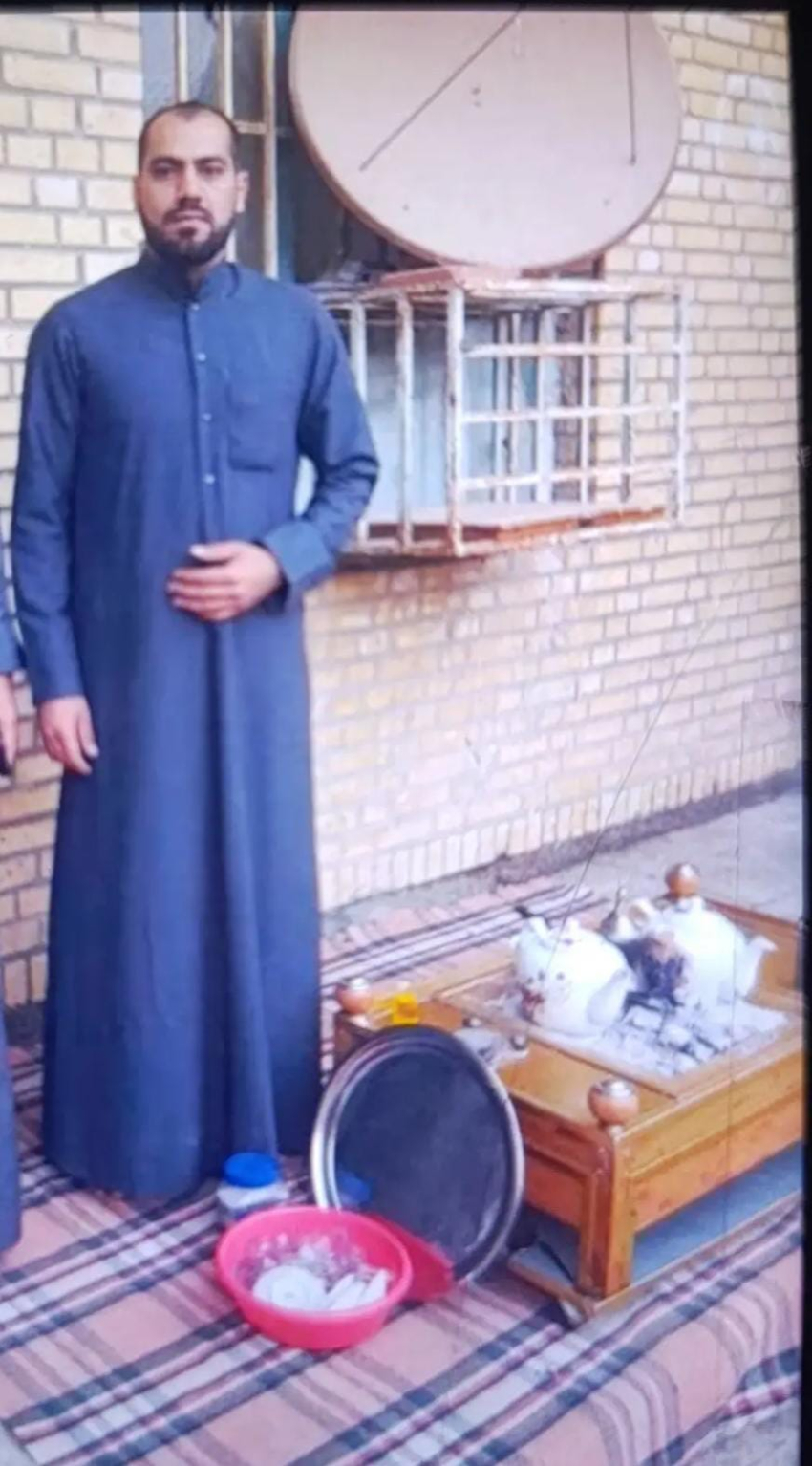
منابع خبري سازمان مي گويد:بعد أز ظهر ديروز يكشنبه 08.12.2013 آقاي عظيم عبدالخاني به همراه تمام اعضاي خانواده اش دستگير شد. نيرو هاي ستاد خبري بدون داشتن هيج مجوزي و بدون اطلاع قبلي به خانه وي يورش آورده وتمام خانواده را با خود به مكان مجهول برده فاميل هاي آنها هيج اطلاعي أز مكان آنها ندارند. آقاي عظيم عبدالخاني تقريبا ٥٣ سأله داراي ٤ فرزند مي باشد وي در كار خريد وفروش ماشين مشغول مي باشد
او ساكن سوس منطقه ( حي السيف) يا احمد أباد كنوني مي باشد
سازمان أحوازي حقوق بشر اينگونه دستگيري هاي بي دليل و إيجاد رعب وحشت ونا أمني در بين مردم عرب أحواز را كه مغاير قوانين حقوق بشر جهاني مي باشد رامحكوم ميكند
09.12.2013
اعتقال المواطن الأحوازي السيد عظيم عبدالخاني مع كافة افراد اسرته في مدينة السوس
كانون1/ديسمبر 09, 2013اعتقلت قوات الامن الايرانية يوم امس الأحد الموافق 8.12.2013 عائلة المواطن الأحوازي السيد عظيم عبدالخاني بعد ما داهمت بيتهم دون اي انذار مسبق او ترخيص قانوني من قبل الجهات المعنية بالاضافة الى عدم وجود اية ادلة اتهام لهذه القوات.
و نقلت مصادر المنظمة الأحوازية لحقوق الإنسان ان قوات الامن الايرانية قامت بنقل المواطن عظيم عبدالخاني مع افراد اسرته الى مكان غير معلوم قد يكون سجون دائرة الاستخبارات في مدينة السوس.
و يسكن المواطن الأحوازي عظيم عبدالخاني و الذي يبلغ من العمر 53 عامأ و له اربعة اطفال في حي السيف احد احياء مدينة السوس و يعمل في الاسواق الحرة في تلك المدينة .
و تدين المنظمة الأحوازية لحقوق الإنسان مثل هذه الاعتقالات العشوائية التي تؤدي الى الرعب و تخويف العوائل من قبل السلطات الايرانية .
المنظمة الأحوازية لحقوق الإنسان
09.12.2013
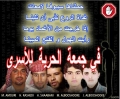
Amnesty International:Document - Iran: Ahwazi arab teachers nearing execution?
كانون1/ديسمبر 09, 2013Document - Iran: Ahwazi arab teachers nearing execution?
Further information on UA: 137/12 Index: MDE 13/053/2013 Iran Date: 9 December 2013
URGENT ACTION
Ahwazi Arab teachers nearing execution?
Imprisoned teachers Hadi Rashedi and Hashem Sha’bani Amouri, both members of Iran’s Ahwazi Arab minority, have been transferred to an unknown location, which suggests their executions may be imminent.
Hadi Rashedi and Hashem Sha’bani Amouri were transferred on 7 December to an unknown location from Karoun Prison in Ahvaz, Khuzestan province. They may be at imminent risk of execution, given the recent news that four other Ahwazi Arab men were secretly executed in November or December 2013.
Hadi Rashedi and Hashem Sha’bani Amouri were arrested in early September 2011, along with three other men, Mohammad Ali Amouri, Sayed Jaber Alboshoka and his brother Sayed Mokhtar Alboshoka, apparently in connection with their cultural activities on behalf of Iran’s Ahwazi Arab minority. They were sentenced to death on 7 July 2012 by Branch Two of the Ahvaz Revolutionary Court, after being convicted of charges including “enmity against God”, “corruption on earth”, "gathering and colluding against state security” and “spreading propaganda against the system”. All five men were denied access to a lawyer and their families for the first nine months of their detention and are believed to have been tortured or otherwise ill-treated before and after the verdict. Hadi Rashedi and Hashem Sha’bani Amouri were shown “confessing” on a state television channel before the trial, in violation of international standards on fair trial. In January 2013, the Supreme Court upheld their death sentences. In March 2013, the men began a hunger strike in protest at this decision, their alleged torture and other ill-treatment and the prison authorities’ refusal to grant them medical treatment. They continued the hunger strike for 28 days.
All five men were transferred in August 2013 to an unknown location where they were held for between one and five weeks. Hadi Rashedi and Hashem Sha’bani Amouri were reported to have been pressured to make videotaped “confessions” and are believed to have been tortured or otherwise ill-treated when they refused.
Please write immediately in Persian, Arabic, English or your own language:
Urging the authorities to reveal the whereabouts of Hadi Rashedi and Hashem Sha’bani Amouri, not execute any of the five men (naming them) and order retrials for all of the men, in proceedings in line with international fair trial standards and without recourse to the death penalty;
Urging them to effectively investigate the allegations that the men were tortured or otherwise ill-treated and disallow as evidence in court any “confessions” that may have been obtained under torture;
Calling on them to ensure the men are protected from torture and other ill-treatment, are granted all necessary medical treatment and are allowed immediate and regular contact with their lawyers and families.
PLEASE SEND APPEALS BEFORE 20 JANUARY 2014 TO:
�
Leader of the Islamic Republic
Ayatollah Sayed ‘Ali Khamenei
The Office of the Supreme Leader
Islamic Republic Street – End of Shahid
Keshvar Doust Street,
Tehran, Islamic Republic of Iran
Twitter: @khamenei_ir
Email: عنوان البريد الإلكتروني هذا محمي من روبوتات السبام. يجب عليك تفعيل الجافاسكربت لرؤيته.
Salutation: Your Excellency
Head of the Judiciary
Ayatollah Sadegh Larijani
c/o Public Relations Office
Number 4, 2 Azizi Street intersection
Tehran, Islamic Republic of Iran
Email: عنوان البريد الإلكتروني هذا محمي من روبوتات السبام. يجب عليك تفعيل الجافاسكربت لرؤيته.
(Subject line: FAO
Ayatollah Sadegh Larijani)
Salutation: Your Excellency
And copies to:
President of the Islamic Republic of Iran
Hassan Rouhani
The Presidency
Pasteur Street, Pasteur Square
Tehran, Islamic Republic of Iran
Email: عنوان البريد الإلكتروني هذا محمي من روبوتات السبام. يجب عليك تفعيل الجافاسكربت لرؤيته.
Twitter: @HassanRouhani (English) and
@Rouhani_ir (Persian) �
Also send copies to diplomatic representatives accredited to your country. Please insert local diplomatic addresses below:
Name Address 1 Address 2 Address 3 Fax Fax number Email Email address Salutation Salutation
Please check with your section office if sending appeals after the above date. This is the third update of UA 137/12. Further information: http://amnesty.org/en/library/info/MDE13/049/2012/en
�
URGENT ACTION
Ahwazi Arab teachers nearing execution?
ADditional Information
The five men are members or co-founders of the cultural institute Al-Hiwar, registered during the administration of former President Khatami, which used to organize events in the Arabic language, including conferences, educational courses, art classes, and poetry recital gatherings, in the south-western city of Ramshir. The organization was banned in May 2005, and many of its members have since been arrested.
All five men were arrested at their homes in early 2011, ahead of the sixth anniversary of widespread protests by Ahwazi Arabs in April 2005. Mohammad Ali Amouri was arrested 20 days after he had been forcibly returned from Iraq, where he had fled in December 2007. He was not allowed family visits for the first nine months after he was detained, and is understood to have been tortured or otherwise ill-treated. Hadi Rashidi was hospitalized after his arrest, apparently as a result of torture or other ill-treatment, and is believed to be in poor health. Family members have said that Sayed Jaber Alboshoka’s jaw and teeth were broken during his detention and that Sayed Mokhtar Alboshoka has experienced depression and memory loss as a result of torture or other ill-treatment. Hashem Sha’bani Amouri is said to have had boiling water poured on him.
Hashem Sha’bani Amouri and Hadi Rashidi were featured in a programme aired by Iran’s state-controlled English-language television station, Press TV, on 13 December 2011. Hashem Sha’bani was shown admitting that he was a member of the “Popular Resistance”, a group which he said had ties to Saddam Hussein and Mu’ammar al-Gaddafi, the former leaders of Iraq and Libya. Hadi Rashedi was described as “the leader of the military wing of the Popular Resistance” and was seen saying that he had participated in an attack on a house containing four government officials.
A sixth man arrested around the same time and tried alongside the five – teacher Rahman Asakereh – was sentenced to 20 years’ imprisonment to be served in internal exile. His sentence was upheld in January 2013.
Four other Ahwazi Arab men, Ghazi Abbasi, Abdul-Reza Amir-Khanafereh, Abdul-Amir Mojaddami and Jasim Moghaddam Payam, were executed in November or December 2013 following their transfer from Karoun Prison to an unknown location on 3 November. Amnesty International understands that the families of the men were not told the exact date of the executions, either in advance or after they had taken place, and have not received the bodies of their relatives. A lawyer for one of the men has also said he had not been told beforehand of the executions despite legal requirements under Iranian law that lawyers must receive 48 hours’ notification of any client’s execution.
Under Article 38 of the Iranian Constitution and Article 9 of the Law on Respect for Legitimate Freedoms and Safeguarding Citizens’ Rights, all forms of torture for the purpose of obtaining “confessions” are prohibited. Iran’s Penal Code also provides for the punishment of officials who torture citizens in order to obtain “confessions”. However, despite these legal and constitutional guarantees regarding the inadmissibility of testimony, oath, or confession taken under duress, forced “confessions” extracted under torture are sometimes broadcast on television even before the trial has begun and are frequently accepted as evidence in Iranian courts. Such broadcasts violate Iran’s fair trial obligations under Article 14 of the International Covenant on Civil and Political Rights, to which it is a state party, including the principle of the presumption of innocence. They also violate Iranian law, including Article 37 of the Constitution, Article 2 of the 2004 Law on Respect for Legitimate Freedoms and Safeguarding Citizens’ Rights and Note One to Article 188 of Iran’s Criminal Code of Procedure, which criminalizes the publishing of the name and identity of a convict in the media before a final sentence has been passed.
Names: Mohammad Ali Amouri, Sayed Jaber Alboshoka, Sayed Mokhtar Alboshoka, Hashem Sha’bani Amouri, Hadi Rashidi
Gender m/f: m
�
Further information on UA: 137/12 Index: MDE 13/053/2013 Issue Date: 9 December 2013
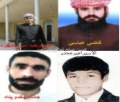
Amnesty International:Document - Iran: Further information: Four Ahwazi Arab men executed in Iran
كانون1/ديسمبر 08, 2013Document - Iran: Further information: Four Ahwazi Arab men executed in Iran
Further information on UA: 280/13 Index: MDE 13/052/2013 Iran Date: 6 December 2013
URGENT ACTION
FOUR AHWAZI ARAB MEN EXECUTED in IRAN
Ghazi Abbasi and three other men, Abdul-Reza Amir-Khanafereh, Abdul-Amir Mojaddami and Jasim Moghaddam Payam, have been executed. All were members of Iran’s Ahwazi Arab minority.
The four men had been transferred to an unknown location on 3 November, from Karoun Prison, in the south-western province of Khuzestan. Officials from the Ministry of Intelligence told the men's families on 2 December that they had been executed and buried, but would not reveal where Ghazi Abbasi, Abdul-Reza Amir-Khanafereh, Abdul-Amir Mojaddami and Jasim Moghaddam Payam had been buried. Amnesty International understands that the families have been barred from holding memorial events and were not told the exact date of the executions, either in advance or after they had taken place. A lawyer for one of the men has also said he had not been told beforehand of the executions. Under Iranian law, lawyers must receive 48 hours’ notification of any client’s execution.
The four men had been sentenced to death on 15 August 2012 by Branch One of the Revolutionary Court of Ahvaz for the vaguely worded charges of “enmity against God” (moharebeh) and “corruption on earth" (ifsad fil-arz). The charges related to a series of shootings that had allegedly led to the deaths of a police officer and a soldier. On 13 February 2013, Branch 32 of the Supreme Court upheld the four death sentences, though the lawyer for Abdul-Reza Amir-Khanafereh has said there was a pending appeal in his client’s case, possibly in relation to a separate case.
All four men denied any involvement in the shootings, saying their “confessions” had been obtained under torture and other ill-treatment, and they had recanted them in court. Both the lower court and Supreme Court judgements have acknowledged that some of the defendants retracted their “confessions” in court, saying they had been extracted under torture or other ill-treatment. However their claims of torture have not been investigated. Torture and other-ill treatment, particularly during pre-trial detention, are common and are committed with impunity in Iran.
Many thanks to all who sent appeals. No further action is requested from the UA network.
This is the first update of UA 280/13. Further information: www.amnesty.org/en/library/info/MDE 13/040/2013/en
Names: Ghazi Abbasi, Abdul-Reza Amir-Khanafereh, Abdul-Amir Mojaddami, Jasim Moghaddam Payam
Gender m/f: m
�
Further information on UA: 280/13 Index: MDE 13/052/2013 Issue Date: 6 December 2013
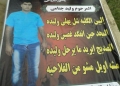
قوات الامن الايرانية تغتال المواطن الأحوازي وليد بن رحمة الخنافرة و تعتقل عدد اخر من المواطنين
كانون1/ديسمبر 05, 2013اغتالت قوات الامن الايرانية يوم الاربعأ الموافق ل 04.12.2013 المواطن الأحوازي وليد رحمة البو جنام الخنافرة اثر التظاهرات التي تشهدها مدينة الفلاحية و ضواحيها ضد تنفيذ جريمة الإعدام على اربعة من السجناء الأحوازيين التي قامت بها السلطات الايرانية.
و قامت قوات الامن برفقة رجال من الشرطة و دائرة الاستخبارات باطلاق النار عشوائيأ على المواطنين الأحوازيين الذين تظاهروا في شوارع مدينة الفلاحية و ضواحيها بعد انتشار خبر إعدام اربعة من ابناء الفلاحية الذين تم اعتقالهم منذ عام 2009.
و فارق الحياة اثر هذه التظاهرات المواطن الأحوازي وليد بن رحمة البوجنام(الخنافرة) و هو بن عم احد االمعدومين الاربعة(غازي عباسي) و ذلك اثر اطلاق النار على سيارته التي كان يقودها في احد شوارع ضواحي مدينة الفلاحية الذي كان يشهد احتجاجات واسعة تندد بتنفيذ جريمة الإعدام على اربعة أحوازيين التي ارتكتبتها السلطات الايرانية في داخل سجونها السرية التابعة لدائرة الاستخبارات.
و قد اعتقل عدد اخر من المواطنين الأحوازيين اثناء هذه الاحتجاجات.
يذكر ان السلطات الايرانية نفذت جريمة الإعدام على اربعة من السجناء الأحوازيين بالرغم من المناشدات الانسانية التي اطلقتها المنظمات الانسانية الدولية التي طالبت بها السلطات الايرانية بالغاء احكام الإعدام و اجراء محاكمات عادلة و علنية للأحوازيين الاربعة.ل
و تدين المنظمة الأحوازية لحقوق الإنسان مثل هذه الجرائم مطالبة المنظمات الانسانية بالتحرك العاجل لانقاذ السجناء الأحوازيين و حث السلطات الايرانية على حرية التظاهر و احترام المواطنين الأحوازيين .
المنظمة الأحوازية لحقوق الإنسان
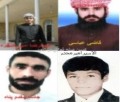
المنظمة الأحوازية لحقوق الإنسان تدين تنفيذ جريمة الإعدام على أربعة من السجناء الأحوازيين
كانون1/ديسمبر 05, 2013تدين المنظمة الأحوازية لحقوق الإنسان تنفيذ جريمة إعدام أربعة من السجناء الأحوازيين على يد السلطات الايرانية مطالبةُ مجلس حقوق الإنسان التابع للامم المتحدة و المنظمات الانسانية الحكومية و غير الحكومية باتخاذ موقف حازم تجاه مايحصل في ايران من ارتفاع حصيلة الإعدامات و انتهاكات حقوق الإنسان و التي تعتبر انتهاكأ صارخأ و اختراقأ واضحأ لكافة القوانين الإنسانية و الدولية.
و نفذت السلطات الايرانية حكم الإعدام على أربعة من السجناء الأحوازيين و هم :غازي عباسي و عبدالرضا امير خنافره و جاسم مقدم پناه و عبدالأمير مجدمي .
و أكدت مصاردر أحوازية مؤثقة ان السلطات الايرانية قامت بتنفيذ جريمة الإعدام بعد ما نقلت السجناء الأربعة في تأريخ 03.11.2013 من سجن كارون الواقع في مدينة الأحواز العاصمة الى السجون السرية التابعة لمقرات دائرة الاستخبارات الايرانية في مدينة الأحواز العاصمة.
و قامت السلطات الايرانية بالاتصال هاتفيأ (في تأريخ 02.12.2013) بعوائل المعدومين الاربعة حتى تخبرهم عن إعدام ابناءهم الاربعة و دفنهم سرأ.
و جاء حكم الإعدام بتاريخ 04.09.2012 بعد ما اتهمت السلطات الايرانية المعدومين الأحوازيين الأربعة بتشكيل كتيبة مسلحة تدعى كتيبة الاحرار لتحرير الأحواز و لكن المحكومين الأربعة رفضوا تلك الاتهامات في رسالة تم تسريبها من داخل السجن سرأ، اذ أكدوا فيها على عدم معرفتهم بتلك الكتيبة و حتى على عدم التطرق اليها اثناء المحاكمة من قبل رئيس الشعبة الاولى في محكمة الثورة الايرانية القاضي السيد علي فرهاد وند؛ و ان السلطات الايرانية مارست ضدهم في السجون السرية ابشع انواع التعذيب الجسدي و النفسي دون ان توجه لهم اية تهمة و ان محاكمتهم تمت في الزنزانات الانفرادية في سجون دائرة الاستخبارات الايرانية دون ان تسمح لهم تلك السلطات من تعيين محام للدفاع عن انفسهم.
و تطرق السجناء الأحوازيين الأربعة قبل اعدامهم في تلك الرسالة السرية على انهم قضوا ثلاث سنوات في السجون السرية التابعة لدائرة الاستخبارات الايرانية في الأحواز دون ان توجه لهم اية تهمة و ان محاكمتهم الغير علنية استغرقت ساعتين و نصف الساعة فقط حتى يحكم على اربعتهم بالإعدام بعد انتهاء من المحاكمة فورأ و هو الامر الذي يؤكد عدم عدالة تلك المحكمة و الأحكام الصادرة منها.
و في تأريخ 04.09.2012 و في محاكمة غير علنية و في داخل السجون السرية حكم القاضي علي فرهادوند و هو رئيس الشعبة الاولى في محكمة الثورة الايرانية في الأحواز على الأحوازيين الأربعة بالإعدام حتى الموت و ذلك بتهمة محاربة الله و رسوله و الافساد في الأرض و التأمر على الامن القومي الايراني و تم تأييد هذا الحكم من قبل المحكمة العليا الايرانية(ديوان عالي كشور) برئاسة القاضي رضا فرج اللهي و مستشاره السيد علي اصغر لطيفي رستمي في تأريخ 13.04.2013 .
و قد قامت القوات الامينة الايرانية برفقة رجال من دائرة الاستخبارات في عام 2009 بحملة مداهمات في مدينة الفلاحية و اعتقلت عدد من المواطنين الأحوازيين ؛حكمتعلى بعضهم بالسجن لفترات طويلة و على اخرين منهم بالاإعدام شنقأ.
13.02.2013
تفاصيل اكثر عن الأحوازيين الأربعة الذين تم إعدامهم بالاضافة الى رسائلهم الأربعة:
1_غازي عباسي (خنافرة) بن احمد من مواليد 1984 من مدينة الفلاحية (شادكان) اعتقل 2009/09/03 على يد القوات الامنية الايرانية بعد مداهمة بيته ليلأ و دون اي مذكرة اعتقال قانونية، وبقى في زنزانات الاستخبارات لمدة 10 اشهر مارسوا عليه انواع التعذيبات الجسدية والنفسية وعلى صعيد تعذيبه النفسي قاموا بإعتقال أخيه وزجوا به ايضا في زنزانات دائرة الاستخبارات ومارسوا عليه انواع التعذيبات.
2_عبدالرضا امير خنافره بن شيخ يونس من مواليد 1986اعتقل في تاريخ 17.09.2009 على يد القوات الامنية الايرانية بعد مداهمة بيته ليلأ و دون اي مذكرة اعتقال قانونية، بقى 10 اشهر في زنزانات الاستخبارات ومارسوا عليه انواع التعذيبات النفسية والجسدية منها اعتقال والده الفقيد الشيخ يونس(شيخ عشيرة الخنافرة) لمدة ثلاثة اشهر من قبل دائرة الاستخبارات..
3- جاسم مقدم پناهمن مواليد 1983 اعتقل في03.06.2009 على يد القوات الامنية الايرانية بعد مداهمة بيته ليلأ و دون اي مذكرة اعتقال قانونية، ومارسوا عليه انواع التعذيبات الجسدية والنفسية لمدة 13 اشهر في زنزانات دائرة الاستخبارات.
4_ عبد الامیر مجدمی بن هليل من مواليد 1980 تم إعتقاله بتاريخ 17.09.2009 على يد القوات الامنية الايرانية بعد مداهمة بيته ليلأ و دون اي مذكرة اعتقال قانونية، وتم توقيفه لمدة 8 اشهر في زنزانات دائرة الاستخبارات وقد مارسوا عليه انواع التعذيب الجسدي والنفسي.
نص الرسائل التي تم تسريبها من داخل السجن كارون للسجناء الاربعة قبل نقلهم من السجن و إعدامهم:
الجزء الأول
السلام عليكم
اود ان الفت الأنظار بداية الامر لان هذه الرسالة ليست سوى ردا رادع تجاه الاتهامات التي وجهت الينا من الادلائات القضاء الإيراني ولاننوي سوى ان نوضح النقاط الغامضة التي تحيد بهذا الملف.
أولا:الاتهام بتأسيس مجموعة إرهابية باسم كتائب الأحرار ولم يكن أي منا يسمع به من قبل ولم يأتي على مسامعنا طيلة فترة التحقيق في المخابرات وأول مكان سمعناه لم يكن سوى في الادلائات القضاء الإيراني حتى لم يكن لديه منشورا ومكان بين الحركات الاحوازية والأمر الاخر المثير للسخرية هو ان القاضي صرح في جلسة المحكمة بأنه ليس واثقا من وجود مجموعة او تنظيم ولكنه يظن بأننا قمنا بتأسيس مجموعة ما,اذن المعيار في هذا الاتهام لم يكن سوى الظن الذي من الممكن ان يؤدي الى سلب أرواح الأبرياء
ثانيا
أحد الإتهامات التي تنافي مع بعضها البعض هي إثارة الرعب ومخاوف الشارع والإتهام الثاني هو الإنتماء إلى تنظيم ينوي إلى تحرير الشعب ، كيف يمكن أن يجتمع هذين الاتهامين وكيف قد يكون بإمكان من يصبوا إلى تحرير وفك العبودية والظلم أن يقوم بإثارت الرعب والخوف في الشعب.
ثالثا: تم إصدار الحكم حسب تقارير المخابرات ولم يكن لإفادتنا أي دور في إصدار هذا الحكم وبعبارة أخرى تم الحكم علينا دون أن تكون لهم أدنى نظرة اتجاه تصريحاتنا،
في إطار السلاح الذي نسب إلينا فقد صرح خبير السلاح على مستوى المحافظة بأنه لم يطلق أي طلقة تجاه أي منشأة حكومية أو وحدة عسكرية ولم يقتل به أي ضابط وقد ورد هذا التقرير في دفاعيات محامينا ولكن المخابرات الإيرانية خولت خبيرا أخر مسير وأرادت منه يدلي بتصريحات حسب ما تشاء المخابرات وهو ان تم قتل ضابط وجرح احد بالسلاح المذكور وهن أكاذيب خالصة قامت بتدوينها المخابرات الإيرانية.
احب انوه بان جميع التصريحات الذي جائت من قبل القضاء لم تكن سوى عكس نظرة المخابرات ولم تعني أي اعتناء بتصريحاتنا وافاداتنا في المخابرات ولافي المحكمة عندما تسلط الضوء على إفادات القضاء نرى هل هنالك كل اتهام يذكر مرتين أو ثلاث وذلك فقط وفقط لتحجيم الملف وترويع القارئ. على سبيل المثال بشكل مفبرك ذكر بأننا قمنا بالهجوم على مخفر العبودي ومخفر حي الگيداري ومخفرقرية الخروسي لعدة مرات وأهلها اعرف بأن هؤلاء القرى كلها لديها مخفرواحد يسمى مخفر الحدبه في الخروسي (خنافره) ولكنها الافادات تشير بأن كل من هذه القرى لديها مخفر ووحدات عسكرية مستقلة واننا قمنا بالهجوم على هذه المخافر ولو ان هذا الاتهام يواجه الرفض بشكل قاطع من قبلنا ولكن انظروا كيف يفبركون الحقائق ويقومون بقلب الصورة وتشويش المشهد يمكن لكم معرفة الواقع عبر الاتصال بأحد سكان هذه القرى, اذن احب ان أورد بأن جميع ماجاء في إفادات القضاء من اتهاماتنا بجريمة القتل وانشاء تنظيم مسلح واثارة المخاوف وإرهاب الشارع لم يكن سوى اكذوبة صاغتها المخابرات من مطامع شخصية وساعدها القضاء في اكمال مهمة الصياغة اذ تم اصدار الحكم فقط وفقط على أساس علم القاضي ولااعلم بأن القاضي هل يستطيع يؤدي دور الله لأنه الواحد علام الغيوب ولم تكن هنالك أي ادلة أو ادنى اعترافات حقيقية تدل على تورطنا في الاتهامات الموجهة الينا, اتسائل كيف يمكن للقضاء ان يقوم بهذه الأفعال التعسفية والإجراءات المظلمة.
اننا نعلم بأن القضاء في ايران اصبح مسيسا وآلة بيد بعض من لاتهتم إراقة دماءنا أو دماء الأبرياء ومن المثير للسخرية هو اتهام وجه لي بأن احد الاخوة المعتقلين معنا صرح بانه قد رأى صورة معلقة على جدار احد الغرف في بيتنا وهي تشبه صورة احد الشهداء الذين تم إعدامه من قبل السلطات الإيرانية , فهل الاحتفاظ بصورة شخص ما بوسعها ان تكون اتهاما وتكون بمثابة جريمة لايمكن غض النظر عنها.
وفي الاخر اناشد جميع من يهتم بالشأن الإنساني وجميع المنظات الناشطة على صعيد حقوق الانسان ان تنبه الى هذا.


ادانة منظمة العفو الدولية حول صدور حكم الإعدام على الأحوازيين الاربعة قبل اعدامهم:
http://amnesty.org/en/library/asset/MDE13/031/2013/en/36f61673-6c6c-4f6f-8e8d-852b542cedc8/mde130312013en.html
المنظمة الأحوازية لحقوق الإنسان
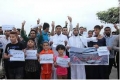
LES AHWAZIES ONT PROTESTÉS POUR LA CINQUIÈME FOIS
كانون1/ديسمبر 04, 2013LES AHOIZIES ONT PROTESTÉS POUR LA CINQUIÈME FOIS SUR UN PROJET DE TRANSFERT DE L'EAU DU FLEUVE KAROUN ET LES AUTORITÉS DE MENER UNE CAMPAGNE D'ARRESTATIONS.
La capital Ahwaz sur les rives de la rivière Karoun a vue pour la cinquième fois d'affilée une protestation massive dénonçant les autorités persistante iraniens sur la mise en œuvre du projet Kohrang à transférer de l'eau de la rivière Karoun de Ahwaz à la ville d'Isfahan pour relancer la rivière Zaindh Rod dans la ville d'Ispahan, en particulier la relance des espaces agricoles dans cette province, à un moment citoyens Ahwazies souffrent de la soif et le manque et de rareté de l'eau. PLus de tout ça les ahwazies sont empêcher de l'agriculture à l'absence d'eau par les mêmes autorités.
Cette manifestation qui était organisé par un certain nombre de citoyens Ahwaz avec la participation des milliers de citoyens portant des des bandroles contenant des slogans refuse le projet de Kohrang qui sert à transférer de l'eau de la rivière Karoun et le séché.
Dans le même contexte, notre site Ahwazie a publié l'arrestation d'un certain nombre de participants aux manifestations par les forces de la sécurité iraniennes parmi eux leurs citoyens ahwazie Abdullah Frissat et est un étudiant âgé de 23 ans après sa participation sur le canal du Khouzistan (de langue Farsi) locale et affilié au gouvernement iranien .
Rappelant que La politique de construction des plusieurs barrages sur les rivières Ahwaz, comme la fleuve Karoun et Karkhah et Essaouira et Alerahi ... Et le transfert d'une grande partie de l'eau a été une cause majeure de la désertification et de la largeur et de séchage du rivères et les espaces agricoles.
Dans le rapport de l'Organisation mondiale de la Santé les Ahwazies sont classé dans la première place mondiale pour les villes les plus polluées tout en confirmant autres organisations environnementales sur le taux élevé de la pollution dans les villes de Ahwaz à cinquante fois de plus.
Malgré les nombreux appels lancés par des parlementaires et des militants et des universitaires et autres parties de la société Ahwaz pour sauver le reste de la rivière Karoun et les espaces agricoles, Mais les autorités Iranienne jusqu'à présent n'a pas encore pris les procédures nécessaire pour résoudre cette crise et qui a déjà tués, des centaines de citoyens Ahwazies .
Organisation ahwazie droits de l'homme
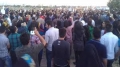
الأحوازيون يحتجون للمرة الخامسة على مشروع نقل مياه نهر كارون و السلطات تقوم بحملة اعتقالات
كانون1/ديسمبر 03, 2013شهدت مدينة الأحواز العاصمة على ضفاف نهر كارون و للمرة الخامسة على التوالي وقفة احتجاجية عارمة تندد باصرار السلطات الايرانية على تنفيذ مشروع كوهرنغ لنقل مياه نهر كارون من الأحواز الى مدينة اصفهان لاحياء نهر زاينده رود في مدينة اصفهان سيما احياء الاراضي الزراعية في تلك المحافظة في الوقت الذي يعاني المواطنون الأحوازيون من العطش و قلة شحة المياه. هذا بالاضافة الى منع المزارعين الأحوازيين من الزراعة لقلة المياه من قبل السلطات نفسها.
و شارك في هذه الوقفة الاحتجاجية و التي نظمها عدد من المواطنين الأحوازيون الاف من المواطنين رافعين لافتات تحتوي على شعارات ترفض مشروع كوهرنغ لنقل مياه نهر كارون و تجفيفه.
و في السياق نفسه نقل موقع أحوازنا الأحوازي عن اعتقال عدد من المشاركين في هذه الوقفة على يد قوات الامن الايرانية و منهم المواطن الأحوازي عبدالله فريسات و هو طالب جامعي يبلغ عمره 23 عامأ بعد مشاركته على قناة خوزستان(الناطقة باللغة الفارسية) المحلية و التابعة للحكومة الايرانية.
يذكر ان سياسة بناء السدود المتعددة على الانهر الأحوازية كنهر كارون و الكرخة و السويرة و اليراحي... و نقل جزء كبير من المياه كانت سببأ رئيسيأ في و اتساع ظاهرة التصحر و التجفيف الذي تشهده هذه الانهرو الاراضي الزراعية.
و في تقرير لمنظمة الصحة العالمية احتلت الأحواز المركز الاول عالميا للمدن الاكثر تلوثأ فيما أكدت منظمات بيئية اخرى عن ارتفاع نسبة التلوث في المدن الأحوازي الى خمسين اضعافأ.
و بالرغم على المناشدات العديدة التي اطلقها برلمانيون و نشطاء و اكاديميون و شرائح اخرى من المجتمع الأحوازي لانقاذ ماتبقى من نهر كارون و االاراضي الزراعية الا ان السطات الايرانية الى الان لم تتخذ بعد الاجراات اللازمة لمعالجة هذه الازمة و التي راح ضحيتها الى الان مئات من المواطنين الأحوازيين .
المنظمة الأحوازية لحقوق الإنسان

JOURNÉE INTERNATIONALE DE LA LANGUE MATERNELLE ET L'ÉDUCATION DEs LANGUES ORIGINUAX
كانون1/ديسمبر 03, 2013L'éducation de La langue maternelle
L'UNESCO a déclaré la Journée internationale de la Langue maternelle en 1999. Lacélébration de cette occasion en Février 21 de chaque année dans le monde entier.
L'objectif de cette célébration à promouvoir la diversité linguistique et l'éducation multilingue, et de souligner la nécessité d'accroître la sensibilisation à l'importance de l'éducation fondée sur la langue maternelle.
La diversité linguistique et culturelle ont des valeurs universelles qui contribuent à renforcer les bases de l'harmonie et de la cohésion au sein des communautés. Pour cette raison, la Directrice général de l'UNESCO va se concentrer, lors d'une cérémonie privée de la Journée internationale de la langue maternelle en 2013 sur l'importance de ce message de base et mettra l'accent en particulier sur le thème qui était choisi pour cette année,par l'utilisation de livres et de médias numériques dans les langues locales.
Les États membres de l'organisation, dans le monde entier,ont joué un rôle clé dans la promotion des langues maternelles à travers des institutions et des associations nationales affiliées. Il s'engage également avec les médias, les écoles, les universités et les associations culturelles pour jouer un rôle actif dans la promotion des objectifs de la Journée internationale de la langue maternelle.
L'objectif de la Journée internationale de la langue maternelle de 2013, qui se tiendra sous le slogan «les livres pour l'enseignement dans la langue maternelle» est un rappel des principaux acteurs impliqués dans l'éducation pour soutenir l'éducation dans la langue maternelle exige aussi le soutenir de la production des livres dans les langues locales.
L'importance des documents écrits par la langue maternelle.
Le terme "éducation basée sur la langue maternelle" en général pour le but de l'utilisation des langues maternelles dans les écoles et dans l'environnement de la maison. Il est conseillé de fonder le processus d'acquisition de compétences linguistiques et d'apprendre à lire et à écrire dans leurs ressources de la langue maternelle écrites , mais sans s'y limiter, des publications et des livres et des manuels d'introduction, car il favorise l'expression orale. Les documents écrits par la langue maternelle ont contribuer à améliorer la capacité des élèves à acquérir des compétences en lecture et en écriture dans la construction d'une base solide pour d'apprentissage.
Il existe aujourd'hui dans le monde un grand nombre de langues non écrites, à noter qu'il y avait un progrès été accomplis dans l'élaboration des règles de l'orthographe. Il convient de noter aussi que la plupart des linguistes et des spécialistes de l'éducation, les enseignants, locaux et internationaux coopérant avec les peuples originaux en Amérique latine ou en Asie avec les tribus, par exemple en vue de développer les règles de l'orthographe. L'utilisation des ordinateurs pour la production des livres d'un coûts relativement bas pour l'impression numérique des projets prometteuses en ce qui concerne la production de documents écrits à moindre coût pour servir à un nombre de personnesplus important pour les acquérir et les utilisent.
L'éducation dans la langue maternelle.
L'UNESCO encourage l'éducation bilingue ou multilingue basée sur la langue maternelle dans les premières années de l'éducation en raison de l'importance de cette construction d'une base solide pour l'apprentissage des langues. L'utilisation de la langue maternelle avec les jeunes enfants à la maison ou dans l'enseignement pré-scolaire les aide à acquérir la lecture et de l'écriture de leur langue maternelle d'une manière facile, et les aider également à l'acquisition d'une langue seconde (peut être la langue nationale) à une phase ultérieur de leur scolarité.
Le terme «éducation bilingue et multilingue», selon la définition adoptée par l'UNESCO à "utiliser deux ou plusieurs langues comme un moyen d'éducation." L'organisation adoptée en 1999, l'expression «éducation multilingue» pour désigner l'utilisation d'au moins trois langues dans l'éducation, est la langue maternelle, la langue de régional ou national, et la langue internationale.
L'accent a été mis aussi sur l'importance de l'éducation en utilisant la langue maternelle dans les premières années de scolarité dans un certain nombre d'études, de recherche et de rapports, y compris le Rapport mondial de suivi sur l'éducation pour tous, publié par l'UNESCO chaque année.
Les activités:
UNESCO lancera les activités de la Journée internationale de la langue maternelle 2013 dans un événement se tiendra au siège de l'organisation à Paris sur le thème de la Journée internationale de cette année, est "les langues maternelles et les livres , y compris des livres numériques et de l'école." Les experts en langues en soulignant le rôle des langues maternelles dans la promotion de la diversité linguistique et culturelle dans le développement de l'éducation interculturelle dans les archives numériques des langues du monde, par exemple.
Les délégués de l'UNESCO participeront à la table ronde à l'Université d'Evry (France), qui fournira les résultats d'une étude sous le titre «Quelles sont les langues utilisées par les étudiants de l'Université d'Evry?". Et abordera un certain nombre de professeurs d'université, des étudiants et linguistes à une série de questions liées aux langues et à l'éducation. les délégués de l'UNESCO présentera aussi le point de vue de l'organisation de l'éducation bilingue ou multilingue basée sur la langue maternelle.
Les activités de la Journée internationale de la langue maternelle 2013 sont lié auSommet mondial sur la société de l'information. L'UNESCO prévoit d'organiser une session centrée sur la diversité et l'identité culturelles, diversité linguistique et contenus locaux dans le 26 Février 2013, dans le cadre de la réunion d'examen sur le Sommet mondial sur la société de l'information. Le but de cette session est de mettre en évidence la nécessité de renforcer la possibilité d'utilisation des implications locales des connaissances et des informations éducatives et connexes grâce à l'utilisation des langues locales dans les manuels numériques scolaires.
L'organisation Mondial de l'UNESCO
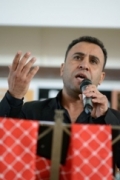
BANDE DE CRÉATIVITÉ DU GROUPE SOLEIL DE LA LIBERTÉ MUSICALE À L'UNIVERSITÉ DE HAMBOURG L'ALLEMANDE
كانون1/ديسمبر 01, 2013Le groupe musical soleil de la liberté Ahwaz a organisé un superbe concert dans le cadre de la journée culturel d'Ahwaz, qui a eu lieu à l'Université de Hambourg, le samedi 09/11/2013 et c'etait pour le but de la définition de l'histoire, la culture et le folklore des événements d'Ahwaz dans les semaines culturelles arabes qui se tient chaque année à l'Université de Hambourg depuis 2003.
Par l'invitation de l'Organisation ahwazie de droits de l'homme le groupe musical d'Ahwaz le soleil de la liberté a présenté les plus belles chansons nationales et de divers pays arabes et le monde arabe, qui avait l'admiration des autres.
Les artistes ahwazie M. Habib Ahwaz et M. Saeed Abbas Ahwaz ne finissent pas leur musique au temps de la journée Ahwaz culturel, et même à l'invitation de la communauté syrienne ont également assisté à la journée culturel syrienne, qui a débuté le samedi soir et pour la solidarité avec le peuple syrien, même portées à la Syrie blessés les plus belles chansons afin d'en tirer sourires sur les visages de ceux qui souffrent de la dévastation en Syrie, anticorps génocide et de crimes contre l'humanité réalisée par le régime d'Assad et ses alliés étrangers contre le peuple syrien.
Organisation ahwazie de droits de l'homme
Vous quelques scènes de la cérémonie sur les liens suivants:
Artiste: M. Saeed Abbas Ahwaz et Mushtaq Al Arde Ahwaz
http://www.youtube.com/watch?v=UmRv9Y3cNMM
M. Habib artistes Ahwaz et M. Saeed Abbas Ahwaz
http://www.youtube.com/watch?v=2oYiLvQMmFA
Artiste Habib Ahwaz
http://www.youtube.com/watch?v=wQeV3Ir6bsM