


Amnesty International:IRAN,EFOLTERTE GEFANGENE, DIE MEDIZINISCHE VERSORGUNG BENÖTIGEN
نيسان/أبريل 30, 2020Zahlreiche arabische Ahwazi-Gefangene im Sheiban-Gefängnis in der Provinz Khuzestan benötigen medizinische Versorgung für Verletzungen, die durch Schläge und Metallpellets verursacht wurden, die am 31. März von Sicherheitskräften bei Protesten gegen die Ausbreitung von COVID-19 im Gefängnis abgefeuert wurden. Drei Gefangene, Hossein Silawi, Ali Khasraji und Naser Khafaji, bleiben gewaltsam verschwunden. Mindestens sieben weitere Personen, darunter die gewaltlosen politischen Gefangenen Jaber Alboshokeh und Mokhtar Alboshokeh, wurden in eine einzige Zelle gesteckt, die für Einzelhaft vorgesehen ist, und befinden sich im Hungerstreik.
سازمان عفو بين الملل: تعداد زیادی از زندانیان عرب احوازی در بند ۵ زندان شیبان، در استان خوزستان، به مراقبتهای پزشکی نیاز دارند
نيسان/أبريل 30, 2020تعداد زیادی از زندانیان عرب احوازی در بند ۵ زندان شیبان، در استان خوزستان، به مراقبتهای پزشکی نیاز دارند. این زندانیان، در پی اعتراض به کوتاهی مسئولان برای رسیدگی به نگرانیها در مورد شیوع ویروس کرونا، با مداخلهی خشونتبار نیروهای امنیتی مورد ضربوجرح و اصابت گلولههای ساچمهای قرار گرفته و مصدوم شدهاند.
از جمله زندانیانی که نیازمند مراقبتهای پزشکی هستند محمدعلی عموری، از فعالان حقوق اقلیتها است که گفته میشود از ناحیه سر و سینه دچار آسیب شده و عبدالرضا عبیدواری که بر اثر ضربوجرح به ناراحتیهای گوارشی مبتلا شده و بینایی یک چشم خود را به دلیل اصابت گلولههای ساچمهای از دست داده است.
همچنین گفته میشود عبدالزهرا (زهیر) هلیچی، عبدالامام زایری، سجاد دیلمی، علی کعب عمیر، جابر آلبوشوکه و برادرش مختار آلبوشوکه به جراحتهای عفونی مبتلا شدهاند.
از تاریخ ۱۲ فروردین، مسئولان زندان و مأموران اطلاعاتی ملاقات با خانوادهها را در زندان شیبان به حال تعلیق در آوردهاند و فقط اجازه میدهند که زندانیان روزانه یک دقیقه با خانوادههایشان تماس تلفنی برقرار کنند. با توجه به گفتههای بستگان زندانیان، مسئولان زندان و مأموران اطلاعاتی همچنین دهها زندانی را برای مدتی قهراً ناپدید کرده و مورد شکنجه و سایر بدرفتاریها قرار دادهاند.
مأموران و مسئولان سه زندانی به نامهای حسین سیلاوی، علی خسرجی و ناصر خفاجی را از ۱۲ فروردین به مکان نامعلومی منتقل کردهاند و سرنوشت و محل نگهداری آنان را همچنان از خانوادههایشان مخفی میکنند. دست کم هفت زندانی دیگر، به نامهای جابر آلبوشوکه، مختار آلبوشوکه، علی مجدم، معین خنفری، جمیل حیدری، جاسم حیدری و عبدالرزاق عبیداوی، که از ۱۲ فروردین در وضعیت ناپدیدشدگی قهری به سر میبردند، در تاریخ ۲۵ فروردین به زندان شیبان بازگردانده شدهاند و از آن زمان مشترکاً در سلول انفرادی نگهداری میشوند و از تماس تلفنی منظم با خانوادههایشان محروم شدهاند.
بستگان این زندانیان با خبر شدهاند که این افراد از چهار اردیبهشت به اعتصاب غذا دست زدهاند. سایر زندانیانی که در بند ۵ زندان شیبان به سر میبرند به خانوادههایشان گفتهاند که اکثر زندانیان این بند مجروح هستند و به دلیل برپایی اعتراضات در زندان با اتهامات کیفری جدید مواجه شدهاند.
اقدام شما موثر است؛ به زبان و قلم خودتان نامه بنویسید یا از متن پینشهادی الگوبرداری کنید. از مقامات ایران بخواهید که؛
تمام زندانیان عقیدتی از جمله محمدعلى عمورى، جابر آلبوشوكه و مختار آلبوشوكه را آزاد کنند.
کسب اطمینان کنند که این زندانیان و سایر زندانیان در زندان شیبان، از جمله عبدالرضا عبيداوي، عبدالرزاق عبيداوي، عبدالامام زايري، علي كعب عمير، علی خسرجی، علي مجدم، جمیل حیدری، جاسم حيدرى، معين خنفری، حسین سیلاوی، ناصر خفاجی، سجاد ديلمى و عبدالزهرا (زهير) هليچی از مراقبتهای پزشکی و همچنین امکان تماس منظم با خانوادهها و وکلایشان برخوردار میشوند.
کسب اطمینان کنند که تحقیقات مستقلی در مورد اتهامات مربوط به ناپدیدسازی قهری و شکنجه در جریان اعتراضات ۱۲ فروردین و متعاقب آن انجام میشود و زندانیان از شکنجه و سایر بدرفتاریها مصون میمانند.
AMNESTY INTERNATIONAL:IRAN, TORTURED PRISONERS IN NEED OF MEDICAL CARE
نيسان/أبريل 30, 2020URGENT ACTION TORTURED PRISONERS IN NEED OF MEDICAL CARE
Scores of Ahwazi Arab prisoners in Sheiban prison, Khuzestan province, require medical care for injuries caused by beatings and metal pellets fired by security forces on 31 March during protests over the spread of COVID-19 in the prison. Three prisoners, Hossein Silawi, Ali Khasraji and Naser Khafaji, remain forcibly disappeared. At least seven others, including prisoners of conscience Jaber Alboshokeh and Mokhtar Alboshokeh, have been crammed into a single cell intended for solitary confinement and are on hunger strike.
TAKE ACTION: WRITE AN APPEAL IN YOUR OWN WORDS OR USE THIS MODEL LETTER
Dear Mr Raisi,
Scores of Ahwazi Arab prisoners in section 5 of Sheiban prison in Ahwaz, Khuzestan province, require medical care for injuries caused by beatings and metal pellets fired by security forces during the violent repression of protests that erupted in the prison on 31 March 2020 over the authorities’ failure to address concerns related to the spread of COVID-19 in the prison. Prisoners in need of medical care include minority rights activist Mohammad Ali Amouri, reportedly suffering from chest and head injuries; Abdolreza Obeidawi, reportedly suffering from gastrointestinal complications resulting from beatings to the stomach and loss of sight in one eye due to pellet injuries; and Abdolzahra (Zuhair) Heleichi, Abdulemam Zayeri, Sajad Deilami, Ali Ka’ab Umair, Jaber Alboshokeh and his brother Mokhtar Alboshokeh, reportedly suffering from wound infections.
Since 31 March, prison and intelligence officials have suspended family visits in Sheiban prison and only allowed prisoners to call their families daily for one minute. According to accounts by relatives, they have also subjected dozens of prisoners to periods of enforced disappearance accompanied by torture and other ill-treatment. Officials continue to conceal the fate and whereabouts of Hossein Silawi, Ali Khasraji and Naser Khafaji from their families after having transferred them to an unknown location on 31 March. At least seven prisoners who were returned to Sheiban prison by 13 April, after also being forcibly disappeared since 31 March, including Jaber Alboshokeh, Mokhtar Alboshokeh, Ali Mojadam, Moieen Khanafereh, Jamil Heidary, Jasem Heidary and Abdolrazagh Obeidawi, have since been crammed into a cell intended for solitary confinement, without access to regular phone calls. Relatives learnt that the seven men embarked on a hunger strike on 23 April. Prisoners held in section 5 of Sheiban prison have told their families that most prisoners in their section are injured and facing new criminal charges for the prison protests.
I urge you to release all prisoners of conscience including Mohammad Ali Amouri, Jaber Alboshokeh and Mokhtar Alboshokeh. Please ensure that they and other prisoners in Sheiban prison including Abdolreza Obeidawi, Abdolrazagh Obeidawi, Abdulemam Zayeri, Ali Ka’ab Umair, Ali Khasraji, Ali Mojadam, Hossein Silawi, Jamil Heidary, Jasem Heidary, Moieen Khanafereh, Naser Khafaji, Sajad Deilami, and Abdolzahra (Zuhair) Heleichi receive medical care as well as regular contact with their families and lawyers. Please ensure independent investigations are conducted into the allegations of enforced disappearance and torture during and after the protests on 31 March and prisoners are protected from torture and other ill-treatment.
Yours sincerely,
First UA: 69/20 Index: MDE 13/2237/2020 Iran Date: 30 April 2020
ADDITIONAL INFORMATION
Section 5 of Sheiban prison in Ahvaz, Khuzestan province is believed to house over 150 prisoners held for politically motivated reasons, including prisoners of conscience. On 31 March 2020, these prisoners, together with hundreds of others held in other sections, staged protests over fears of contracting the new coronavirus (COVID-19); shortage of sanitary products; inadequate testing, prevention and treatment measures; and the authorities’ refusal to grant prison leave. According to information obtained by Amnesty International, prison officers and security forces used unnecessary or excessive force from the outset to quash the protests. As the protests devolved into riots in some sections, with some prisoners setting items on fire, guards in riot gear indiscriminately fired live ammunition, tear gas and metal pellets at prisoners, according to reports from recently released prisoners, prisoners’ families and Ahwazi Arab human rights activists who are in contact with sources inside the prison. Based on these reports, up to 20 prisoners are feared to have died from suffocation, burns or fatal gunshot injuries and several hundred were injured.
Prisoners held in section 5 of Sheiban prison have reported that later in the day, prison officers forced them to pass through what was described by prisoners as a “tunnel of torture” leading to the prison yard. This involved prison guards standing on both sides of the prisoners and striking prisoners repeatedly on their backs and heads with batons and cables as they forced them to run from their cells to the prison yard. According to the testimony of one recently released prisoner, prisoners were forced to walk barefoot on shattered glass scattered on the path to the prison yard. Once in the prison yard, prisoners were questioned one by one over their role in the protests. Dozens were then blindfolded and transferred to an unknown location. For the next two weeks, the authorities refused to reveal their fate and whereabouts to their families. The majority were returned to section 5 of Sheiban prison by 13 April as it emerged that they had been held in a ministry of intelligence detention centre in Ahwaz, and interrogated and tortured there.
According to information obtained by Amnesty International, most prisoners currently held in section 5 of Sheiban prison for political reasons are at risk of facing new criminal proceedings in relation to the prison protests. Some have been in prison for periods ranging between 10 and 20 years and if convicted of the new charges would be less like to qualify for furloughs and pardons. They include Mohammad Ali Amouri (12 years in prison), Abdulemam Zayeri (15 years in prison), Ali Manbouhi (20 years in prison), Nazem Berihi (18 years in prison), Rahim Afravi (20 years in prison), Abdolzahra (Zuhair) Heleichi (15 years in prison) and Yahya Naseri (15 years in prison). Minority rights activists Mohammad Ali Amouri, Jaber Alboshokeh and Mokhtar Alboshokeh have been sentenced to life imprisonment for their peaceful activities for a now-disbanded cultural rights group called Al-Hiwar (meaning “Dialogue” in Arabic).
At the end of March, after reports that inmates from several prisons had tested positive for COVID-19, thousands of prisoners in at least eight prisons in Iran staged protests at the authorities’ failure to adequately protect them, sparking deadly responses from security forces. In several prisons, lethal force was used to suppress protests. Around 36 prisoners are feared to have been killed and hundreds of others injured, according to credible sources.
Torture and other ill-treatment are absolutely prohibited under international law including Article 7 of the International Covenant on Civil and Political Rights, to which Iran is a state party. International law requires states to conduct prompt, independent and thorough investigations into all allegations of torture and other ill-treatment, bring those responsible to justice, and ensure that victims have access to an effective remedy and receive reparation, including rehabilitation. Under international law, authorities must ensure that all prisoners have prompt access to medical care. Authorities also have a duty to provide detainees with reasonable facilities to communicate with and receive visits from family and friends. Such visits are fundamental safeguards against torture and other ill-treatment. The concealment of the fate or whereabouts of detainees constitutes enforced disappearance, which is a crime under international law.
Khuzestan province has a large Arab population who generally self-identify as “Ahwazi Arabs”. Despite Khuzestan’s natural resource wealth, the province suffers from severe socioeconomic deprivation and high levels of air and water pollution. Concentrated in poor urban outskirts lacking basic facilities, Ahwazi Arabs face discrimination in employment, housing, access to political office and the exercise of cultural, linguistic, civil and political rights. The inability to use their mother language as a medium of instruction for primary education is also a source of deep resentment and frustration.
https://www.amnesty.org/download/Documents/MDE1322372020ENGLISH.pdf
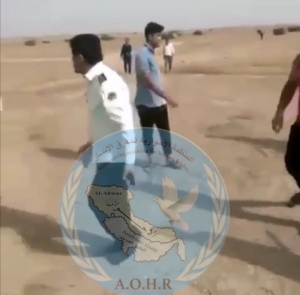
مدينة عبدالخان و مصادرة اراضيها الزراعية دون اي توجيه او حق قانوني
نيسان/أبريل 26, 2020نقل شهود عيان من مدينة عبدالخان التابعة لمدينة السوس ان محكمة الثورة التابعة للحرس الثوري الايراني في هذه المدينة اصدرت حكمأ ينص على مصادرة الاراضية الزراعية من ممتلكيها العرب الى السطات الايرانية دون اي توجيه قانوني او موافقة من ممتلكيها.
و شهدت المدينة اشتباكات بين الاهالي من جهة و جنود من الامن و الحرس الثوري من جهة اخرى ما أدى الى جرح عدد من المواطنين الأحوازيين و نقلهم الى المستشفى.
و تأتي هذه الخطةمن ضمن مخطط تغيير التركيبة السكانية العربية في الأحواز للقضاء على الاغلبية العربية و جلب المستوطنين الفرس لهذه الديار.
و تحرم القوانين الدولية تهجير السكان الاصليين من اراضيهم قسرأ و لكن السلطات الايرانية قامت بتهجير عشرات الالاف من العوائل الأحوازية من الريف و القرى تحت غطاء مشاريع وطنية منها مشاريع قصب السكر و مشاريع تربية الاسماك و لكن في حقيقة الامر انها مشاريع سياسية تستهدف التركيبة السكانية العربية في الأحواز.
https://www.youtube.com/watch?v=0OfK8zYv5pY
المنظمة الأحوازية لحقوق الانسان
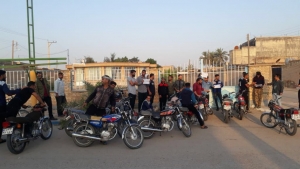
احتجاجات شبابية في قريتي الشعيبية و كعب بيت جريم على عدم توظيفهم في شركات قصب السكر
نيسان/أبريل 26, 2020شهدت قريتي الشعيبية التابعة لمدينة تستر و قرية كعب بيت جريم التابعة لمدينة السوس احتجاجات شبابية عل عدم التوظيف شباب هذه المناطق في شريكات قصب السكر الواقعة بالقرب من تلك القريتين.
و استنكر المحتجون مخطط التوظيف التي تنتهجه مديرية تلك الشركات بتوظيفها مستوطنين من مناطق اخرى و توزيع دعايات في مدن ايرانية اخرى للتوظيف و فرص العمل في هذه الشريكتين دون الاعتناء او الالتفات الى سكان هذه القرى و المناطق المجاورة.
و تأتي هذه الخطة في ضمن مخطط سياسة التفقير و التي تضع المواطن الأحوازي في ظروف معيشية صعبة حرمها القانون الدولي و الانساني تريد من خلالها السلطات الايرانية تفقير الشعب و تهجيره من تلك الاراضي.
المنظمة الأحوازية لحقوق الإنسان
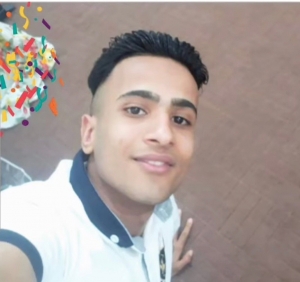
إعتقال قاصر أحوازي اخر يبلغ من العمر 16 عامأ فقط
نيسان/أبريل 26, 2020في اطار حملة الاعتقالات العشوائية التي شنتها منذ اسابيع وطالت عدد من الأحوازيين بين نشطاء و أدباء و عدد اخر¸اعتقلت قوات الامن الايرانية مواطن قاصر أحوازي اخر لايتجاوز عمره ال 16 عامأ يوم الخميس الماضي الموافق 23 من هذا العام في مدينة الأحواز العاصمة.
و اشأرت التقارير الأحوازية ان قوات الامن و الاستخبارات الايرانية قامت بنقل المواطن حسين جلداوي الى مكان مجهول دون ان تبلغه عن اسباب ذلك الاعتقال.
و بالرغم من الاحتجاجات الاخيرة التي شهدها عدد من السجون في الأحواز و المناشدات الدولية بمطالبة السلطات الايرانية بالافراج عن السجناء و المعتقلين خوفأ على حياتهم من انتشار وباء الكورونا الا ان السلطات الايرانية مازالت مستمرة بحملتها العشوائية لا اكبر عدد ممكن من المواطنين الأحوازيين داخل السجون بغية زرع الرعب و الخوف و الارهاب في الشارع الأحوازي.
و في الوقت الذي ينص البند اول و الثاني للمادة التاسعة من قانون العهد الدولي الخاص بالحقوق المدنية و السياسية على :
حق الفرد في الحرية وفى الأمان على شخصه ولا يجوز توقيفه أو اعتقاله تعسفا ولا يجوز ايضأ حرمان أحد من حريته إلا لأسباب ينص عليها القانون وطبقا للإجراء المقرر فيه ، بما في ذلك يتوجب إبلاغ أي شخص يتم توقيفه بأسباب هذا التوقيف لدى وقوعه كما يتوجب إبلاغه سريعا بأية تهمة توجه إليه ، الا ان السلطات الايرانية لم تلتزم بعد بتعهداتها القانونية ، الامر الذي يعد انتهاكأ صارخأ لتلك القوانين .
المنظمة الأحوازية لحقوق الإنسان
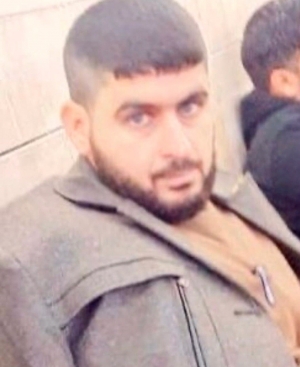
اعتقال المواطن الأحوازي سجاد عطشاني
نيسان/أبريل 26, 2020داهمت قوات الامن و الاستخبارات الايرانية يوم الثلاثاء الماضي الموافق ل 21 من ابريل هذا العام بيت المواطن سجاد عطشاني في مدينة الحميدية دون ذكر اسباب الاعتقال.
و ذكرت مصادرنا ان قوات الامن الايرانية قامت بضرب المواطن و اهانته اثناء اعتقاله و نقلته الى مكان غير معلوم .
و صرح احد اقارب المعتقل ان سجاد و الذي يبلغ من العمر 30 عامأ هو متزوج و لديه طفلان و لكننا و بالرغم من الجهود الحثيثة لم نتعرف بعد على مكان اعتقاله أو اسباب ذلك الاعتقال و لذلك نطالب بالافراج الفوري عنه خوفأ من وباء الكورونا الذي ايضأ اجتاح السجون في ايران.
و تناشد المنظمة الأحوازية لحقوق الإنسان المنظمات الدولية بالضغط على السلطات الايرانية للأفراج الفوري عن كافة السجناء خوفأ على ارواحهم.
المنظمة الأحوازية لحقوق الإنسان
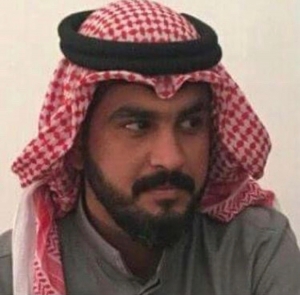
اعتقال المواطن عبدالسلام عثماني في ذكرى الاحتلال في مدينة معشور
نيسان/أبريل 26, 2020اعتقل المواطن عبدالسلام عثماني الملقب ب ابا طه يوم الاثنين الموافق ل 20 من ابريل على يد القوات الامنية و الاستخبارات الايرانية بعد مداهمة بيته دون اي ترخيص رسمي من الجهات القانونية و المعنية.
و يأتي هذا الاعتقال تزامنا مع احياء ذكرى ال 95 على النكبة التي تمر بها بلاد الأحواز بعد انهيار اخر حكم عربي شرعي فيها على يد الحكم البهلوي في بلاد فارس انذلك (ايران اليوم ).
و بالرغم من المناشدات و الجهود التي بذلها ذوي المعتقل لمعرفة اسباب الاعتقال و مكانه الا ان الجهات الامنية الايرانية امتنعت عن كشف اية معلومة حول هذا الامر و هو مايتنافى تمامأ مع القوانين الدولية و الانسانية و التي تنص على مايلي :
ـ لكل فرد حق في الحرية وفى الأمان على شخصه ولا يجوز توقيف أحد أو اعتقاله تعسفا ولا يجوز حرمان أحد من حريته إلا لأسباب ينص عليها القانون وطبقا للإجراء المقرر فيه.
ـ يتوجب إبلاغ أي شخص يتم توقيفه بأسباب هذا التوقيف لدى وقوعه كما يتوجب إبلاغه سريعا بأية تهمة توجه إلي . ( المادة التاسعة من قانون العهد الدولي الخاص بالحقوق المدنية و السياسية).
المنظمة الأحوازية لحقوق الإنسان
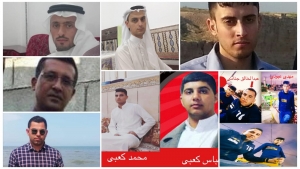
Dozens of Ahwazis arrested On 95th anniversary of Iran occupation of Al-Ahwaz
نيسان/أبريل 22, 2020Iranian intelligence forces arrested dozens of Ahwazi citizens from different cities prior to the 95th anniversary of Iran occupation of Al-Ahwaz and transferred them to unknown location. Here is the names of some of the detainees: Uday Khanfara (resident of Al-Falahiya city) arrested on 09.04.2020
Ali Reza Krooshat Bin Abdulaziz (Cultural activist, holds master’s degree in law)
Zia Karoushat Bin Faisal( Cultural activist) arrested on 05.04.2020
Abd al-Khaleq Janami bin Jadir (resident of Al-Falahiya city, 29 years old) arrested on 10.04.2020
Mahdi Aboudi bin Razzaq (resident of Al-Falahiyah city, 16 years old) arrested on 10.04.2020
Mohamed Bouadar ( civil and cultural activist) arrested on 16.04.202
Hussein Shamani (residents of Koura city, 35 years old) arrested on 09.04.2020
Karim Dahlawi (residents of Koura city)
Abbas Al-Kaabi
Mohammed Al-Kaabi
Each year prior to the anniversary of the occupation of Al-Ahwaz, the Iranian authorities lunches a campaign of raids and arrests dozens of Ahwazis. Threatening hundreds of others through phone calls not to move or participate in any cultural and literary occasion. The Ahwaz Organization for Human Rights calls on the Iranian authorities to disclose the reasons for their arrest and the location of their detainees and allow their families to visit them.
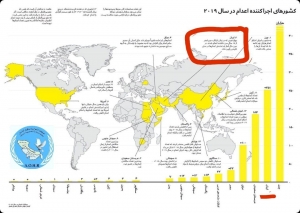
ایران نسبت به جمعیت خود مقام اول جهانى در اجرای مجازات اعدام را دارد
نيسان/أبريل 22, 2020 براساس گزارش ساليانه سازمان عفو بین الملل در مورد اعدامهاى سال 2019 ، ایران نیز در رده بندی لیست سیاه کشورهایی که به دلیل جمعیت خود مجازات اعدام را انجام می دهند ، در رده اول قرار گرفت.
این سازمان در گزارش سالانه خود که ساعاتی پیش صادر شده اظهار داشت که مقامات ایرانی بیش از 251 شهروند از جمله 4 نوجوان را در شرایط بطور مخفي در سال 2019 اعدام کردند.
در مورد روشهای محاکمه و حقوق زندانیان ، این سازمان تأکید کرده است که مقامات ایران احکام را بدون هیچ محاكمه عادلانه ، علنى و شفاف اجرا کرده اند ، به ویژه از ممنوعیت زندانیان در تعیین وکیل برای دفاع از خود ، که این نقض آشکار قوانین بین المللی است.
این سازمان اظهار داشت که در میان اعدام شده ها 4 نوجوان زير 18 سال اعدام شده ، آنها سالها پیش دستگیر و زندانی شده بودند ، اما مقامات این جنایت را علیه آنها اجرا كرده اند.
انتظار می رود که تعداد واقعی اعدام شده ها در سال گذشته در ایران از عدد ذکر شده در بالا فراتر بوده است ، زیرا مقامات ایرانی هنوز شماره واقعی را اعلام نمى كنند ، ط بیشتر این اعدام شده ها فرزندان مليتهاى غیر فارس هستند که زندانی سياسي و مذهبى هستند.
سازمان احوازی حقوق بشر تأیید می کند که امار حقيقى اعدام در ایران فراتر از آنچه مقامات ایران اعلام کرده اند مى باشد.
دبيل عدم افشاى امار درست اعدامعا در ايران ترس از فشارهای بین المللی که خواستار لغو مجازات اعدام در ایران، همچنين احترام به حقوق زندانیان با انجام محاکمات منصفانه ، علنى و شفاف است.
ههمچنين سازمانهاى حقوق بشر جهانى خواستار لغو تحت شكنجه قراردادن زندانيان جهت گرفتن اعتراف مى باشد كه حكومت ايران پايبند به اين قوانين نيست.
و
سازمان احوازی حقوق بشر در گزارش سالانه خود - لیستی بیش از 50 شهید - درباره تعداد شهدای احوازی که در زندانها به طور پنهانی یا دستگیری آنها در حالی که در اعتراضات مسالمت آمیز سال گذشته در شهرهای احوازی بودند اعدام شده اند، را منتشر کرد.
سازمان احوازی حقوق بشر