


Iranian Supreme Court Upholds Unjust Death Sentences Against Three Ahwazi Activists, Including Teacher Alireza Mardasi
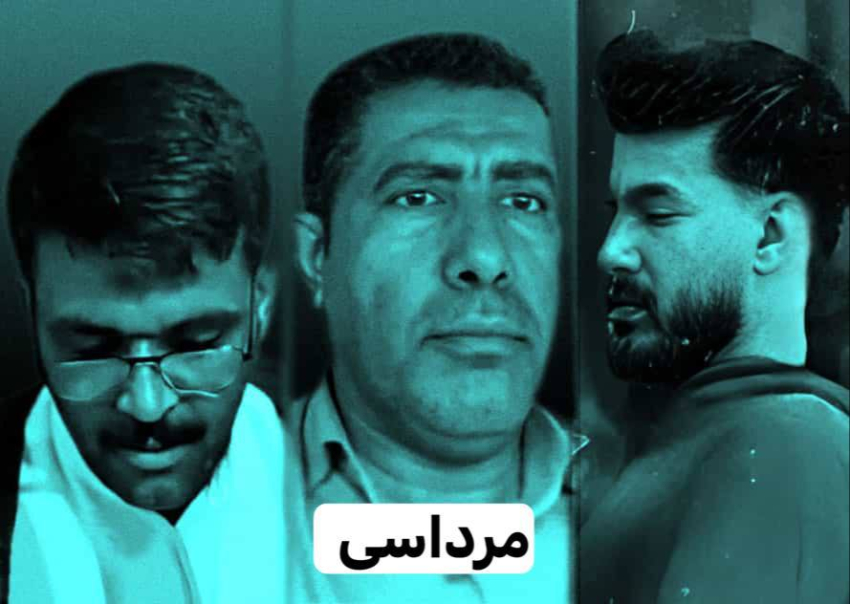
The Alahwazi Organization for Human Rights (A.O.H.R.) has learned that the Iranian Supreme Court recently upheld the death sentences issued against three Ahwazi political detainees held in "Sheiban" Prison in the city of Ahwaz. This dangerous new escalation reflects the continuation of the systematic policy of repression and political trials completely lacking the minimum standards of justice. The detainees are:
-
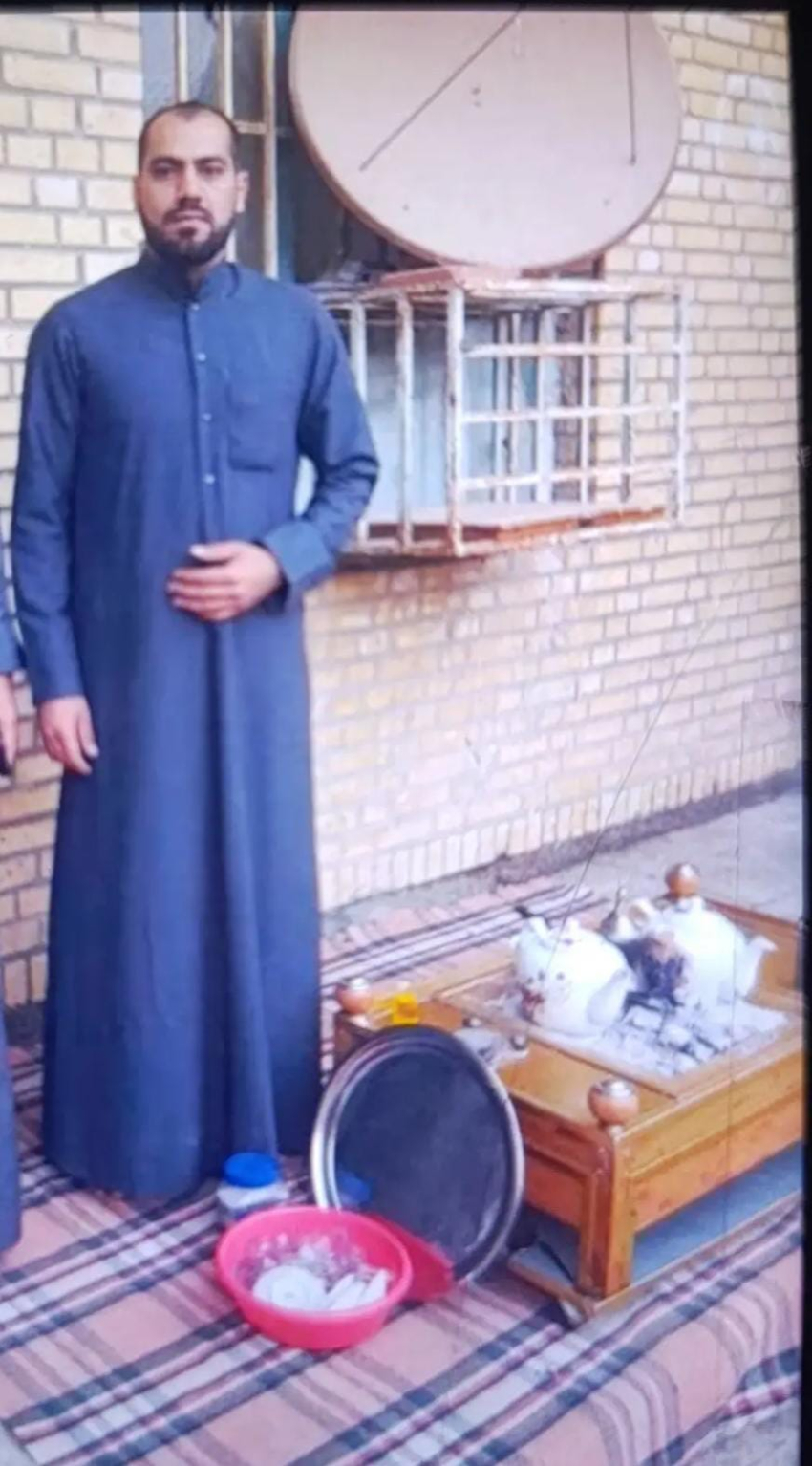
Alireza Mardasi (Hamidawi) – Teacher and cultural activist.
-
Masoud Jamei.
-
Farshad Etemadifar.
The confirmation of the death sentence against the educator Alireza Mardasi (Hamidawi), who spent long years of his life serving the educational sector, has sparked a massive wave of condemnation and anger within cultural, educational, and social circles, as this ruling represents a direct targeting of the intellectual and educational elite.
Previously, the First Branch of the Revolutionary Court in Ahwaz, presided over by Judge "Adibi Mehr," had sentenced Mr. Mardasi to a double death penalty in addition to one year in prison, based on broad, politicized, and prefabricated charges including: "Corruption on Earth" (Mfsad fil-Arz), "Membership in anti-regime groups" (Baghi), and "Propaganda against the regime."
Legal Dimension of the Sentences Under International Law
The Alahwazi Organization for Human Rights (A.O.H.R.) emphasizes that these sentences issued and upheld by the Iranian judiciary constitute a blatant and grave violation of international covenants and treaties ratified by Iran, which are legally binding upon it, specifically:
-
Violation of the Right to Life (Article 6 of the International Covenant on Civil and Political Rights - ICCPR): Which states: "No one shall be arbitrarily deprived of his life." UN human rights committees confirm that imposing the death penalty following unfair trials or based on broad political charges such as "Corruption on Earth" is an arbitrary deprivation of the right to life that amounts to an extrajudicial execution.
-
Deprivation of a Fair Trial (Article 14 of the ICCPR): Which guarantees everyone the right to a public and fair hearing by a competent, independent, and impartial tribunal. The absence of independent lawyers, the use of vague charges, and secret trials behind closed doors in Revolutionary Courts deal a fatal blow to this article.
-
The Right to Freedom of Opinion and Expression (Article 19 of the ICCPR): Levents charges of "Propaganda against the regime" against the educator Alireza Mardasi and his colleagues is a direct violation of individuals' right to express their political and cultural views without fear of prosecution or physical liquidation.
-
Prohibition of Torture and Coerced Confessions (Article 7 of the ICCPR): Which clearly prohibits subjecting anyone to torture or cruel and degrading treatment. The rulings of Revolutionary Courts in Iran are frequently built upon "confessions" extracted under psychological and physical pressure in solitary confinement cells, which invalidates the international legitimacy of any judicial verdict.
The Organization's Demands
The Alahwazi Organization for Human Rights (A.O.H.R.), while condemning these repressive and unjust sentences in the strongest possible terms, underscores the following:
-
The trials to which the three detainees were subjected glaringly lacked the standards of a fair trial and took place while they were deprived of basic legal rights and independent defense.
-
The organization calls upon the international community, the UN Special Rapporteur on the situation of human rights in Iran, and global human rights organizations to intervene immediately and exert urgent pressure on the Iranian authorities to halt the execution of these unjust sentences and to annul them unconditionally.