


هطول امطار رمادية اللون بسبب حرق مزارع قصب السكر في مدينة تستر يهدد حياة المواطنين الأحوازيين
آذار/مارس 14, 2013ذكرت مصادر من مدينة تستر ان حرق مزارع قصب السكر في مدينة تستر و قرية الشعيبية سبب تلوثأ بيئيأ ملحوظأ يهدد حياة الالاف من المواطنين الأحوازيين بعد هطول امطار رمادية اللون منذ صباح يوم الاربعاء الموافق ل 13.03.2013.
و تأتي هذه المرحلة بعد حصاد تلك المزارع التي تغطي مساحة شاسعة من الاراضي الزراعية الخصبة التي استولت عليها السلطات الايرانية بشكل غير شرعي منذ أعوام و قامت بتهجير ممتلكيها الاصليين من المواطنيين الأحوازيين العرب.
و في الوقت الذي تشير تقارير منظمة الاغذية و الزراعة العالمية الى ان 1 ضمن 6 من الذين يعيشون على هذا الكوكب يموت جوعأ نتيجة لسوء التغذية ؛تستطيع الأحواز ان تساهم بشكل كبير في مساعدة المجتمع الدولي في محاربة المجاعة اذا مااستغلت هذه الاراضي لزرع الرز و القمح و النخيل (التمور) و الخضروات و هذا مايحتاجه عالمنا الثالث.
و لكن السلطات الايرانية و التي تخطط لتغيير التركيبة السكانية العربية في المنطقة ؛ قامت منذ عقود بالاستيلاء على هذه الاراضي و التي تصل مساحتها الى 900,000 هكتار زورأ و بهتانأ و ذلك بحجة مشروع زرع قصب السكر؛ بالرغم من علم هذه السلطات بأن هذه الاراضي هي غير صالحة اطلاقأ لهكذا مشاريع والتي وصفها بعض من الشخصيات السياسية الايرانية بأنه مشروع سياسي بالاضافة الى الدراسات العلمية التي قام بها العديد من الخبراء في مجال الزراعة و التي تشير الى الاضرار الاقتصادية الباهضة السنوية التي تصل الى مئات المليارات الدولارات و التلوث البيئي الذي أدى الى حياة العديد من المواطنيين الأحوازيين هذا من جانب و ارتفاع عدد البطالة في المدن الأحوازية و احصائية الادمان و الجرائم في المجتمع الأحوازي من جهة اخرى.
المنظمة الأحوازية لحقوق الانسان
14.03.2013
فرض عقوبات على مؤسسة حكومية ايرانية و تسعة مسؤوليين من ضمنهم قاضيين في محكمة الثورة الايرانية في الأحواز
آذار/مارس 13, 2013عقد وزراء الخارجية لدول الاتحاد الاوروبي برئاسة وزير الخارجية الايرلندي ايمون غيلمور اجتماعأ في يوم الاثنين الموافق 11.03.2013 حول وضع حقوق الانسان في ايراني بناءً على التقرير الذي قدمه المسؤول الاممي الخاص بملف حقوق الانسان في ايران السيد احمد شهيد الى مجلس حقوق الانسان في يوم الجمعة 01.03.2013.
و أكد احمد شهيد في تقريره الذي اعده في 77 صفحة الى احصائية الاعدامات في ايران لعام 2012 و التي شملت 487 سجينأ سيما الاعتقالات العشوائية و اضطهاد ابناء الشعوب الغير فارسية و الحريات الدينية.
و جاء في هذا التقرير الانتهاكات التي ارتكبت بحق السجناء الأحوازيين العرب و سجناء من الشعبين الكردي و الازري و بعض من النشطاء من القومية الفارسية بالاضافة قمع حريات الدينية.
و شمل قرار وزارء الخارجية للاتحاد الاوروبي ،تسعة (9) من المسؤولين الايرانيين بالاضافة الى مؤسسة فتا المشرفة على مراقبة الشبكة العنكبوتية ؛ لانتهاكهم حقوق الانسان في ايران حتى يصل عدد المسؤولين الايرانيين الذين فرض عليهم الاتحاد الاوروبي عقوبات منع السفر الى دول الاتحاد و تجميد ارصدتهم و حساباتهم المصرفية الى 87 مسؤولأ .
و اما قائمة المسؤولين التسعة و المؤسسة الحكومية الايرانية التي شملتهم هذه العقوبات الجديدة هي كالتالي:
1.علي اشرف رشيدي اقدم ،المشرف على سجن افين و الذي تشير التقارير الى الوضع السيئ في سجن افين منذ توليه هذه المسؤولية و تفتيش النساء السجينات جسديأ من قبل المشرفين في هذا السجن.
2.مرتضى كياستي قاضي الشعبة الرابعة في محكمة الثورة الايرانية في الأحواز و الذي حكم بالاعدام على اربعة مواطنين عرب في عام 2012 .
3.محمد باقر موسوي ،قاضي الشعبة الثانية في محكمة الثورة الايرانية بالأحواز و الذي حكم على خمسة مواطنين عرب بالاعدام.
4.محمد سرافراز ،مدير قسم الدولي في الاذاعة و التلفزيون الايراني و رئيس قناة برس تي في القسم الانجليزي و الذي قام ببث اعترافا مفبركة من المحكوم عليهم بالاعدام و منهم الأحوازيين الاربعة الذين تم اعدامهم في يونيو 2012 و ايضأ السجناء الخمسة الاخوازيين و المحكوم عليهم بالاعدام.
5.حميد رضا عمادي ،رئيس غرفة الأنباء في قناة برس تي في الايرانية و الذي ساهم في بث الاعترافات المفبركة للسجناء الأحوازيين و سجناء اخرين و منهم الصحفيين و السياسيين و النشطاء من الشعوب الغير فارسية.
6.اسدالله جعفري .النائب العام لمحافظة مازندران و الذي قام باعتقال غير مبرر لعدد من الطائفة المندائية و تعذيبهم في السجون بطريقة تنافي القوانين الانسانية.
7.رضا موسوي تبار ،المدير العام لمحكمة الثورة في مدينة شيراز عاصمة محافظة فارس و الذي قام باعتقال الصحفيين و المراسلين و النشطاء في مجال حقوق الانسان من المندائيين و تعذيبهم بطريقة وحشية.
8.رحيم حملبر ،قاضي في الشعبة الاولى في محكمة الثورة في مدينة تبريز و الذي قام باصدار احكام غير عادلة و منافية على مراسلين و نشطاء من الشعب الازري.
9.عبدالصمد خرم ابادي ،مدير و مشرف على الانترنت في ايران
مؤسسة الفتا أو شرطة الانترنت و التي قامت بمراقبة الانترنت و وضع كامرات خفيه في محلات الانترنت .
و ترحب المنظمة الأحوازية لحقوق الانسان بقرار وزراء الاتحاد الاوروبي و ذلك من أجل تحقيق الحريات الفكرية و العقائدية و السياسية لكافة ابناء الشعوب في ايران.
Dr. Shaheed's speech at the 22nd session of the UN Human Rights Council
آذار/مارس 12, 2013Mr. President, Distinguished Ladies and Gentleman
Today I wish to report that I have met with Iranian officials last week in furtherance of what I believe is an evolving engagement with the Government. I believe discussions in this meeting will possibly advance steps for future engagement, which would allow for the Government to address issues raised by me in the coming months if my mandate is renewed. I consider this new approach to be positive, and believe that this development is the result of the constructive work and efforts of the members of the UN Human Rights Council.
Mr. President,
I continue to believe that the outcome of Iran’s universal periodic review provides a sound platform for both engagement and assessment of the Government’s progress in promoting respect for human rights in the country. A majority of the 123 recommendations accepted by the Government relate to concerns about civil and political rights; social, economic and cultural rights; and concerns about discrimination. My methodology, therefore, endeavors to assess progress made in these areas, and is aimed at identifying obstacles to the Government’s capacity to meet its international human rights obligations.
In pursuit of this objective, I have interviewed 268 individuals since March 2012, 169 of which were interviewed for my current report. I have also followed a wide range of developments reported in both the Iranian and international press; reviewed dozens of statements and reports issued by the Iranian Government, including its third periodic report to the Committee on Economic and Social Rights; and examined dozens of reports produced by a number of nongovernmental organizations, 17 of which are cited in the footnotes throughout my current report.
The Islamic Republic of Iran has made some noteworthy advances in the area of women’s rights. This includes advancements in health, literacy and in enrollment rates on both the primary and secondary levels. The Iranian parliament has also recently extended maternity leave from six to nine months, and the New Islamic Penal Code -- which has not yet been adopted by the Iranian government -- would establish a fund to equalize “diya,” or blood money payments from for both genders in case of accidental injury or death. However, reports about recent policies that prohibit women’s access to a number of fields of study, further restrict women’s freedom of movement, and current polices that continue to impede women’s ability to hold certain decision-making positions in Government remain problematic.
In light of the aforementioned interviews and submissions, it also appears that the prevailing situation of human rights in Iran continues to warrant serious concern, and will require a wide range of solutions that are both respectful of cultural perspectives and mindful of the universality of fundamental human rights promulgated by the treaties to which Iran is a party. I further regret to inform the Council that two reprisal cases were reported in the media in November and December 2012. In one case, reports have maintained that five Kurdish prisoners located in Orumiyeh Prison have been charged with “contacting the office of the Special Rapporteur”, among other charges. These prisoners were reportedly interrogated and severely tortured for the purpose of soliciting confessions about their alleged contact with me. In its observations of my report, the Iranian government has maintained that judicial prosecution of these individuals is not considered to be an act of reprisal. However, I continue to maintain that the targeting of individuals, whether through adjudication in a court of law, or by an individual in his/her private capacity for interaction with the UN Special procedures constitutes an act of reprisal and seriously undermines the work of the UN human rights instruments.
Unfortunately, a preponderance of reports communicated to me this past year indicate that the situation for individuals in Iran who advocate for the advancement of human rights, or those that document, report, or protest against human rights violations is grave and continues to deteriorate. Interviews continue to impart that a majority of human rights defenders, including those that defend the rights of women, religious and ethnic minorities, as well as those that work to advance protections for the environment, workers and children continue to be subjected to harassment, arrest, interrogation, and torture and are frequently charged with vaguely-defined national security crimes, which is seemingly meant to erode the frontline of human rights defense in the country.
My current report also presents what appears to be unimpeachable forensic evidence that torture is occurring in Iran on a geographically widespread and systemic (across a number of government branches) basis, and that methods applied to victims are done so systematically, as similar methods re-appear in multiple testimonies submitted by individuals in cities across the country, and by individuals that have recently relocated from Iran to various countries around the globe. In its observations to my current and past reports, the Iranian government has asserted that both Iranian and Islamic law prohibit torture, and therefore allegations of torture in Iran are invalid. However, I continue to insist that the existence of these legal safeguards does not in itself invalidate allegations of torture, and does not remove the obligation to thoroughly investigate such allegations. I also remain alarmed at the high rate of executions that take place in Iran, a majority of which continue to take place for drug-related offenses, which do not meet international standards for "most serious crimes".
Mr. President,
I joined the independent expert on freedom of opinion and expression, human rights defenders, and the Chair-Rapporteur of the Working Group on arbitrary detention on last month in calling on Iran to immediately halt the recent spate of arrests of journalists and to release those already detained, the majority of whom work for independent news outlets. We underscored our fear that the arrests carried-out were part of a broader campaign to crack-down on independent journalists and media outlets, under the accusation that they have collaborated with ‘anti-revolutionary’ foreign media outlets and human rights organizations. Prior to the aforementioned arrests, 45 journalists were detained in Iran.
It is also estimated that some 40 lawyers have been prosecuted since 2009, and that at least 10 are currently detained, including Ms. Nasrin Sotoudeh, Mr. Abdolfatah Soltani, and Mr Mohammad Ali Dadkhah for such crimes as “membership in an association seeking the overthrow of the Government” and “spreading propaganda against the system through interviews with foreign media”.
Furthermore, five Ahwazi Arab men were convicted of among other charges “spreading propaganda against the system” and sentenced to death in connection with their founding of an Arab minority linguistic and cultural organization named “Al-Hiwar.” Reports from multiple sources indicate that all five men were mistreated or tortured while in detention, and that they were not afforded fair trials. I urge the Iranian government to officially halt the execution of these cultural activists, two of whom are teachers, and to take every effort to investigate the aforementioned allegations.
It has also been reported that 110 Baha’is are currently detained in Iran for exercising their faith; that at least 13 Protestant Christians are currently in detention centres across Iran; and that Dervishes, members of the Yarasen faith, and Sunni Muslims continue to be the subject of punitive activities, raising serious concern about the situation of religious minorities in the country.
Last month, I also joined the Chair-Rapporteur of the Working Group on arbitrary detention and the Special Rapporteur on freedom of assembly and association in a statement urging the Iranian government to immediately and unconditionally release former 2009 Presidential candidates Mr. Mehdi Karoubi and Mr. Mir Hossein Mousavi, and hundreds of other prisoners of conscience who remain in prison for peacefully exercising their rights to freedom of opinion and expression, or freedom of association and assembly during protests following the 2009 Presidential election. I further maintain that freedom of expression, assembly and association are essential conditions for the effective exercise of the right to vote and must be fully protected. Reports of statements by Iranian officials issuing warnings against those citizens who call for a ‘free election’ and suggesting these calls are conspiratorial and inimical to the Iranian State undermine the full enjoyment of article 25 which requires “the free communication of information and ideas about public and political issues between citizens, candidates and elected representatives”.
Lastly Mr President,
I wish to express my serious concern about the potentially negative humanitarian effects of general economic sanctions imposed on the Islamic Republic, which are engendered by a number of reports. However, I wish to mention that a number of conflicting statements issued by various officials in the country about the effects of general sanctions have made it difficult to discern the reality of the situation in this regard, and I look forward to constructive and meaningful communications with the Iranian government in order to further investigate this matter and to further engage in dialogue that advances the Government’s efforts to promote respect for human rights in the country
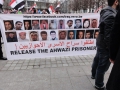
مظاهرة أحوازية عارمة امام البرلمان الاوروبي ؛ تندد بجرائم الاعدام و تطالب بحق تقرير المصير وفقا للقوانين الدولية
آذار/مارس 10, 2013شهدت العاصمة البلجيكية بروكسل مظاهرة أحوازية عارمة في يوم الجمعة الموافق ل 8 مارس 2013 و التي تزامنت مع اليوم المرأة العالمي ؛شارك فيها المئات من الأحوازيين ومن ابناء الشعوب الغير فارسية (الكورد و الازريين) في ايران بالاضافة الى الحضور الملفت للجاليتين السورية و العراقية ؛قادمين من مختلف انحاء دول الاتحاد الاوروبي.
و في الوقت الذي تحتفل نساء العالم بمثل هذا اليوم الا ان المرأة الأحوازية رجحت الحضور في هذه المظاهرة بعزم و أرادة لاثبات وجودها على الساحة الأحوازية و العربية سياسيأ و ثقافيأ معتبرة مصلحة الوطن فوق كل شئ.
و طالب المتظاهرون المجتمع الدولي و دول الاتحاد الاوروبي بتحمل المسؤولية الانسانية و القانونية تجاه ما تقوم به السلطات الايرانية بحق ابناء هذه الشعوب من جرائم ضد الانسانية و اباداة جماعية و التي تنافي القوانين الانسانية و الدولية وحث هذه الدول باتخاذ موقف حازم من ايران .
و جاءت مطالب المتظاهرين كالتالي :
الف:الغاء احكام الاعدام الجائرة الصادرة ضد كافة السجناء السياسيين و النشطاء في المجالات الثقافية.
باء:الغاء ممارسة التعذيب الوحشي (الجسدي و النفسي)على السجناء لاخذ الاعترافات.
تاء:اعطاء الشعوب الغير فارسية حقوقها المدنية و السياسية و الاقتصادية و الاجتماعية و الثقافية.
ثاء:حق تقرير المصير للشعوب الغير فارسية وفقأ للقوانين الدولية.
جيم:انهاء التدخلات الايرانية في العراق و محاسبتها على جرائمها التي ارتكبتها بحق طليعة الشعب العراقي
حاء:انهاء الدعم الايراني لنظام الاسد الاجرامي و وقف هذا الدعم الذي ينافي القوانيين الدولية.
خاء:وقف التدخل الايراني في شؤون الداخلية البحرينة و اليمن و الدول الخليجية العربية
دال:وقف الدعم الايراني للارهاب العالمي و خروقات ايران للقوانين و المجتمع الدولي و ذلك للحصول على القنبلة الذرية.
المنظمة الأحوازية لحقوق الانسان
10.03.2013
لكم جانب من صور هذه المظاهرة:


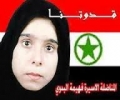
The request to free Ms.Fahimeh Esmaiel Badvi and stop execution of 5 AlAhwaz Arab ethnics
آذار/مارس 07, 2013
The deteriorating health of Ms.Fahimeh Esmaiel Badvi at Yasooj prison of Kohgilouyeh o Boyerahmad province and the execution approval of 5 Arab ethnic prisoners by the Iranian high judiciary court has raised serious concern for all world human right organizations.
The reliable sources have reported the deteriorating health of Ms.Fahimeh Esmaiel Badvi the Arab ethnic prisoner held at the Yasooj Prison with her daughter Selmi who was born at prison.
She was arrested on December 19th, 2005 while being pregnant and with the false accusation of a threat to the national security. She has faced serious physical and mental torture during her prison term at the Yasooj Prison and her husband the martyr Ali Matoori was executed after her arrest on May 7th, 2007 by the Islamic government of Iran.
The reports have also confirmed the serious mental and physical torture of the 5 Arab ethnics with the names of S.Jaber Alboushoke, S.Mokhtar Alboushoke, M.Ali Amori, Hashem Shaebani and Hadi Rashedi whose sentences for execution recently was approved by the Iranian high judiciary court.
The International human rights organizations must take the necessary actions in order to prevent the Iranian government from such actions and the execution of these 5 Arab ethnics. There are also confirmed reports that the government of Iran has set bails between 1 and 2 billion Iranian Rials for many of the Arab ethnics who recently were arrested at the Koot Abdolah district. They are freed temporarily on mentioned bails and are under full surveillance while awaiting their court date appearances at the AlAhwaz revolutionary court.
We must also mentions that the Security forces of Iranian regime have arrested about 25 to 30 Arab ethnics of AlAhwaz while organizing a peaceful demonstration to condemn the execution of the 5 Arab AlAwhazi who are awaiting their execution by the government of Iran
The Al-ahwazi Human Rights Organization
07.03.2013
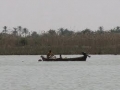
The river of Salij or Ghefas(its name was changed to Bahmanshir river by previous governments) with the length of 80 kilometers , is one of the most important rivers of AlAhwaz province and is a branch of Karoon river. The Salij River by crossing the island of Abadan to the Arabian Gulf covers a large area of the rich and fertile agricultural lands.
The river’s rich drinking water and the presence of many fertile agricultural lands on its shores from the city of Mohamareh (village of Khombeh) all the way to the entrance of Arabian gulf .The river is the major reasons for the establishment of many villages on its shores in the province of AlAhwaz from centuries ago.
The location of villages such as Alhafar, Almoemereh, Alfayazy, Almahyoub, Alsonje, Altereh, Beitmeden, BeitBekhakh (Beitghadim),Alghafas,Almelakeh,Alkhazar,Alsadavieh,Almoghatebe,
Aljoiedeh,Alsalij,Altenka,Alsadat, on the shores of the river with its fertile agricultural land has played a major role in supplying of agricultural products to the markets of AlAhwaz province.But the government of Iran with its prejudice actions toward the Arab ethnics and the purpose to force demographic structural change of this province has directly and indirectly deprived the Arab citizens of AlAhwaz from their social and human rights. The actions of the Islamic government of Iran are inconsistent with the International laws to protect the Arab ethnics from being forced to migrate to other provinces of Iran.
The mentioned villages are deprived of the following essential matters:
1- 1)The reductions of the river capacity and to prevent the Arab ethnic farmers from
work with the main purpose of force migration from their farms.
2) The lack of drinking water storage system for the villagers despite living in the vicinity of the river.
3) The lack of any care and attention by the government of Iran to prevent the environment pollution on the coast and vicinity of the Karoon and Alsalij rivers. The environment pollution on the coast of these rivers are the result of sullage created by the sugar can industries complex(political project), sewages, hospital wastes and the industries in the vicinity of the rivers.
The rising percentage of the salt in the river due to the flow of gulf’s high water into the river and in result the destruction of agriculture and implant of date trees in the region.
The citizens of these villages are deprived from the minimum living standards such as the proper health care centers (hospitals or clinics), and are forced to travel to the cities of Abadan or Ahwaz to receive the minimum health care attention.
The lack of proper schools and training centers for all level of education has resulted in the high illiteracy and school dropout rate for the Arab youth of these areas.
The reasons for the high illiteracy rate are the following:
- The lack of financial capability by families to pay the cost of education and transport to the nearby cities to attend proper schools or training centers.
- The long distance of the villages from the secondary and high schools located in Abadan.
- The lack of transportation for the students.
-The lack of education by the native language of Arabic, and the sole teaching by Farsi in schools.
The Al-ahwazi Human Rights Organization
07.03.2013


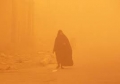
گرد و خاك براى دومين بار در طول هفته آسمان شهرهاى أحواز را پوشاند
آذار/مارس 06, 2013وزش گرد و غبار آسمان شهرهاى احوازرا امروز سه شنبه ٥ فبراير ٢٠١٣ در كمتر از يك هفته براى دومين بار پوشاند كه با نمايان شدن حجم آلودگى هوا به نسبت ٤٥٥٦ ميكروگرم بر متر مكعب ، مسؤلان محلى شهر احواز را بر آن داشت تا مدارس شهر در مقاطع ابتدائي و راهنمائي را تعطيل اعلام كنند .
از سويي ديگرميزان آلودگى در شهرهاى عبادان و بستان و معشور و شهرهاى ديگر در حدود ٤٠٠٠ ميكروگرم بوده كه با گزارشهاى سازمان بهداشت ايران اين ميزان آلودگى در عبادان به رقم ١٠٠٠٠ در روزهاى اخير رسيده بود .
لازم به يادآورى است كه طبق گزارش سازمان جهانى بهداشت در سالهاى اخير احواز آلوده ترين شهر جهان اعلام شده بود و اين در حالى است كه نسبت آلودگى در اين شهر به ٣٧٢ ميكروگرم در متر مكعب رسيده بود و اينك بعد از گذشت يكسال از انتشار اين گزارش اين ميزان آلودگى به رقم ٤٥٥٦ميكروگرم بر متر مكعب در احواز و در عبادان به ١٠٠٠٠ ميكرو گرم رسيده است .
شايان ذكر است كه حد نصاب بين المللى آلودگى هوا بر حسب پارامترهاى سازمان جهانى بهداشت بايد از رقم ٢٠ ميكروگرم تجاوز نكند .
در اين زمينه سازمان أحوازي حقوق بشر پيش بينى ميكند كه در تابستان امسال ميزان آلودگى هوا در شهرهاى محتلف أحواز به٧٠٠٠ تا ١٠٠٠٠ ميكروگرم خواهد رسيد.
با توجه به سياستهاى حكومت ايران در احواز مهمترين عوامل ايجاد آلودگى هوا عبارتند از :
١- ساخت و ساز بى رويه سدها بر روى رودخانه هاى شهر احواز ( به گزارش سازمان أحوازي حقوق بشر در رابطه با ساخت و ساز سدها در احواز رجوع شود .)
٢- انتقال آب پشت سدها با منحرف كردن مجراى آنها و خشكاندن رودها در أحواز.
٣- توسعه پديده بيابان شدن زمينها .
٤-نابودى جنگلها و سوزاندن نخلستانها
٥-جلوگيرى از كشاورزى صاحبان زمينها .
بعضي عوارض ناشي از آلودگى هوا نيز عبارتنداز :
١- مرگ زودرس
٢- عدم تكامل جنين انسان بصورت طبيعي
٣- كاهش وزن نوزادان هنگام تولد
٤-انتشار بيماريهاى سرطانى ، پوستى و كليوى .
٥- آلودگى آب آشاميدنى .
سازمان أحوازي حقوق بشر
٥/٣/٢٠١٣
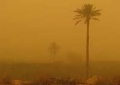
غطت اليوم الثلاثاء الموافق ل 5 فبراير 2013 الذرات الملوثة للهوى سماء مدينة الأحواز العاصمة للمرة الثانية في غضون اقل من اسبوع اذ ارتفعت نسبة التلوث هذه المرة الى 4556 ميكروغرامأ لكل متر مكعب بعد ماكانت في يوم الجمعة الماضي 4550 ميكروغرام و هو الامر الذي دفع السلطات الايرانية الى تعطيل المدارس المسائية الابتدائية و المتوسطة في مدينة الأحواز العاصمة.
و من جهة اخرى شهدت ايضأ مدن عبادان و البسيتين و معشور و مدن أحوازية اخرى نسبة تلوث مرتفعة لاتقل عن 4000 ميكروغرام لكل متر مكعب هذا بالاضافة الى التقارير الايرانية التي تشير الى ارتفاع نسبة التلوث في مدينة عبادان الى 10,000 ميكروغرام في الفترة الاخيرة.
و كانت الأحواز قد احتلت المركز الاول للمدن الاكثر تلوثأ بالعالم بعدماوصلت نسبة التلوث فيها الى 372 ميكروغرامأ و لكن اليوم و بعد مرور عام على تقرير منظمة الصحة العالمية ارتفعت هذه النسبة في الأحواز الى 4556 و في عبادان الى 10,000 ميكروغرام ،في الوقت الذي حد التلوث المسموح به دوليأ يجب ان لايتجاوز ال 20 ميكروغرامأ لكل متر مكعب.
و تتوقع المنظمة الأحوازية لحقوق الانسان ان نسبة التلوث في الأحواز في صيف هذا العام سوف تكون مابين ال 7000 الى 10,000 ميكروغرامأ و ذلك نظرأ الى السياسات التي تنتهجها السلطات الايرانية في الأحواز:
1.بناء السدود المتعددة على الانهر الرئيسية في الأحواز(راجع تقارير المنظمة الأحوازية لحقوق الانسان حول السدود في الأحواز)
2.انتقال المياه المخزونة خلف السدود بتحريف مجراها و تجفيف الانهر
3.اتساع ظاهرة التصحر
4.تدمير الغابات و حرق بساتين النخيل في الأحواز
5.منع المزارعين من الزراعة
اما الكوارث التي تنعكس من وراء هذا التلوث على الانسان و البيئة منها:
1.الوفاة المبكرة
2.عدم نمو الجنين بشكل طبيعي
3.انخفاض وزن الطفل عند الولادة
4.انتشار الامراض السرطانية
4.انتشار الامراض الجلدية
5.انتشار الامراض الكلوية
6.تلوث مياه الشرب
و ....
المنظمة الأحوازية لحقوق الانسان
05.03.2013
The Al-Ahwazi human right organization condemns the prison term sentences for three fellow Ahwazi citizens
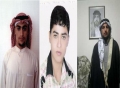
آذار/مارس 04, 2013The Islamic revolutionary court of Tester, Iran on Wednesday February 27th, 2013 has issued the prison term sentences for three Alahwazi Arabs.
The reliable reports confirmed that the court in an unjustifiable trial and without the proper documents or justified reasons has issued the prison term sentences for the three Alahwazi Arabs of the Shaeibieh village subsidiary of Tester with the charges of being a threat to the Iranian national security.
The three Alahwazi citizens were arrested and prisoned following the clashes with the government security and some of the government supporters of the Lor ethnics in an effort to prevent the forcible demographic structure change of Alahwaz by the government of Iran.
The three Alahwaz citizens are as follows:
1- Mr.Abdolmotalab Soleimani, 25 years of age and sentenced to a 15 years prison term. He also spent a three years prison terms in 2008 for the similar accusation.
2- Mr.Adnan Soleimani, 43 years of age and sentenced to a 20 years prison term. He was arrested on June 30th, 2012.
3- Mr.Ayoub Soleimani the son of Mr.Rahim was sentenced to a 5 years prison term. He had not reached the mature age at the time of arrest.
The Islamic Government of Iran for many years in an effort to change the demographic structure of Alahwaz has falsely introduced many economic projects plans such as the sugar plantation development and aquatic projects to force the relocation of Arab ethnics from their villages and also it has confiscated their agricultural land in an area of about 900,000 hectares for the handover to the Lor ethnic government supporters.
The scientific researches has proven that the fertile land of Alahwaz, the rightful property of the Arab ethnics are most favorable for the growth of rice ,wheat, and the variety of vegetable and dates . The lands are not appropriate for the growth of sugar plantations due to the weather conditions of the region and in result it has transformed the lands into a swampland. The projects have no economic or environmental justification and the damage to such valuable lands are by far more than its benefits and some of the Islamic Parliament members have described it as just a political plan.
The Al-Ahwazi human right organization
04.03.2013
سازمان أحوازي حقوق بشر حكم زندان سه هموطن عرب أحوازي را محكوم كرد
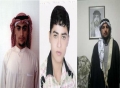
آذار/مارس 03, 2013روز جهارشنبه 27 فوريه 2013 دادگاه انقلاب جمهوري اسلامي ايران در شهرستان تستر حكم زندان سه هموطن عرب أحوازي را صادر كرد.
به گزارش منابع اگاه ، اين دادگاه در يك محاكمه غير عادلانه و بدون ارائه هر گونه مدرك و دليل موجهى حكم زندان بر عليه سه هموطن عرب أحوازي كه همگي از روستاي شعيبية از توابع شهرستان تستر هستند را به اتهام تهديد امنيت ملي صادر كرد .
اين سه هموطن در سال 2012 بعد از درگيريهايي كه بين اهالي عرب ساكن اين روستا با نيروهاي امنيتي و بعضي از خانواده هاي مهاجر لر كه توسط حكومت ايران بر اساس يك سياست شوفينيستي جهت تغيير بافت جميعتي عربها در أحواز اسكان داده مي شود دستگير شده بودند و تاكنون در زندان به سر مي برده اند.
اين سه هموطن عبارتند از:
1. عبدالمطلب سليماني 25 ساله محكوم به 15 سال حبس .او همجنين از سال 2008 مدت سه سال را در زندان به حكم مشابهي در گذرانده بود.
2.عدنان سليماني 43 ساله كه به 20 سال زندان محكوم شد ،او در تأريخ 30 جون 2012 دستگير شده بود.
3.ايوب سليماني فرزند رحيم كه به 5 سال حبس محكوم شد ،او در هنگام بازداشت زير سن قانوني بود.
شايان ذكر است كه حكومت جمهوري اسلامي ايران جهت تغيير بافت جمعيتي عربها در أحواز سالهاست كه به بهانه طرحهاي اقتصادي مثل توسعه كشت نيشكر و برورش ابزيان (ماهيان)اقدام به مهاجرت ساكنان عرب ان روستاها و مصادره زمينهاى كشاورزي انها كه به 900 هزار هكتار مير سد نموده كه بعد از مدتي اين زمينها را به خانواده هاى مهاجر لر واگذار مي كند.
ناگفته نماند كه طبق تحقيات علمي بعمل امده زمينهاي حاصلخيز أحواز كه مالكان اصلي انها عرب أحواز هستند جهت كشت برنج، گندم ، و انواع سبزيجات و نخلهاي خرما مناسبند و كشت نيشكر در اين زمينها تحت هيج شرايطي از لحاظ اب و هوايئ مناسب نيست بطوريكه بعضي از كارشناسان، كشاورزي كشت نيشكر در اين زمينها را به باتلاقي تشبيه كرده كه ضررهاي اقتصادي و محيط زيستي ان هميشه بيشتر از منافع ان بوده است و بعضي ديگر از كانديدهاى مجلس شوراى اسلامى انرا طرحي سياسي توصيف كرده ا ند.
سازمان أحوازي حقوق بشر
03.03.2013