

Alahwazi Organization for Human Rights: Over 2,100 Killed and Hundreds Detained in Iran amid Attempts to Militarize Protests and Media Manipulation
كانون2/يناير 11, 2026The Alahwazi Organization for Human Rights (A.O.H.R) expresses its deep concern over the dangerous escalation taking place in Iran amid ongoing popular protests, accompanied by widespread and systematic human rights violations against peaceful demonstrators.
According to reliable field information and reports obtained by the organization, the death toll has exceeded 2,100 people as a result of the excessive use of force and live ammunition by Iranian security forces. In addition, hundreds of individuals have been arbitrarily arrested, including protesters, human rights activists, and journalists in various Iranian cities, including the Ahwaz region.
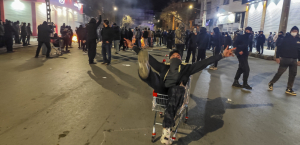
Furthermore, confirmed information received by the organization indicates that Iranian intelligence and security agencies are deliberately working to militarize peaceful demonstrations by deploying armed security personnel disguised in civilian clothing among protesters. These elements reportedly open fire, loot banks, and set fire to or vandalize government institutions in a calculated effort to create chaos.
The organization affirms that such actions aim to provide pretexts for security forces and the Islamic Revolutionary Guard Corps (IRGC) to violently suppress the protests and to distort their peaceful nature before both domestic and international public opinion.
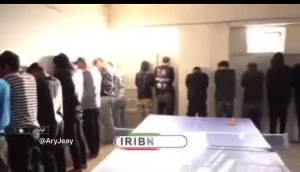
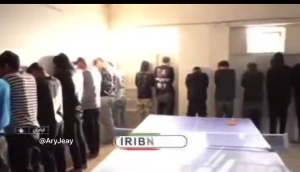
In the same context, the organization has documented that the semi-official Fars News Agency has broadcast so-called “confessions” by a number of detainees arrested in several Iranian cities, including cities in the Ahwaz region. The organization confirms that these confessions were extracted under physical and psychological torture, and under unlawful detention conditions, constituting a blatant violation of fair trial standards and international conventions that strictly prohibit torture in all its forms.
The Ahwazi Organization for Human Rights stresses that the broadcasting of forced confessions by official or semi-official media outlets constitutes a serious legal and moral crime, and represents an attempt to defame detainees and justify the ongoing security crackdown. The organization holds the Iranian authorities fully responsible for the safety and well-being of all detainees.
The Alahwazi Organization for Human Rights calls for:
-
An immediate halt to the use of violence and live ammunition against protesters;
-
The unconditional release of all individuals detained in connection with the protests;
-
An immediate cessation of broadcasting forced confessions extracted under torture;
-
The launch of an independent and transparent international investigation into the killings and violations;
-
Accountability for all perpetrators, without impunity.
The organization further urges the United Nations, the Human Rights Council, and international human rights organizations to take urgent action, dispatch independent fact-finding missions, and adopt effective measures to protect civilians and detainees in Iran.
Alahwazi Organization for Human Rights (A.O.H.R)
المنظمة الأحوازية لحقوق الإنسان: أكثر من 2100 قتيل ومئات المعتقلين في إيران وسط محاولات لعسكرة المظاهرات وتشويهها إعلاميًا
كانون2/يناير 11, 2026أعربت المنظمة الأحوازية لحقوق الإنسان عن بالغ قلقها إزاء التصعيد الخطير الذي تشهده إيران في ظل الاحتجاجات الشعبية المستمرة، وما يرافقها من انتهاكات جسيمة وممنهجة لحقوق الإنسان بحق المتظاهرين السلميين.
وبحسب معلومات وتقارير ميدانية موثوقة حصلت عليها المنظمة، فقد تجاوز عدد القتلى 2100 شخص نتيجة الاستخدام المفرط للقوة والرصاص الحي من قبل القوات الأمنية، إضافة إلى مئات حالات الاعتقال التعسفي التي طالت متظاهرين ونشطاء حقوقيين وصحفيين في عدد من المدن الإيرانية، بما في ذلك إقليم الأحواز.
كما تفيد معلومات مؤكدة لدى المنظمة بأن دائرة الاستخبارات والأجهزة الأمنية الإيرانية تعمل على عسكرة المظاهرات السلمية، من خلال زج عناصر أمنية مسلحة متنكرة بالزي المدني بين صفوف المتظاهرين، تقوم بإطلاق النار، ونهب بعض البنوك، وإحراق أو تخريب عدد من الدوائر الحكومية، في محاولة متعمدة لخلق حالة فوضى تُستخدم لاحقًا كذريعة لتدخل قوات الأمن والحرس الثوري وقمع المحتجين بعنف.
وفي السياق ذاته، رصدت المنظمة قيام وكالة فارس شبه الرسمية ببث ما سمّته “اعترافات” لعدد من المعتقلين، تم توقيفهم في مدن إيرانية مختلفة، بما في ذلك مدن إقليم الأحواز. وأكدت المنظمة أن هذه الاعترافات انتُزعت تحت وطأة التعذيب الجسدي والنفسي، وفي ظروف احتجاز غير قانونية، في انتهاك صارخ لمبادئ المحاكمة العادلة والمواثيق الدولية التي تحظر التعذيب بكافة أشكاله.
وشددت المنظمة على أن بث الاعترافات القسرية عبر وسائل الإعلام الرسمية أو شبه الرسمية يُعد جريمة قانونية وأخلاقية، ويشكّل محاولة لتشويه سمعة المعتقلين وتبرير القمع الأمني، محمّلةً السلطات الإيرانية المسؤولية الكاملة عن سلامة المعتقلين.
وطالبت المنظمة الأحوازية لحقوق الإنسان بـ:
-
الوقف الفوري لاستخدام العنف والرصاص الحي ضد المتظاهرين،
-
الإفراج غير المشروط عن جميع المعتقلين على خلفية الاحتجاجات،
-
وقف بث الاعترافات القسرية المنتزعة تحت التعذيب،
-
فتح تحقيق دولي مستقل وشفاف في عمليات القتل والانتهاكات،
-
ومحاسبة جميع المتورطين دون إفلات من العقاب.
كما دعت المنظمة الأمم المتحدة، ومجلس حقوق الإنسان، والمنظمات الحقوقية الدولية إلى التحرك العاجل، وإرسال لجان تقصّي حقائق مستقلة، واتخاذ إجراءات عملية لحماية المدنيين والمعتقلين في إيران.
المنظمة الأحوازية لحقوق الإنسان
Amnesty International:Iran: Internet shutdown hides violations in escalating deadly crackdown on protesters
كانون2/يناير 11, 2026Following an internet and telecommunications blackout imposed by Iranian authorities on 8 January 2026, as nationwide protests intensified since erupting on 28 December 2025, Rebecca White, researcher at Amnesty International’s Security Lab, said:
“The Iranian authorities have once again deliberately blocked internet access inside Iran to hide the true extent of the grave human rights violations and crimes under international law they are carrying out to crush the largest nationwide protests since the Woman Life Freedom uprising in 2022. This blanket internet shutdown not only hides human rights violations but amounts to a serious human rights violation in itself.
“Access to the internet is a basic human right and indispensable in times of protest. States have repeatedly used shutdowns as a tool to silence dissent and hide the truth. Internet shutdowns plunge people into digital darkness, blocking those inside the country from receiving information or sharing it with the outside world. This is entirely intentional. It prevents human rights violations, including unlawful killings by security forces, from being documented and perpetuates impunity for these state crimes.
Rebecca White, researcher at Amnesty International’s Security Lab
“Iranian authorities have previously used internet shutdowns to throttle communications and access to information. In November 2019, security forces unlawfully killed hundreds of protesters and bystanders during five days of protests while authorities imposed a near total internet shutdown. The authorities again imposed internet shutdowns during the Woman Life Freedom uprising of September-December 2022 as security forces unlawfully killed hundreds of protesters and bystanders.
“The right to protest extends to digital spaces. Blanket or total internet cuts are inherently disproportionate under international human rights law, and must never be imposed, even in cases of emergency. Iranian authorities must immediately restore full internet access.
“With reports of a rising death toll in Iran, Amnesty International reiterates its calls for urgent global diplomatic action, warning of the risk of further bloodshed amid the internet blackout providing cover for security forces who commit grave violations.”
Background
Since 28 December 2025, Iranian authorities have carried out a violent crackdown on protesters across the country, involving unlawful use of force, firearms and mass arbitrary arrests. The crackdown has resulted in the killing of at least 28 protesters and bystanders, including children, in 13 cities across eight provinces between 31 December 2025 and 3 January 2026. Amnesty International is investigating reports that security forces have intensified their use of unlawful lethal force since imposing the internet shutdown, causing further deaths and injuries.
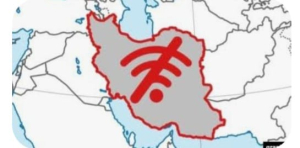
Coupure d’Internet à Ahwaz et dans tout l’Iran : violation grave des droits humains et préparation de crimes potentiels
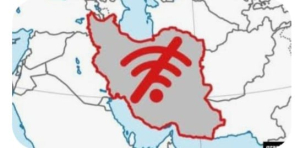
كانون2/يناير 09, 2026L’Association Ahwazienne pour les Droits de l’Homme (A.O.H.R) exprime sa profonde inquiétude face à la coupure totale d’Internet opérée hier par les autorités d’occupation iraniennes à Ahwaz et dans tout l’Iran, une mesure répressive constituant une violation flagrante des droits humains et des libertés fondamentales. Cette action arbitraire vise à priver le peuple d’Ahwaz et la population iranienne en général de leur droit légitime à communiquer et à échanger des informations. Elle constitue une attaque directe contre la liberté d’opinion et d’expression ainsi que contre le droit d’accès à l’information, droits garantis par l’article 19 de la Déclaration universelle des droits de l’homme et le Pacte international relatif aux droits civils et politiques, auquel l’Iran est légalement lié.
Ahwaz occupe une position géopolitique très stratégique dans le Golfe Persique et possède d’importantes ressources énergétiques et pétrolières, ce qui en a fait pendant des décennies le centre de politiques de sécurité et de répression sévères de la part des autorités iraniennes. Depuis le début de la révolution, le 28 décembre 2025, l’Iran a déployé des forces de sécurité à grande échelle dans les villes d’Ahwaz, craignant toute manifestation ou mouvement revendiquant la chute du régime au pouvoir à Téhéran et la restauration des droits de la population autochtone de cette région. Les autorités pensaient que cela intimiderait les citoyens. Pourtant, dans de nombreuses provinces et villes d’Ahwaz, notamment Bushehr, Bandar Jeroon (Bandar Abbas), Ilam, ainsi que les villes d’Abadan, Toster, la capitale Ahwaz et Quneitra, les habitants sont descendus dans les rues pour des manifestations pacifiques. Les forces de sécurité, accompagnées des unités du Bassidj et des services de renseignement, ont tiré à balles réelles sur les manifestants, entraînant plusieurs morts et blessés, ainsi que des dizaines d’arrestations – une violation flagrante des droits humains fondamentaux, de la liberté d’expression et du droit de réunion pacifique.
L’association souligne que la coupure d’Internet ne peut être dissociée de la répression systématique que subissent le peuple d’Ahwaz et le peuple iranien. Les autorités iraniennes recourent à cette mesure à plusieurs reprises comme préalable à la commission de violations graves, notamment la répression des manifestations pacifiques, des arrestations arbitraires massives, l’empêchement de la documentation des crimes et violations, et la dissimulation de l’usage excessif de la force, y compris les exécutions extrajudiciaires. L’association considère que la coupure d’Internet vise à isoler la population du reste du monde et à empêcher que leurs voix parviennent aux organisations de défense des droits humains et aux médias internationaux, augmentant ainsi le danger pour les civils et les manifestants pacifiques.
Selon les normes et traités internationaux, une coupure massive d’Internet constitue une violation grave des droits humains et équivaut à une punition collective interdite par le droit international. Les Nations Unies et leurs rapporteurs spéciaux ont à plusieurs reprises condamné l’utilisation de la coupure d’Internet comme moyen de répression des populations. La suspension de l’Internet pendant les manifestations est illégale et disproportionnée, même si des raisons de sécurité sont invoquées. L’association avertit que si cette mesure s’accompagne de meurtres, d’arrestations ou de tortures systématiques, elle pourrait constituer un crime contre l’humanité selon le Statut de Rome.
L’Association Ahwazienne pour les Droits de l’Homme (A.O.H.R) demande la levée immédiate et inconditionnelle de la coupure d’Internet à Ahwaz et dans tout l’Iran, la garantie de la liberté d’expression et de communication sans restrictions, l’accès libre des organisations de défense des droits humains et des médias à l’information, ainsi que l’ouverture d’une enquête internationale indépendante sur les violations commises et la tenue pour responsables de tous les auteurs de crimes contre le peuple d’Ahwaz et le peuple iranien.
L’association lance un appel urgent aux Nations Unies, au Haut-Commissariat aux droits de l’homme, aux rapporteurs spéciaux sur la liberté d’expression et les exécutions extrajudiciaires, ainsi qu’aux organisations internationales de défense des droits humains, pour intervenir immédiatement afin de protéger le peuple d’Ahwaz et le peuple iranien et de mettre fin aux violations graves qu’ils subissent.
L’Association Ahwazienne pour les Droits de l’Homme (A.O.H.R)
Internetausfall in Ahwaz und im gesamten Iran: Schwere Menschenrechtsverletzung und Vorbereitung potenzieller Verbrechen
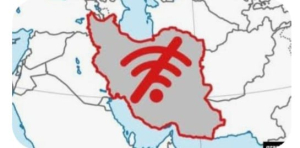
كانون2/يناير 09, 2026Der Ahwazische Verein für Menschenrechte e.V. (A.O.H.R) äußert seine tiefe Besorgnis über die vollständige Internetsperre, die die iranischen Besatzungsbehörden gestern in Ahwaz und im gesamten Iran verhängt haben – eine repressiven Maßnahme, die einen eklatanten Verstoß gegen die Menschenrechte und grundlegende Freiheiten darstellt. Diese willkürliche Maßnahme zielt darauf ab, die Bevölkerung von Ahwaz und die iranische Bevölkerung insgesamt ihres legitimen Rechts auf Kommunikation und Informationsaustausch zu berauben. Sie stellt einen direkten Angriff auf die Meinungsfreiheit und den Zugang zu Informationen dar, Rechte, die durch Artikel 19 der Allgemeinen Erklärung der Menschenrechte und den Internationalen Pakt über bürgerliche und politische Rechte garantiert sind, an den Iran rechtlich gebunden ist.
Ahwaz hat eine strategisch sehr wichtige geopolitische Lage am Persischen Golf und ist reich an Energie- und Ölressourcen, weshalb es über Jahrzehnte hinweg im Fokus strenger Sicherheits- und Repressionsmaßnahmen der iranischen Behörden stand. Seit Beginn der Revolution am 28. Dezember 2025 hat Iran umfangreiche Sicherheitskräfte in den Städten von Ahwaz stationiert, aus Angst vor Protesten oder Bewegungen, die den Sturz des herrschenden Regimes in Teheran und die Wiederherstellung der Rechte der indigenen Bevölkerung dieser Region fordern. Die Behörden glaubten, dies würde die Bürger einschüchtern. Dennoch gingen in vielen Provinzen und Städten von Ahwaz, darunter Bushehr, Bandar Jeroon (Bandar Abbas), Ilam, sowie die Städte Abadan, Toster, die Hauptstadt Ahwaz und Quneitra, die Menschen auf die Straßen zu friedlichen Protesten. Sicherheitskräfte, zusammen mit Basij- und Geheimdiensteinheiten, eröffneten das Feuer auf Demonstranten, was zu mehreren Toten, Verletzten und Dutzenden Festnahmen führte – ein eklatanter Verstoß gegen die grundlegenden Menschenrechte, Meinungsfreiheit und Versammlungsfreiheit.
Die Organisation betont, dass die Internetsperre untrennbar mit der systematischen Unterdrückung der Bevölkerung von Ahwaz und Iran verbunden ist. Die iranischen Behörden greifen wiederholt zu diesem Mittel als Vorbereitungsmaßnahme für schwerwiegende Verstöße, darunter die Unterdrückung friedlicher Proteste, weitreichende willkürliche Festnahmen, das Verhindern der Dokumentation von Verbrechen und Menschenrechtsverletzungen sowie die Vertuschung von exzessivem Gewaltgebrauch, einschließlich außergerichtlicher Tötungen. Die Organisation betrachtet die Internetsperre als Versuch, die Bevölkerung vom Rest der Welt zu isolieren und ihre Stimmen daran zu hindern, Menschenrechtsorganisationen und internationalen Medien zu erreichen, was die Gefahr für Zivilisten und friedliche Demonstranten erhöht.
Nach internationalen Standards und Verträgen stellt ein massiver Internetausfall eine schwerwiegende Menschenrechtsverletzung dar und gilt als verbotene Kollektivstrafe nach internationalem Recht. Die Vereinten Nationen und ihre Sonderberichterstatter haben wiederholt die Nutzung von Internetsperren als Mittel zur Unterdrückung von Bevölkerungen verurteilt. Die Sperrung des Internets während Protesten ist rechtswidrig und unverhältnismäßig, selbst wenn Sicherheitsgründe geltend gemacht werden. Die Organisation warnt, dass, falls diese Maßnahme mit Tötungen, Festnahmen oder systematischer Folter einhergeht, dies nach der Römischen Statutenbasis als Verbrechen gegen die Menschlichkeit eingestuft werden könnte.
Der Ahwazische Verein für Menschenrechte e.V. (A.O.H.R) fordert die sofortige und bedingungslose Aufhebung der Internetsperre in Ahwaz und im gesamten Iran, die Gewährleistung der Meinungs- und Kommunikationsfreiheit ohne Einschränkungen, den freien Zugang von Menschenrechtsorganisationen und Medien zu Informationen sowie die Einleitung einer unabhängigen internationalen Untersuchung der begangenen Verstöße und die Verantwortlichmachung aller Täter für Verbrechen gegen das Volk von Ahwaz und Iran.
Die Organisation appelliert dringend an die Vereinten Nationen, den UN-Hochkommissar für Menschenrechte, die Sonderberichterstatter für Meinungsfreiheit und außergerichtliche Tötungen sowie internationale Menschenrechtsorganisationen, unverzüglich zum Schutz der Bevölkerung von Ahwaz und Iran einzugreifen und die schweren Menschenrechtsverletzungen zu stoppen.
Der Ahwazische Verein für Menschenrechte e.V. (A.O.H.R)
قطع اینترنت در احواز و سراسر ایران: نقض شدید حقوق بشر و مقدمهای برای جرایم احتمالی
كانون2/يناير 09, 2026سازمان احوازی حقوق بشر (A.O.H.R) نگرانی عمیق خود را نسبت به قطع کامل اینترنت توسط مقامات اشغالگر ایرانی دیروز در احواز و سراسر ایران ابراز میکند؛ اقدامی سرکوبگرانه که نقض آشکار حقوق بشر و آزادیهای اساسی محسوب میشود. این اقدام خودسرانه با هدف محروم کردن مردم احواز و مردم ایران از حق مشروعشان برای برقراری ارتباط و تبادل اطلاعات انجام شده است و حملهای مستقیم به آزادی عقیده و بیان و حق دسترسی به اطلاعات است، حقوقی که طبق ماده ۱۹ اعلامیه جهانی حقوق بشر و میثاق بینالمللی حقوق مدنی و سیاسی که ایران به آن پایبند است، تضمین شدهاند.
احواز موقعیت ژئوپلیتیکی بسیار حیاتی در خلیج فارس و منابع انرژی و نفت دارد و به همین دلیل، طی دههها، محور سیاستهای امنیتی و سرکوبگرانه شدید مقامات ایرانی بوده است. از آغاز انقلاب در ۲۸ دسامبر ۲۰۲۵، ایران نیروهای امنیتی گستردهای در شهرهای احواز مستقر کرده است تا از هرگونه اعتراض یا حرکت خواستار سرنگونی رژیم حاکم در تهران و بازگرداندن حقوق مردم بومی این منطقه جلوگیری کند. مقامات گمان میکردند این اقدام شهروندان را میترساند، اما بسیاری از استانها و شهرهای احواز، از جمله استان بوشهر، بندر جرون (بندر عباس)، استان ایلام، و شهرهای آبادان، تستر، مرکز احواز و قنیطره، شاهد حضور مردم در خیابانها برای تظاهرات مسالمتآمیز بودند. نیروهای امنیتی، همراه با بسیج و اطلاعات، با شلیک مستقیم گلوله به معترضان پاسخ دادند که منجر به کشته و زخمی شدن تعدادی از معترضان و بازداشت دهها نفر شد؛ نقض آشکار حقوق اساسی بشر و آزادی بیان و تجمع مسالمتآمیز.
سازمان تاکید میکند که قطع اینترنت جدا از سرکوب سیستماتیک مردم احواز و ایران نیست و مقامات ایرانی بارها از این اقدام به عنوان مقدمهای برای ارتکاب نقضهای جدی، از جمله سرکوب اعتراضات مسالمتآمیز، انجام بازداشتهای خودسرانه گسترده، جلوگیری از مستندسازی جرایم و نقضها و پنهانکردن استفاده بیش از حد از زور، از جمله قتل خارج از چارچوب قانون، استفاده میکنند. این سازمان معتقد است اختلال اینترنت با هدف منزوی کردن جمعیت از جهان خارج و جلوگیری از رسیدن صدای آنها به سازمانهای حقوق بشری و رسانههای بینالمللی انجام میشود و خطر جانی بیشتری برای غیرنظامیان و معترضان مسالمتآمیز ایجاد میکند.
بر اساس معیارها و عهدنامههای بینالمللی، قطع اینترنت گسترده نقض شدید حقوق بشر و مجازات جمعی ممنوعه طبق حقوق بینالملل محسوب میشود. سازمان ملل و گزارشگران ویژه آن بارها استفاده از قطع اینترنت را بهعنوان ابزاری برای سرکوب مردم محکوم کردهاند. قطع اینترنت در جریان اعتراضات غیرقانونی و نامتناسب است، حتی اگر به دلایل امنیتی ادعا شود. سازمان هشدار میدهد که در صورت همراهی این اقدام با قتل، بازداشت یا شکنجه سیستماتیک، ممکن است به جرایم علیه بشریت طبق اساسنامه رم منجر شود.
سازمان احوازی حقوق بشر (A.O.H.R) خواستار رفع فوری و بدون قید و شرط قطع اینترنت در احواز و سراسر ایران، تضمین آزادی بیان و ارتباط بدون محدودیت، فراهم کردن دسترسی آزاد سازمانهای حقوق بشری و رسانهها به اطلاعات و آغاز یک تحقیق بینالمللی مستقل درباره نقضها و پاسخگویی همه مسئولان جرایم علیه مردم احواز و ایران است.
این سازمان از سازمان ملل، کمیساریای عالی حقوق بشر، گزارشگران ویژه آزادی بیان و قتل خارج از چارچوب قانون و سازمانهای حقوق بشری بینالمللی درخواست فوری میکند تا برای حفاظت از مردم احواز و ایران و توقف نقضهای جدی اقدام کنند.
سازمان احوازی حقوق بشر (A.O.H.R)
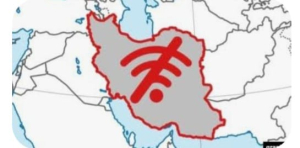
Internet Shutdown in Al-Ahwaz and Across Iran: A Grave Violation of Human Rights and a Prelude to Potential Crimes
كانون2/يناير 09, 2026Alahwazi Organization for Human Rights (A.O.H.R) expresses deep concern over the Iranian occupation authorities’ complete internet shutdown yesterday in Al-Ahwaz and across Iran, a repressive measure that constitutes a blatant violation of human rights and fundamental freedoms. This arbitrary action aims to deprive the people of Al-Ahwaz and the Iranian population in general of their legitimate right to communicate and exchange information. It is a direct assault on freedom of opinion and expression and the right to access information, rights guaranteed under Article 19 of the Universal Declaration of Human Rights and the International Covenant on Civil and Political Rights, to which Iran is legally bound.
Al-Ahwaz holds a vital geopolitical position on the Arabian Gulf and is rich in energy and oil resources, making it, for decades, the focus of strict security and repressive policies by the Iranian authorities. Since the beginning of the revolution on December 28, 2025, Iran has deployed extensive security forces in Al-Ahwazian cities for fear of protests or movements demanding the overthrow of the ruling regime in Tehran and the restoration of their rights as the indigenous people of this region. Authorities believed this would intimidate citizens, yet many Al-Ahwazian provinces and cities, including Bushehr Province, Bandar Jeroon (Bandar Abbas), Ilam Province, and the cities of Abadan, Toster the capital Al-Ahwaz, and Quneitra, witnessed citizens taking to the streets in peaceful demonstrations. Security forces, alongside Basij and intelligence units, responded by firing live ammunition at demonstrators, resulting in multiple deaths and injuries and the arrest of dozens, in flagrant violation of fundamental human rights and freedoms of expression and peaceful assembly.
The organization emphasizes that the internet shutdown cannot be separated from the systematic repression faced by the Al-Ahwazian and Iranian people. Iranian authorities repeatedly resort to this measure as a prelude to committing grave violations, including suppressing peaceful protests, carrying out widespread arbitrary arrests, preventing documentation of crimes and violations, and covering up excessive use of force, including extrajudicial killings. The organization views the internet disruption as an attempt to isolate the population from the outside world and prevent their voices from reaching human rights organizations and international media, increasing the risk to civilians and peaceful protesters.
According to international standards and treaties, a mass internet shutdown constitutes a severe violation of human rights and amounts to prohibited collective punishment under international law. The United Nations and its special rapporteurs have repeatedly condemned the use of internet blackouts as a tool to oppress populations. Disabling the internet during protests is considered illegal and disproportionate, even under alleged security justifications. The organization warns that if this measure coincides with killings, arrests, or systematic torture, it may amount to crimes against humanity under the Rome Statute.
Alahwazi Organization for Human Rights (A.O.H.R) calls for the immediate and unconditional restoration of internet services in Al-Ahwaz and throughout Iran, ensuring freedom of expression and communication without restrictions, enabling human rights organizations and media to access information freely, and launching an independent international investigation into the committed violations, holding all perpetrators accountable for crimes against the Al-Ahwazian and Iranian people.
The organization urgently appeals to the United Nations, the UN High Commissioner for Human Rights, the Special Rapporteurs on Freedom of Expression and Extrajudicial Killings, and international human rights organizations to intervene immediately to protect the Al-Ahwazian and Iranian people and halt the grave violations they are facing.
Alahwazi Organization for Human Rights (A.O.H.R)
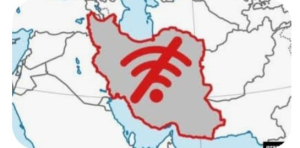
قطع الإنترنت في الأحواز وكافة أنحاء إيران: انتهاك جسيم لحقوق الإنسان وتمهيد لجرائم محتملة
كانون2/يناير 09, 2026تعرب المنظمة الأحوازية لحقوق الإنسان عن بالغ قلقها إزاء إقدام سلطات الاحتلال الإيرانية، يوم أمس، على قطع خدمة الإنترنت بشكل كامل في الأحواز و في عموم إيران، في خطوة قمعية تشكل انتهاكًا صارخًا لحقوق الإنسان والحريات الأساسية. إن هذا الإجراء التعسفي يهدف إلى حرمان الشعب الأحوازي والشعب الإيراني عمومًا من حقهم المشروع في التواصل وتبادل المعلومات، ويُعد اعتداءً مباشرًا على حرية الرأي والتعبير وحق الوصول إلى المعلومات، وهي حقوق مكفولة بموجب المادة 19 من الإعلان العالمي لحقوق الإنسان، وكذلك العهد الدولي الخاص بالحقوق المدنية والسياسية، الذي تُعد إيران طرفًا ملزمًا به قانونًا.
تتمتع الأحواز بموقع جيوسياسي حيوي على الخليج العربي ومصادر الطاقة والنفط، مما جعلها على مدى عقود محور سياسات أمنية وقمعية مشددة من قبل السلطات الإيرانية. ومنذ بداية الثورة في 28 ديسمبر 2025، قامت إيران بنشر قوات أمنية على نطاق واسع في المدن الأحوازية خوفًا من أي احتجاجات أو حركات تطالب بإسقاط النظام الحاكم في طهران واستعادة حقوقهم كشعب أصلي لهذه الجغرافيا، وظنّت أن ذلك سيوقف المواطنين ويخيفهم، إلا أن العديد من المحافظات والمدن الأحوازية، بما فيها محافظة أبوشهر، بندر جرون (بندر عباس)، محافظة عيلام، ومدن عبادان وتستر والأحواز العاصمة والقنيطرة، شهدت خروج المواطنين إلى الشوارع للتظاهر السلمي، وردّت السلطات الأمنية، بمعية قوات البسيج والاستخبارات، بإطلاق الرصاص الحي على المتظاهرين، ما أسفر عن مقتل وإصابة عدد من المتظاهرين واعتقال العشرات منهم، في انتهاك صارخ لحقوق الإنسان الأساسية وحرية التعبير والتجمع السلمي.
تؤكد المنظمة أن قطع الإنترنت لا يمكن فصله عن القمع الممنهج الذي يتعرض له الشعب الأحوازي والشعب الإيراني، حيث تلجأ السلطات الإيرانية مرارًا إلى هذا الإجراء كوسيلة تمهيدية لارتكاب انتهاكات جسيمة، من بينها قمع الاحتجاجات السلمية، تنفيذ حملات اعتقال تعسفية واسعة، منع توثيق الجرائم والانتهاكات، والتستر على استخدام القوة المفرطة بما في ذلك القتل خارج إطار القانون. وترى المنظمة أن تعطيل الإنترنت يهدف إلى عزل السكان عن العالم الخارجي ومنع وصول أصواتهم إلى المنظمات الحقوقية ووسائل الإعلام الدولية، الأمر الذي يزيد من مستوى الخطر على حياة المدنيين والمتظاهرين السلميين.
وفقًا للمعايير والمواثيق الدولية، يُعد قطع الإنترنت الجماعي انتهاكًا جسيمًا لحقوق الإنسان ويشكل عقابًا جماعيًا محظورًا بموجب القانون الدولي، وقد أدانت الأمم المتحدة ومقرروها الخاصون مرارًا استخدام قطع الإنترنت كوسيلة لقمع الشعوب. ويعتبر تعطيل الإنترنت أثناء الاحتجاجات إجراءً غير قانوني وغير متناسب حتى عند الادعاء بدواعٍ أمنية، وتحذر المنظمة من أنه في حال اقترن هذا الإجراء بعمليات قتل أو اعتقال أو تعذيب ممنهج، فقد يرقى ذلك إلى جرائم ضد الإنسانية وفقًا لما نص عليه نظام روما الأساسي.
و تطالب المنظمة الأحوازية لحقوق الإنسان بالرفع الفوري وغير المشروط لقطع الإنترنت في الأحواز وكافة أنحاء إيران، وضمان حرية التعبير والتواصل دون قيود، وتمكين المنظمات الحقوقية ووسائل الإعلام من الوصول الحر إلى المعلومات، وفتح تحقيق دولي مستقل حول الانتهاكات المرتكبة، ومحاسبة جميع المسؤولين عن الجرائم والانتهاكات بحق الشعب الأحوازي والشعب الإيراني.
وتوجه المنظمة نداءً عاجلًا إلى الأمم المتحدة، المفوض السامي لحقوق الإنسان، المقررين الخاصين المعنيين بحرية التعبير والقتل خارج إطار القانون، والمنظمات الحقوقية الدولية للتدخل العاجل لحماية الشعب الأحوازي والشعب الإيراني ووقف الانتهاكات الجسيمة التي يتعرض لها.
المنظمة الأحوازية لحقوق الإنسان
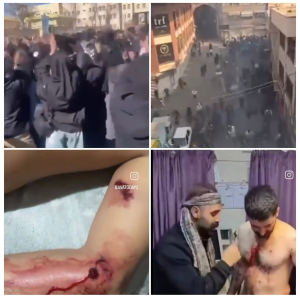
From Protests to Revolution: Security Crackdown Claims Innocent Lives… Death Toll Rises to 35 and Over 1,200 Arrested
كانون2/يناير 06, 2026Popular protests in Iran continue for the second consecutive week amid a widespread security crackdown. The death toll has risen to 35, after initial reports indicated at least 29 fatalities, according to verified sources. The same sources reported that some of the deceased were minors under the age of 18, as security forces and the Revolutionary Guard used excessive force.
According to human rights reports, Iranian authorities have arrested over 1,200 people, while the protests have expanded to include at least 88 cities across different provinces. Reliable sources also reported that members of the security forces were among the dead.
In an attempt to contain public anger, authorities cut internet access in several cities to prevent the revolution from spreading to other provinces. This coincided with direct orders from Iran’s Supreme Leader to security forces and the Revolutionary Guard to suppress protesters, while the head of the judiciary threatened participants with harsh sentences.
Local sources revealed that Iranian security agencies sent messages to several families, urging them to join pro-regime demonstrations, but these attempts failed and received no popular response.
According to trusted Ahwazi sources, Iranian authorities summoned a number of Arab tribal sheikhs in the Ahwaz region, an occupied territory seeking an end to Iranian occupation, and issued direct threats if popular mobilization or demands for ethnic rights intensified.
In a related development, Iranian authorities contacted thousands of citizens in different cities, warning them against sharing news on social media or participating in ongoing protests, now in their second week, amid escalating repression and fears that protests could turn into a widespread revolution threatening the regime’s foundations and stability.
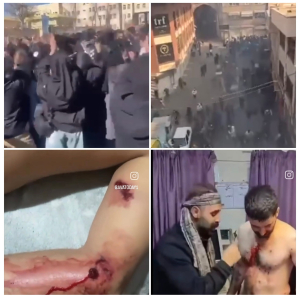
Von Protesten zur Revolution: Sicherheitskräfte rauben unschuldigen Menschen das Leben… Opferzahl steigt auf 35, über 1.200 Festnahmen
كانون2/يناير 06, 2026Die Volksproteste im Iran dauern in der zweiten aufeinanderfolgenden Woche an, begleitet von einer umfassenden Sicherheitsunterdrückung. Die Zahl der Todesopfer ist auf 35 gestiegen, nachdem erste Berichte mindestens 29 Tote gemeldet hatten, so verifizierte Quellen. Dieselben Quellen berichteten, dass unter den Toten auch Minderjährige unter 18 Jahren sind, da Sicherheitskräfte und die Revolutionsgarde übermäßige Gewalt angewendet haben.
Laut Menschenrechtsberichten haben die iranischen Behörden über 1.200 Personen festgenommen, während sich die Proteste auf mindestens 88 Städte in verschiedenen Provinzen ausgedehnt haben. Zuverlässige Quellen berichteten außerdem, dass Mitglieder der Sicherheitskräfte unter den Toten waren.
Um die öffentliche Wut einzudämmen, haben die Behörden in mehreren Städten den Internetzugang gekappt, aus Angst, dass sich die Revolution auf andere Provinzen ausbreitet. Dies fiel mit direkten Befehlen des Obersten Führers des Iran an Sicherheitskräfte und die Revolutionsgarde zusammen, die Protestierenden zu unterdrücken, während der Oberste Richter den Teilnehmern harte Strafen androhte.
Lokale Quellen berichteten, dass iranische Sicherheitsbehörden Nachrichten an mehrere Familien geschickt haben, in denen sie zur Teilnahme an regierungsfreundlichen Demonstrationen aufgefordert wurden, doch diese Versuche scheiterten und stießen auf keinerlei Resonanz in der Bevölkerung.
Verlässliche Quellen aus Ahwaz berichteten, dass die iranischen Behörden mehrere arabische Stammeshäupter in der Region Ahwaz, einem besetzten Gebiet, das das Ende der iranischen Besatzung fordert, vorgeladen und ihnen direkte Drohungen ausgesprochen haben, falls die Volksmobilisierung oder Forderungen nach ethnischen Rechten zunehmen.
In einem zusammenhängenden Vorgang kontaktierten iranische Behörden Tausende von Bürgern in verschiedenen Städten direkt und warnten sie davor, Nachrichten in sozialen Medien zu verbreiten oder an den laufenden Protesten teilzunehmen, die nun in ihre zweite Woche gehen, angesichts der eskalierenden Unterdrückung und der Befürchtung des Regimes, dass sich die Proteste zu einer umfassenden Revolution entwickeln könnten, die die Grundlagen und Stabilität des Regimes bedroht.