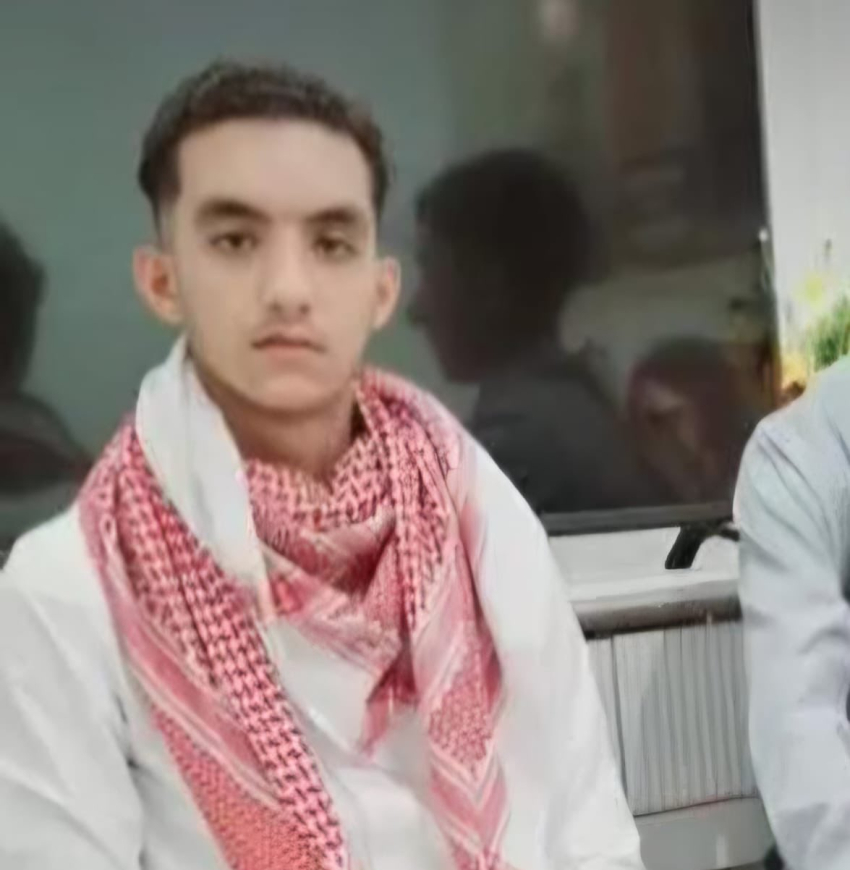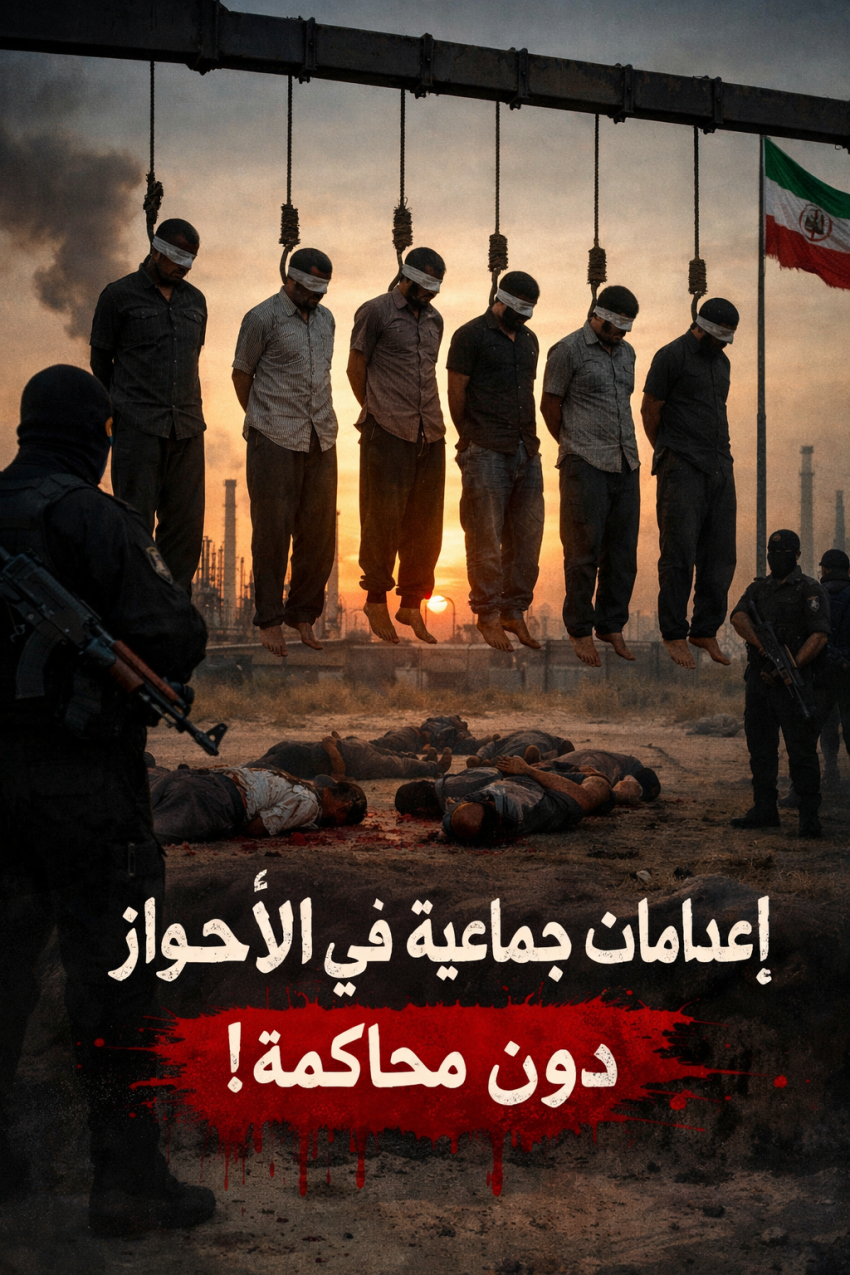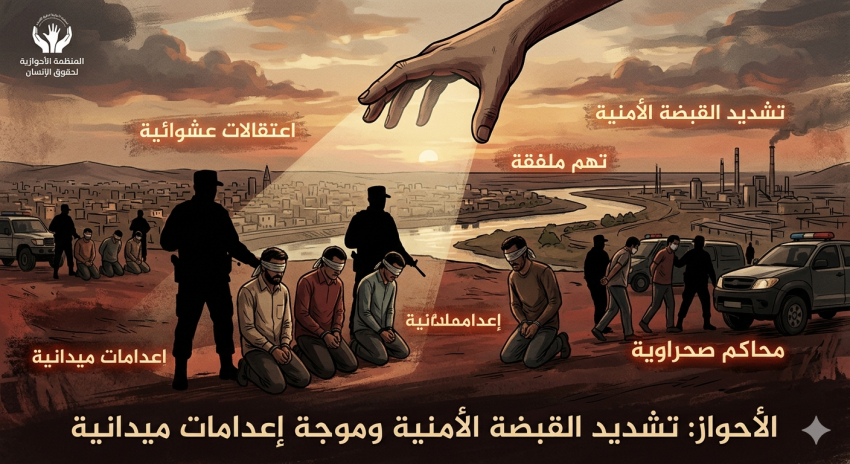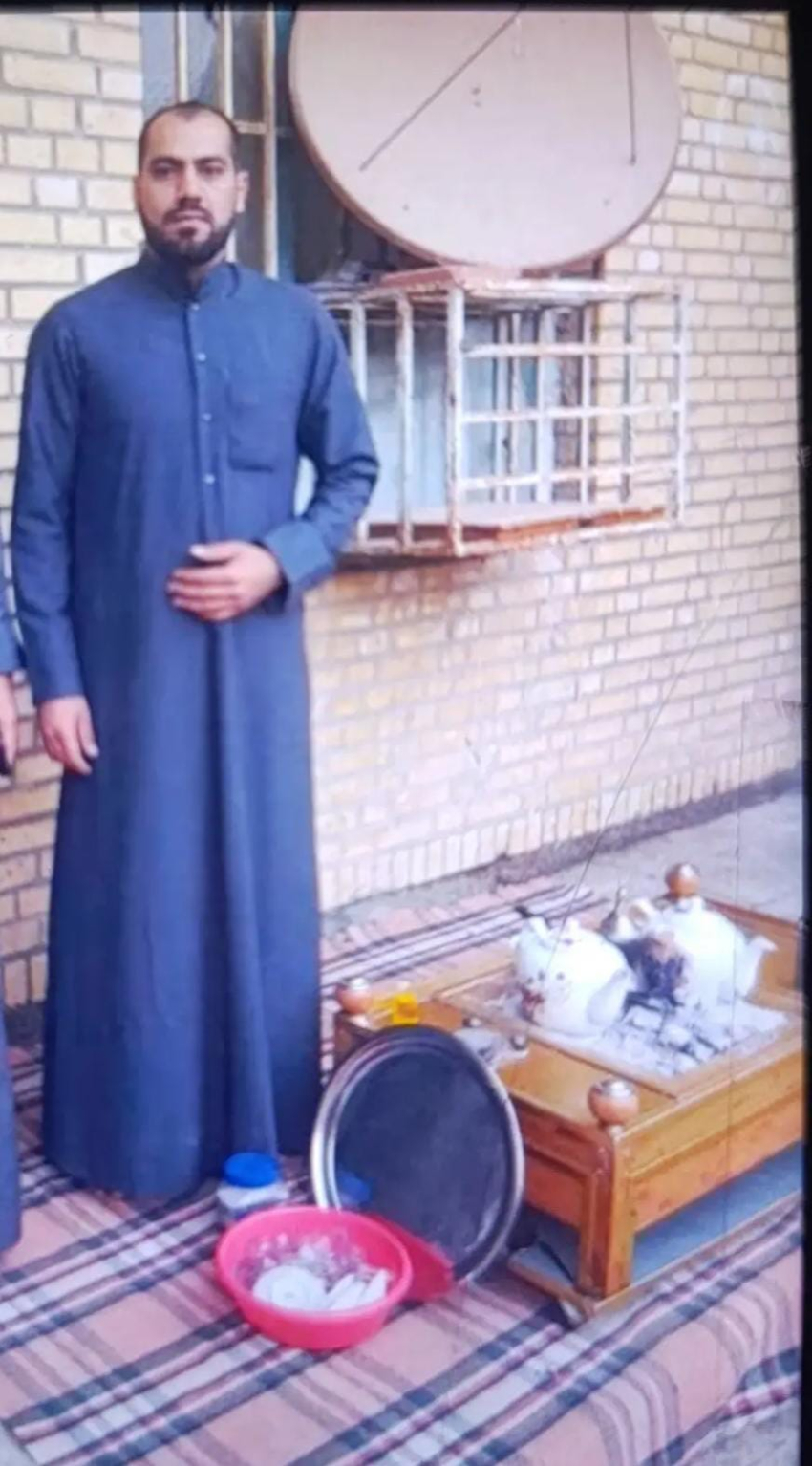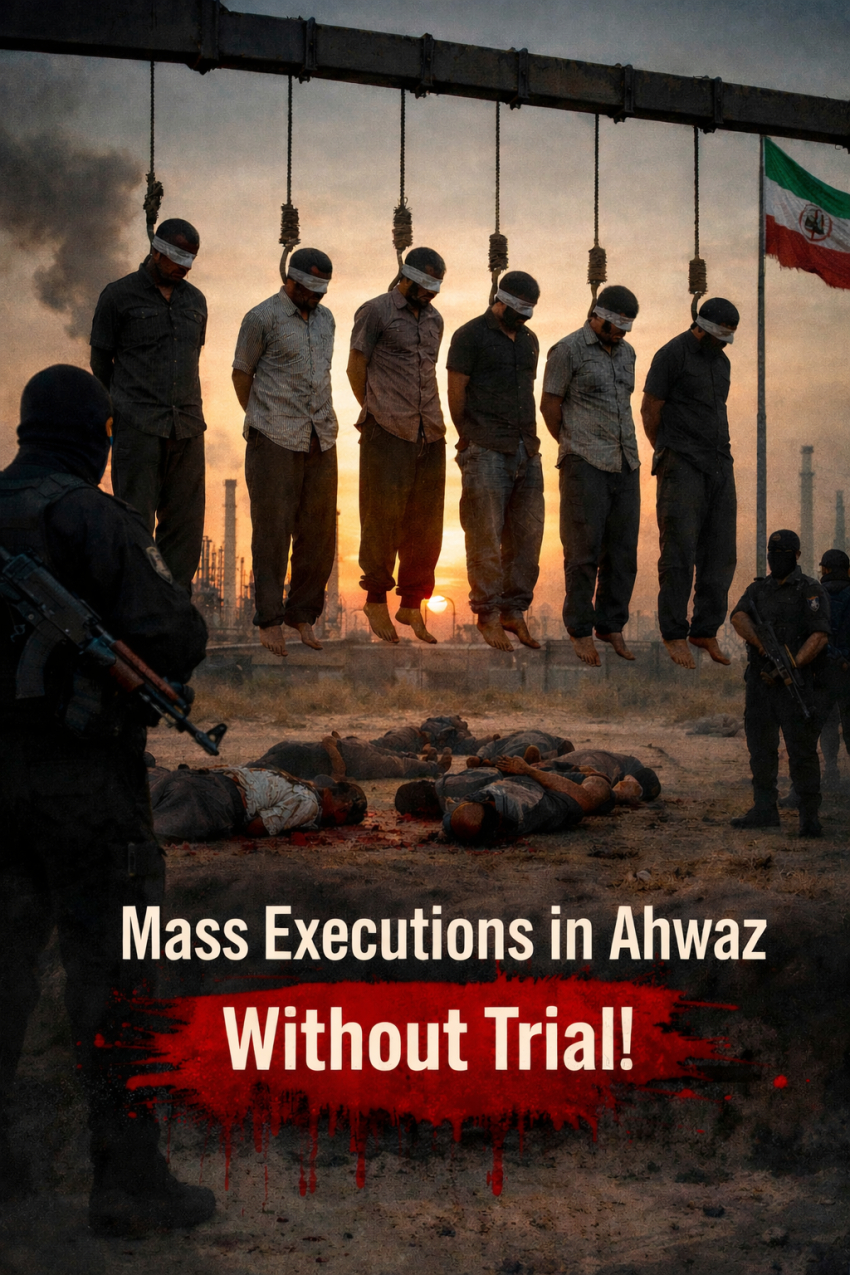



دستگاه هاى امنيتى جمهورى اسلامى ايران جهت ايجاد رعب و وحشت و خاموش كردن هر گونه اعتراض بين مردم عرب در روزهاى ماه رمضان و در آستانه عيد فطر شمارى از فعالان مدنى و شهروندان اهل سنت در شهرهاى معشور(ماهشهر)، خفاجيه(سوسنگرد)، اهواز و ديگر شهرها را بازداشت كردند.
منابع حقوق بشر از احواز مى گويند؛در منطقه ملاشيه جنوب شهر اهواز در يكم خردادماه 1399 شمارى از فعالان عرب توسط اداره اطلاعات بازداشت شدند.
اسامى بعضى از بازداشت شدگان به شرح زير است:
١- ابراهيم سيلاوى، ٢- قاسم سيلاوى ،٣-خالد سيلاوى فرزند نبي، ٤- جعفر سيلاوى، ٥-فيصل سيلاوى،٦-ايوب خررجي 30 ساله ،٧-یوسف خزرجی 28 ساله ،٨-جميل سيلاوي 29 ساله،٩-خليل سيلاوي 31 ساله ،١٠-ابراهيم كروشاوي 37 سال،١١-محمد كروشات،١٢-عبدالكريم خسرجى،١٣-محمد شريفى،١٤-كاظم عباس درجال، ١٥-رياض زهيرى، ١٦-سجاد الحائي،١٧-حسين بالدى
بنا به همين گزارش؛ در نيمه ماه رمضان بيش از 18 نفر از جوانان شهرستان معشور(ماهشهر) و مناطق كوره ها توسط اداره اطلاعات بازداشت و تا كنون خانواده هاى آنها از دليل بازداشت شان اطلاعى ندارند.
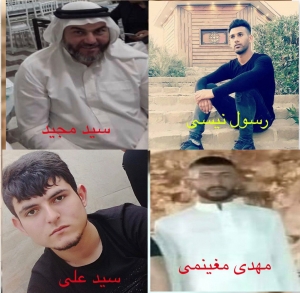
در 16 ارديبهشت 1399 نيز؛ تعدادى از فعالان عرب در منطقه عين دو در غرب شهر اهواز بنام هاى سيد مجيد هاشمى فرزند محمد 35 ساله، سيد على هاشمى فرزند محمد 18 ساله و جعفر صياحى فرزند ناصر 32 ساله نيز بازداشت شدند.
فعالان حقوق بشر از اهواز افزودند؛از شهر خفاجيه نيز در آستانه عيد فطر؛
فالح مزرعه فرزند غافل، مهدي مغينمى فرزند شلش و رسول نيسى فرزند مظلوم توسط اداره اطلاعات بازداشت شدند.
حیدر عباس زاده فرمانده نيروى انتظامى به خبرگزارى ها گفته كه پلیس اطلاعات و امنیت عمومی شهرستان معشور(ماهشهر) با کار اطلاعاتی 14 نفر عامل وابسته به "گروه های تکفیری و تجزیه طلبی" كه اقدام به تیراندازی به مقرهای انتظامی، بسیج، نصب پرچم الأحواز بر روی درب و دیوار شهر بازداشت شدند.اين فرمانده بدون اعلام تاريخ بازداشت ها گفته كه اين بازداشت ها در دو مرحله صورت گرفته است. فعالان اهل شهرستان معشور(ماهشهر)، سخنان اين فرمانده نيروى انتظامى را كذب و عارى از صحت اعلام كردند و نيروهاى امنيتى را به #پرونده_سازى جهت جلوگيرى از فعاليت هاى مسالمت آميز آنها متهم كرده اند.
در آستانه عيد فطر از جو پليسى و هجوم به منازل مردم در ملاشيه، زرگان احواز و ديگر مناطق عرب نشين كليپ هائى در فضاى مجازى منتشر شد.
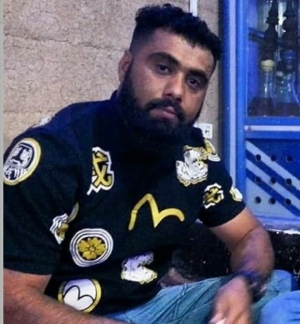
اعتقال احد النشطاء الاحوازيين
أيار 26, 2020اعتقل المواطن فهد ابو فاروق من سكان مدينة السوس على يد القوات الامنية و الاستخبارات الايرانية بعد مداهمة بيته دون اي ترخيص رسمي من الجهات القانونية و المعنية.
و بالرغم من المناشدات و الجهود التي بذلها ذوي المعتقل لمعرفة اسباب الاعتقال و مكانه الا ان الجهات الامنية الايرانية امتنعت عن كشف اية معلومة حول هذا الامر و هو مايتنافى تمامأ مع القوانين الدولية و الانسانية و التي تنص على مايلي :
ـ لكل فرد حق في الحرية وفى الأمان على شخصه ولا يجوز توقيف أحد أو اعتقاله تعسفا ولا يجوز حرمان أحد من حريته إلا لأسباب ينص عليها القانون وطبقا للإجراء المقرر فيه.
ـ يتوجب إبلاغ أي شخص يتم توقيفه بأسباب هذا التوقيف لدى وقوعه كما يتوجب إبلاغه سريعا بأية تهمة توجه إلي . ( المادة التاسعة من قانون العهد الدولي الخاص بالحقوق المدنية و السياسية).
المنظمة الأحوازية لحقوق الإنسان
اعتقال العشرات المواطنيين بتهمة التسنن
أيار 26, 2020في حملة اعتقالات عشوائية قبيل حلول مناسبة عيد الفطر المبارك اعتقلت قوات الامن و الاستخبارات الايرانية عدد من المواطنين الأحوازيين في منطقة الملاشية يوم الخميس الموافق ل 21.05.2020.
و المعتقلين هم :
1-ايوب خررجي 30 عاما
2-یوسف خزرجی 28 عاما
3-جميل سيلاوي 29 عاما
4-خليل سيلاوي 31 عاما
5-ابراهيم كروشاوي 37 عاما
و بالرغم من المناشدات و الحملات الانسانية التي تطلقها المنظمات الانسانية و مجلس حقوق الانسان التابع للامم المتحدة مطالبين من خلالها السلطات الايرانية باحترام العقيدة و حرية الراي و الفكر الا ان مازالت هذه السلطات تنتهك هذه القوانين دون احترام حيث توجد هناك اقسام في السجون الايرانية مخصصة لاصحاب العقيدة السنية.
و تنص المدة الثامن عشر من قانون العهد الدولي الخاص بالحقوق المدنية و السياسية على :
1. لكل إنسان حق في حرية الفكر والوجدان والدين. ويشمل ذلك حريته في أن يدين بدين ما، وحريته في اعتناق أي دين أو معتقد يختاره، وحريته في إظهار دينه أو معتقده بالتعبد وإقامة الشعائر والممارسة والتعليم، بمفرده أو مع جماعة، وأمام الملأ أو على حدة.
2. لا يجوز تعريض أحد لإكراه من شأنه أن يخل بحريته في أن يدين بدين ما، أو بحريته في اعتناق أي دين أو معتقد يختاره.
و تطالب المنظمة الانسانية لحقوق الإنسان المنظمات الانسانية و على رأسها مجلس حقوق الانسان التابع للامم المتحدة سيما منظمة العفو الدوليةو منظمة هيومن رايتس ووتش بالضغط على المجتمع الدولي لوضع حد لمثل هذه الانتهاكات الانسانية التي تقوم بها السلطات الايرانية ضد المواطنين الأحوازيين و غيرهم من ابناء الشعوب في ايران .
المنظمة الأحوازية لحقوق الإنسان
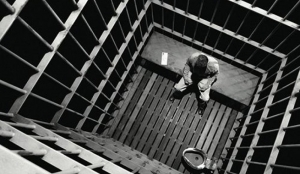
داهمت قوات الامن و الاستخبارات الايرانية الموافق ل 25.5.2020 هذا العام بيت المواطنيين احوازيين في مدينة ابو حميظة دون ذكر اسباب الاعتقال.
و المعتقلين هم : هادي المغينمي و مهدي المغينمي و صالح غافل
و ذكرت مصادر مؤثوق ان قوات الامن الايرانية قامت باعتقالهم و نقلتهم الى مكان غير معلوم .
و تشن القوات الامنية الايرانية سنويأ مع اقتراب مناسبة عيد الفطر المبارك حملة اعتقالات عشوائية تطال المئات من النشطاء و المواطنين الأحوازيين لمدة ايام او اسابيع و تنقلهم الى مكان غير معلوم دون ذكر اسباب هذا الاعتقال.
و لكن التقارير السنوية للمنظمة الأحوازية لحقوق الإنسان تصرح ان ماتقوم به الجهات الامنية الايرانية هي جريمة لقمع الاصوات التي تطالب بالحرية و العدالة و المساواة في الأحواز.
المنظمة الأحوازية لحقوق الإنسان
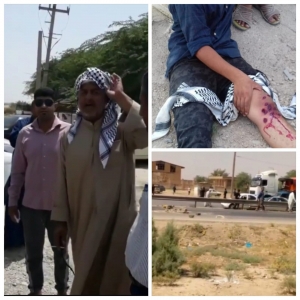
احتجاجات في اخر ايام شهر رمضان المبارك في منطقة الغيزانية و اصابة عدد من الاطفال برصاص الامن الايراني
أيار 25, 2020اندلعت يوم السبت الماضي اشتباكات بين المواطنين الأحوازيين في مدينة الغيزانية و بين قوات الامن الايرانية بعد ما حاولت هذه الاخيرة القاء القبض على المحتجين دون الاعتناء بمطالبهم لحل ازمتهم التي يعانون منها منذ اكثر من عشرة ايام.
و كانت حصيلة هذه الاحتجاجات اطلاق الرصاص الحي على المواطنين و اصابة عدد منهم بينهم اطفال من قبل قوات الامن الايرانية بعدما رفض المحتجون فض احتجاجهم قبيل حلول اول ايام عيد الفطر المبارك فيما اعتقل عدد اخر منهم و نقل الى المقرات السرية التابعة للامن الايراني.
و كان سبب هذه الاحتجاجات انقطاع مياه الصرف الصحي منذ اكثر من عشرة ايام في هذه القرية التي تعيش فيها مئات العوائل بينهم شيوخ و اطفال و اناس يعانون من وضع صحي متدهور.حاول سكانها حل هذه الازمة عبر تواصلهم مع مسؤولين منظمة المياه الواقعة في الأحواز الا ان محاولاتهم باءت بالفشل.
و تحاول السلطات الايرانية تهجير سكان هذه المدينة و القرى التابعة لها و التي تعد بالعشرات و استبدالهم بمهاجرين يتم جلبهم من مدن ايرانية اخرى نظرأ لوجود اكثر من 300 بئر نفط في هذه المدينة.
يذكر ان شركة النفط الواقعة في هذه المدينة لم توظف ابناء هذه القرية بل اغلب موظفيها هم من المهاجرين الذين تم جلبهم الى الأحواز.
و تطالب المنظمة الأحوازية لحقوق الإنسان بفتح تحقيق حول ملابسات هذا التهميش و الاضطهاد و تعامل قوات الامن و الاستخبارات الايرانية مع المحتجين السلميين سيما محاسبة من الامرين باطلاق الرصاص الحي على المحتجين و كل من ساهم في هذه الجريمة.
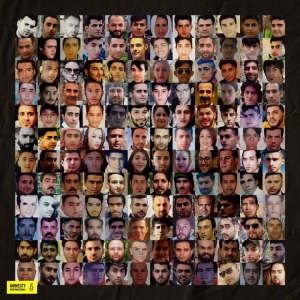
Amnesty International:IRAN: EINZELHEITEN ZU 304 TODESFÄLLEN BEI PROTESTEN IM NOVEMBER 2019
أيار 21, 2020Dieses Dokument enthält die Details von 304 Männern, Frauen und Kindern, die von Amnesty International als von den iranischen Sicherheitskräften getötet dokumentiert wurden, als sie zwischen dem 15. und 19. November 2019 gegen Massenproteste vorgegangen waren, die im Iran nach der Ankündigung der Regierung über den signifikanten Anstieg über Nacht ausgebrochen waren im Kraftstoffpreis.
https://www.amnesty.org/download/Documents/MDE1323082020ENGLISH.PDF
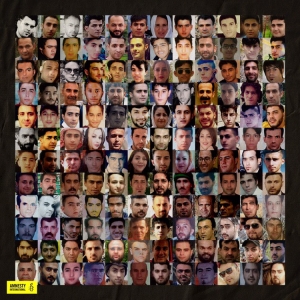
Amnesty International:IRAN: DETAILS OF 304 DEATHS IN CRACKDOWN ON NOVEMBER 2019 PROTESTS
أيار 21, 2020This document contains the details of 304 men, women and children documented by Amnesty International as having been killed by Iran’s security forces during their crackdown on mass protests that erupted across Iran between 15 and
20 May 2020 AI Index number: MDE 13/2308/2020 IRAN:
DETAILS OF 304 DEATHS IN CRACKDOWN ON NOVEMBER 2019 PROTESTS
This document contains the details of 304 men, women and children documented by Amnesty International as having been killed by Iran’s security forces during their crackdown on mass protests that erupted across Iran between 15 and 19 November 2019, following the government’s announcement about the significant overnight rise in the price of fuel.
The organization has found the security forces’ use of lethal force against the vast majority of those killed to be unlawful. In almost all protests that took place between 15 and 19 November, there is no evidence that people were in possession of firearms or that they posed an imminent threat to life that would have warranted the use of lethal force, according to extensive research, including video analysis, conducted by Amnesty International. The organization is aware of two exceptions in one city on 18 November where gunfire was exchanged between a number of protesters and security forces.
Amnesty International has found that more than 220 of the recorded deaths resulted from incidents that took place over just two days on 16 and 17 November.
Six months on from the protests, the devastated families of victims continue their struggle for truth and justice while facing intense harassment and intimidation from the authorities.
Meanwhile,
the authorities persist in their refusal to reveal the truth about the death toll; conduct thorough, independent and impartial criminal investigations; and bring to justice those responsible for ordering and carrying out these killings, which compounds the pain of victims’ relatives. In fact, the authorities have orchestrated a ruthless campaign to intimidate families and prevent them from speaking out, further entrenchiMETHODOLOGY In the context of its ongoing investigation into the deadly repression of protests in November 2019, Amnesty International has researched cases of protesters and bystanders who were killed by security forces.
To date, based on information obtained from credible sources, Amnesty International has recorded 304 deaths resulting from the use of lethal force by security forces. In 127 of those cases, Amnesty International spoke directly to primary sources impacted by the deaths, including relatives, neighbours, friends, acquaintances, and eyewitnesses.
In 127 other cases, it documented the deaths primarily based on information received from human rights activists and journalists based in or outside Iran. In 34 of them, it did so based on information from medical staff working in facilities to which the dead and injured were brought. It documented the remaining 16 cases primarily based on the examination of videos that were broadcast by the Islamic Republic of Iran Broadcasting (IRIB) corporation in relation to the protests of November 2019 and included 2 interviews with the families of those killed. With respect to some of these 16 cases, complementary information concerning the victim’s name, age and circumstances of death were received from independent human rights activists and journalists.
In order to ascertain the credibility of the information received from human rights activists and journalists, Amnesty International interviewed them about their sources of information, which typically included relatives, neighbours, friends, acquaintances and eyewitnesses. Similarly, for cases reported by medical staff, the organization interviewed the source to ascertain their reliability and the degree of their involvement in the system of recording deaths in their particular medical institution or their access to those records.
For each recorded case, Amnesty International conducted internet searches and, where it was able to locate media articles or social media posts on the victim concerned, compared the information available online with the information received directly from primary or secondary sources.
As part of its process of crosschecking and corroboration, Amnesty International also obtained the funeral posters of 116 victims and pictures of the gravestones or grave sites of 82 victims. For 24 of the victims, in addition to obtaining their funeral posters and/or the pictures of their gravestones, Amnesty International was also able to obtain death and/or burial certificates recording the date, place and cause of their death. Death and burial certificates in Iran record the dates of birth and death, as well as the cause of death. The dates of birth and death recorded on the gravestone of the deceased are generally identical to the information recorded in their death and burial certificates. Families are not authorized to bury their loved ones or erect gravestones until a burial certificate has been issued by the Legal Medicine Organization of Iran, a state forensic institute working under the supervision of the judiciary. Pictures of gravesites obtained generally showed the burial ground before the erection of a gravestone over it. In many cases, a memorial poster containing the name and photograph of the deceased was seen laid on the ground and, in some cases, there was a small board on the grave site recording the name of the deceased and their date of death.
Throughout the research process, Amnesty International took strict measures to prevent double counting and updated its entries after new verified information was received. These involved crosschecking the cases of reported deaths according to time, location and other unique identifiers, and eliminating those that could potentially refer to the same person.
With respect to 232 of the 304 deaths, Amnesty International has identified the first and last names of the victim. In the case of seven other deaths, it has identified the victim’s first or last name only.
In the remaining 65 cases, the names of the victims are still unknown to Amnesty International. Over half of these (35) are from the cities of Shahriar or Malard in Tehran province, one of the provinces with the highest death tolls in the country. Of these 35 cases, 34 were reported to Amnesty International by medical staff in one of the main hospitals in the area, which received a large number of dead bodies between 16 and 18 November 2019. The remaining case from Malard was reported by state media without referring to the name of the victim. Twelve are from the city of Kermanshah in Kermanshah province, another area with a high death toll. These 12 cases were reported by a number of activists and a local journalist affiliated with state-media outlets, who had accessed information compiled by local officials on the number of deaths in the city of Kermanshah. The remaining 18 cases are from the following areas: Baharestan, Tehran province (3); Malekshahr, Esfahan province (1); Mahshahr, Khuzestan province (1); Sadra, Fars province (4); Chardangeh, Tehran province (2); Fardis, Alborz province (1); Javanroud, Kermanshah province (1); Robatkarim, Tehran province (3); Sirjan, Kerman province (1); and Shiraz, Fars province (1). Two of these cases were reported by state media without referring to the names of the victims; 11 were reported by reliable local activists involved in community-level research; and the remaining five were identified through interviews with eyewitnesses who said they had seen a certain number of individuals being killed in front of them but did not know the victims by name.
As part of its ongoing investigation into the unlawful use of lethal force during the protests, Amnesty International has also analysed extensive video footage, verified by its Digital Verification Corps, which showed Iranian security forces using firearms against unarmed protesters and bystanders.
In order to trace the development of official narratives denying and distorting the scale, causes and circumstances of the killings, Amnesty International also regularly monitored state-affiliated media outlets in Iran, and analysed statements made by top state officials including the Supreme Leader, Ali Khamenei; the president, Hassan Rouhani; the minister of interior, Abdolreza Rahmani Fazli; and the secretary general of the Supreme National Security Council, Ali Shamkhani.
Amnesty International believes that the real number of deaths is higher than the figure of 304 documented. The organization is aware of scores of additional cases that have been reported, but has assessed that it does not yet have sufficient reliable details to include them in its figure. The lack of access to information is due, in large part, to the climate of intense fear created by the authorities, which has resulted in fewer families and other informed individuals being willing to speak out.
Intelligence and security officials in Iran have embarked on a campaign of harassment and intimidation of the families of those killed during the protests to prevent them from talking openly about their deaths. Many families interviewed by Amnesty International have reported being forced to sign undertakings that they would not speak to the media and would observe restrictions on how they commemorate their loved ones in order to be able to receive their bodies. In almost all cases recorded by Amnesty International, security and intelligence officials attended the funeral and memorial ceremonies of the victims apparently to ensure that the restrictions were observed in what constitutes a clear form of intimidation to the families of the victims.
SEX AND AGE OF VICTIMS
Of the 304 individuals on whose deaths Amnesty International has obtained detailed information, 236 were identified as adult men and 10 as adult women. In addition, the organization documented 23 cases of children who were killed; 22 were boys, aged between 12 and 17, and one was a girl reportedly aged between eight and 12.1
The number of children killed is very likely to be higher. Amnesty International has received information from human rights activists about at least four young male victims indicating that they may have been under the age of the 18 at the time of their deaths. 2
In 35 cases, the sex and age of those killed remain unknown to Amnesty International.
_________________________________________________
1 For more information on children killed, see Amnesty International, They shot our children’: Killings of minors in Iran’s 2019 November protests, 4 March 2020 (Index number: MDE 13/1894/2020), online: https://www.amnesty.org/en/documents/mde13/1894/2020/en/ 2 Currently, due to lack of sufficient information, these young victims are included in the figure of 236 men, but in the list of victims below, Amnesty International has indicated that they may have been possibly under 18 years of age. The names of these four possible child victims are Mohsen Albouali (No. 169); Reza Neisy (No. 206); Ahmad Sa'di (Jaaveleh) (No. 220); and Ali Hosseini, also known as Ali Hamedani (No. 217).
https://www.amnesty.org/download/Documents/MDE1323082020ENGLISH.PDF
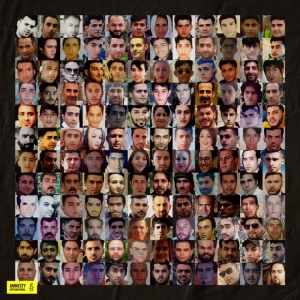
سازمان عفو بين الملل:سند 304 تن از كشته شدگان اعتراضات 28 ابان ماه 98 توسط نيروهاى امنيتى ايران
أيار 20, 2020این سند حاوی مشخصات ۳۰۴ مرد، زن و کودکی است که بنا به مستندات سازمان عفو بینالملل به دست نیروهای امنیتی ایران کشته شدند؛ این کشتار با سرکوب معترضان در جریان اعتراضاتی صورت گرفت که در فاصلهی ۲۴ تا ۲۸ آبان ۱۳۹۸ به دنبال افزایش ناگهانی قیمت بنزین به راه افتاده بود.
عفو بینالملل به این نتیجه رسیده است که استفادهی نیروهای امنیتی از سلاحهای مرگبار علیه جانباختگان در اکثریت وسیعی از موارد اقدامی غیرقانونی بوده است. بنا به تحقیقات گستردهای که این سازمان انجام داده، از جمله تجزیه و تحلیل ویدئوها، هیچ سندی وجود ندارد که نشان دهد معترضان سلاح گرم در اختیار داشتند و رفتارشان تهدید جانی قریب الوقوعی متوجه نیروهای امنیتی و دیگر افراد کرده بود. این سازمان از دو استثناء در شهر ماهشهر در تاریخ ۲۷ آبان آگاه است كه میان برخی معترضان و نیروهای امنیتی تبادل آتش صورت گرفت.
بیش از ۲۲۰ نفر از افرادی که مستندات مرگشان ثبت شده ظرف دو روز ۲۵ و ۲۶ آبان جان باختهاند.
با گذشت شش ماه از این کشتار، خانوادههای داغدار قربانیان همچنان برای افشای حقیقت و اجرای عدالت مبارزه میکنند، در حالی که مقامها و مسئولان آنان را مورد آزار و ارعاب شدید قرار میدهند.
در همین حال، امتناع مقامات ایران از افشای حقایق مربوط به تعداد کشتهشدگان، انجام تحقیقات کیفری و حسابرسی از آمران و عاملان این کشتارها، درد و رنج خانوادهها را تشدید کرده است. در واقع، مقامات و مسئولان با بهراهاندازی کارزاری برای آزاررسانی و ارعاب خانوادههای قربانیان و بازداشتن آنان از انتقاد علنی، به دنبال حفظ مصونیت از مجازات برای مسئولان کشتارها و خاموش کردن هرگونه صدای اعتراض بودهاند.
با توجه به ابعاد گسترده نقض حقوق بشر در جریان اعتراضات آبان ماه و همچنین با توجه به روال سازمانیافتهی مصونیت از مجازات که در ایران برقرار بوده، عفو بینالملل بار دیگر از کشورهای عضو شورای حقوق بشر سازمان ملل درخواست کرده است که فوراً موضوع تاسیس یک مکانیزم تحقیقاتی در خصوص کشتار آبان را در دستور کار قرار دهند و راههای موثر برای روشن شدن حقیقت، برقراری عدالت، جبران خسارت از خانوادههای جانباختگان و تضمین عدم تکرار را شناسایی کنند.
https://www.amnesty.org/download/Documents/MDE1323082020PERSIAN.PDF
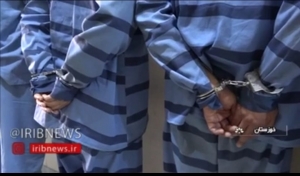
اعلنت السلطات الايرانية رسميأ عن اعتقال ثمانية مواطنين أحوازيين في مدينة الفلاحية في 6 مايو من الشهر الجاري بتهمة اغتيال احد قيادات الحرس الثوري عبدالحسين مجدم.
و اضافت تلك السلطات ان هذه المجموعة اعترفت بشن هجمات مسلحة على عدد من مراكز قوات التعبئة و انها متورطة في اغتيال عبدالحسين مجدم احد قيادات قوات التعبئة(احد جناحات الحرس الثوري) في مدينة دورخوين قبل شهور.
و اكدت مصادر المنظمة الأحوازية لحقوق الإنسان ان ماتدعيه السلطات الايرانية عار عن الصحة حيث انتزعت الاعترافات من المعتقلين بعد وضعهم تحت التعذيب الجسدي و النفسي الامر الذي يتنافى تماما مع القوانين و المعاهدات الدولية.
و اضافت تلك المصادر ان السلطات الايرانية لم تتطرق بعد في تقريرها على مجزرة معشور و التي كان مجدم احد قياداتها التي قتل فيها مالايقل عن 150 أحوازيين وجرح العشرات الاخرين بعد فرارهم من الرصاص الحي التي وجهته قوات الامن والحرس الثوري على المتظاهرين اثناء الاحتجاجات الشعبية التي شهدتها البلاد في نوفمبر من العام المنصرم.
و قد طالبت منظمة العفو الدولية السلطات الايرانية في تقريرها الصادر عن محاسبةمرتكبي تلك الجريمة الا ان السلطات قامت بتكريمهم بدل المحاسبة.
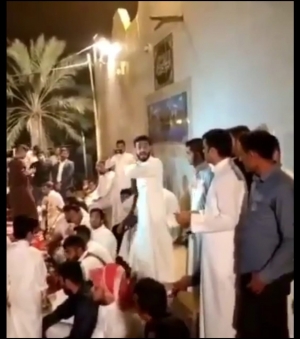
إعتقال الشاعر الأحوازي محمد نصاري ليلة البارحة
أيار 16, 2020في اطار الحملة العشوائية التي تشنها منذ ايام قوات الامن و الاستخبارات الايرانية في المدن الأحوازية وطالت العشرات من المواطنين الأحوازيين اعتقل الشاعر الأحوازي محمد النصاري ليلة امس بسبب ابياته الشعرية التي اشاد بها بالموقف البطولي لابناء مدينة الكورة و الجراحي في المظاهرات السلمية التي شهدتها المدن الأحوازية و نوفمبر من العام المنصرم بسبب ارتفاع اسعار الوقود و السياسات العنصرية الممنهجة التي تمارسها السلطات الايرانية في الأحواز.
و القاء الشاعر الأحوازي محمد النصاري ابيات شعرية اثناء حضوره في مناسبة زواج لاحد ابناء الأحواز اشاد فيها بالموقف البطولي لابناء مدينتي الكورة و الجراحي في الاحتجاجات الشعبية التي شهدتها البلاد و التي ارتكبت فيها قوات الامن و الحرس الثوري الايراني مجزرة بحق المتظاهرين الذين اختبئوا في مزارع القصب هربأ من الموت و لكن قيادات الحرس الثوري امرت جنودها برميهم في تلك المزارع حتى قتلت مالايقل عن 150 منهم و جرح العشرات و اعتقال المئات.
مجزرة معشور و التي اضافة صفحة جديدة على الجرائم الايرانية ضد الأحوازيين هذه المرة ندد بها عدد من المؤسسات الانسانية و الدولية ، اذ ادانت منظمة العفو الدولية تلك المجزرة مطالبة بمحاسبة مرتكبيها.
و تطالب المنظمة الأحوازية لحقوق الإنسان المنظمات الانسانية و الدولية بالضغط على السلطات الايرانية للإفراج عن المعتقلين والسجناء الأحوازيين في ظل الظروف المأساوية التي يعيشها العالم اليوم بسبب انتشار وباء الكورونا.