


 Email
EmailThe reported scale of the arrests against Ahwazi Arab activists in recent weeks is deeply alarming. Instead of relying on arbitrary arrests, Iranian authorities should release those detained for peacefully demonstrating or speaking out and promptly charge any others with a recognizably criminal offense and ensure they receive a fair trial or release them.
أيلول/سبتمبر 05, 2026

خطر اعدام در کمین فعالان عرب"
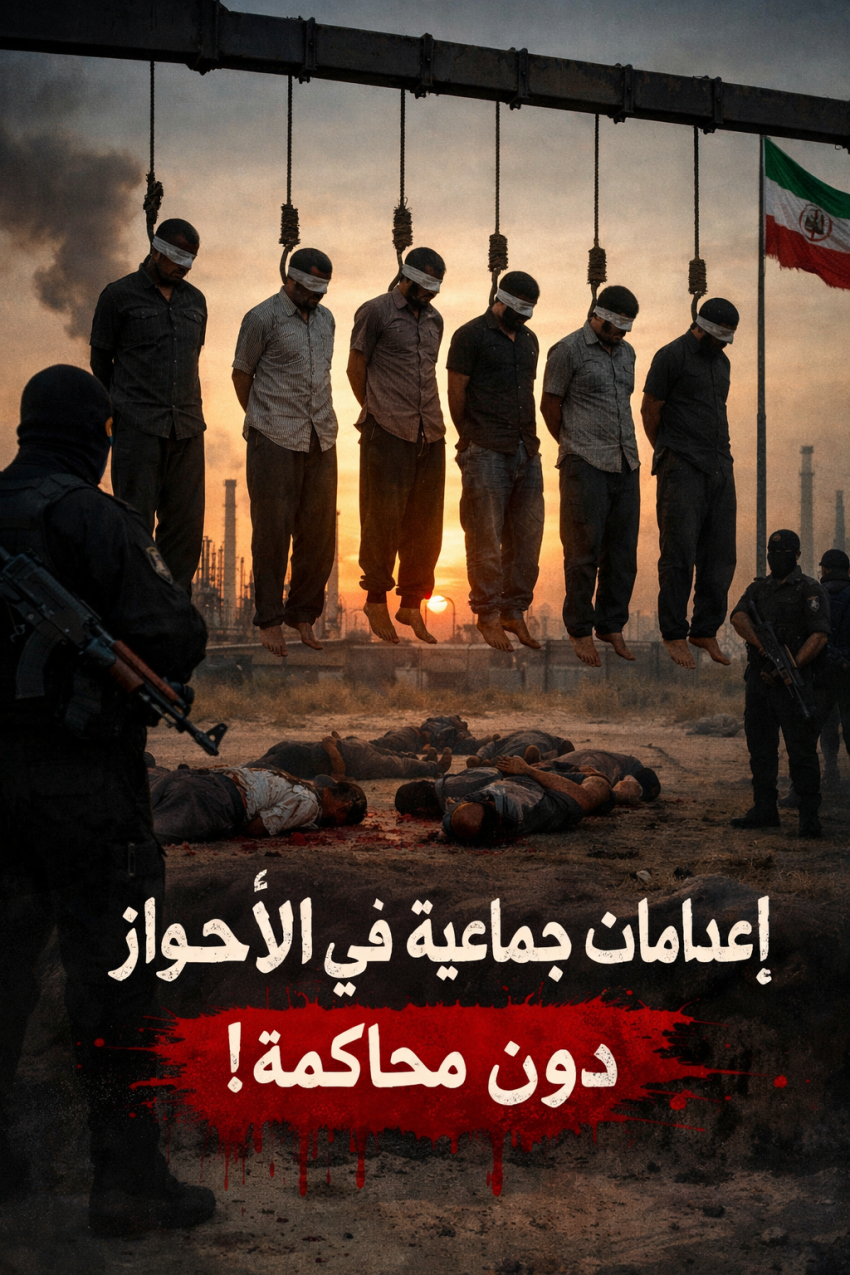
كانون1/ديسمبر 06, 2015گزارش ها از شوش حاکی است که 15 فعالان عرب که در 29 مهرماه سال جاري (1394) توسط ماموران اطلاعاتی این شهر بازداشت شده اند با خطر اعدام مواجه هستند. سازمان أحوازي حقوق بشر توانسته است كه اسمي هفتن از محكومين را بدست اورد كه آقایان عیسی عبداللهي ( كعبي ) فرزند ناصر 28 ساله ، حسون عبداللهي ( كعبي ) فرزند حبیب 29 عام، حسین عبداللهي ( كعبي ) 22 ساله، مجید عبداللهي ( كعبي ) فرزند الماشاف24 ساله، محمد عبداللهي ( كعبي ) فرزند هلیل32 ساله، جاسم عبداللهي ( كعبي ) فرزند العبید28 ساله، ماجد عبداللهي ( كعبي ) فرزند الدحام 21 ساله از جمله این افراد هستند که در هفتم ماه محرم در شهرستان شوش بازداشت شده اند و امروز اداره اطلاعات شهرستان شوش با تماس با خانواده های آنها از صدور حکم اعدام برای فرزندان آنها خبر دادند و آنها را از هر گونه پیگیری بر حذر داشتند.
اين احكام در صورتي صادر شده است كه محاكمه متهمان فاقد هرگونه شفافيت مي باشد كه اين نيز مخالف با معيارهاي بين المللي است ، همجنين تاكنون مكان محاكمه متهمان مشحص و اعلام نشده و متهمان مذكور از تعيين وكيل قانوني جهت دفاع از اتهامات وارده ممنوع شده اند.
لازم به ذکر است که شوش از جمله شهرهای أحواز است که فعالیتهای فرهنگی و هویت طلبی جوانان عرب در آن ملحوظ است و اداره اطلاعات برای مبارزه با این جریان عرب مردمی از همه حربه ها استفاده کرده است. بازداشت ها و صدور حکم اعدام از جمله حربه های وزارت اطلاعات برای مقابله با فعالیتهای آگاهی بخش جوانان عرب به شمار می رود که اعدام فعالان اهل قلم شهر خلفیه در سالهای پیش از این نمونه اقدامات به شمار می رود.
خانوادهای فعالان عرب شوش از همه سازمان های حقوقی احوازی، عربی و بین المللی انتظار دارند تا برای جلوگیری از اعدام فرزندان بی گناه خود تمام تلاش خود را مبذول دارند.
سازمان أحوازي حقوق بشر
UN Special Rapporteur on the Situation of Human Rights in the Islamic Republic of Iran
تشرين2/نوفمبر 10, 2015October 2015 report of the Special Rapporteur on the situation of human rights in the Islamic Republic of Iran

Report of the Special Rapporteur on the situation of human rights in the Islamic Republic of Iran to the seventieth session of the General Assembly.
Summary
The Secretary-General has the honor to transmit the fifth report on the situation of human rights in the Islamic Republic of Iran submitted by the Special Rapporteur on the situation of human rights in the Islamic Republic of Iran to the General Assembly in accordance with Human Rights Council resolution 28/21. The Special Rapporteur presented his fourth interim report to the General Assembly at its sixty-ninth session (A/69/356), and submitted his fourth report to the Human Rights Council at its twenty-eighth session (A/HRC/28/70), during which the Human Rights Council extended the mandate of the Special Rapporteur for the fourth time.
The present report does not detail all violations of human rights in the country reported to the Special Rapporteur. However, it provides an overview of the prevailing human rights situation, with a focus on systemic issues that pose obstacles to the ability of the Government of the Islamic Republic of Iran to comply with its international human rights obligations and commitments, including recommendations accepted by the Government at the outcome of its universal periodic review in March 2015
http://shaheedoniran.org/wp-content/uploads/2015/10/SR-Report-Iran-Oct2015.pdf
Al-Ahwaz Kulturtag
حزيران/يونيو 13, 2015Am Freitag, dem 12.06.15, fand im Rahmen der 11.arabischen Kulturwochen der Universität Hamburg und unter Organisation des ahwazischen Vereins für Menschenrechte e.V. von 16:00 Uhr bis ca. 21:00 Uhr der zweite ahwazische Kulturtag im Asien-Afrika -Institut der Universität Hamburg statt.
Beginnend mit einem Vortrag von Herrn Dr. Abdallah Hoveyes wurden die Gäste in die geopolitische Lage, Geschichte und aktuelle Lage in Al-Ahwaz, sowie die Ziele der iranischen Expansionspolitik eingeführt. Anschließend hatten die Gäste Gelegenheit zum Stellen von Fragen und zur Diskussion.
An Hand von traditioneller Musik, live vom ahwazischen Künstler Habib Al-Asmar, Gedichten, Videos und Gerichten aus der Region wurde den Teilnehmern Einblick in die kulturelle Vielfalt von Al-Ahwaz gewährt.
Darüberhinaus wurde ein Dokumentarfilm vorgeführt, der die Missachtung der Menschenrechte in Al-Ahwaz, dokumentiert.
Unter den Gästen anwesend waren Vertreter von verschiedenen deutschen Einrichtungen und Parteien, sowie Ahwazis aus den Niederlanden, Dänemark und Großbritannien.
Ahwazischer Verein für Menschenrechte e.V


للمرة الثانية جامعة هامبورغ الالمانية تحتضن اليوم الثقافي الأحوازي
حزيران/يونيو 13, 2015نظمت المنظمة الأحوازية لحقوق الانسان في اطار الدورة الحادية عشر لفعاليات الاسابيع الثقافية العربية التي تشهدها عدة مدن المانيا منها مدينة هامبورغ و هانوفر و بريمن ـ يومأ أحوازيأ ثقافيا رائعأ .
و حضر في هذه المناسبة عدد من ممثلين المؤسسات الالمانية منها العفو الدولية و ممثلين عن بعض الاحزاب الالمانية ـهكذا ايضأ عدد من الأحوازيين الذين جاءوا من بريطانيا و هولندا و الدنيمارك.
وبدعوة من المنظمة الأحوازية لحقوق الانسان قدم الدكتور عبدالله حويس محاضرة قيمة و ثمينة تطرق فيها عن القضية الأحوازية و معاناة الشعب العربي الأحوازي منذ عام 1925 و الممارسات اللانسانية التي تمارسها السلطات الايرانية ضد الشعب العربي الأحوازي.
الدكتور عبدالله حويس تطرق ايضأ عن السياسة الخارجية الايرانية و التدخلات اللاشرعية في البلاد العربية و في مقدمتها العراق ـ و من ثم سورية و لبنان و اليمن و البحرين و التي راح ضحية هذه السياسة العنصرية الالاف من البشر بينهم اطفال و نساء و شيوخ.
و بعد انتهاء المحاضرة طرح عدد من الحضور اسألة اجاب عنها الدكتور عبدالله حويس حتى انتهت الفقرة الاولى من البرنامج بفاصل لتناول الغذاء و تبادل وجهات النظر.
و من ثم بعدأ الجزء الثاني من هذا البرنامج بعزف موسيقي رائع من الفنان الأحوازي حبيب الاسمر الأحوازي قدم فيه اغاني وطنية و عربية حتى بثت بعد ذلك المنظمة الأحوازية لحقوق الانسان مقطع فيديو ـ من انتاج الاعلامي الأحوازي السيد عماد ناصرـ باللغة الالمانية تحدثت فيه عن الجرائم ايرانية التي ارتكبتها و مازالت ترتكبها السلطات الايرانية ضد الشعب العربي الأحوازي و جرائم الاعدام بالأحواز التي تقوم بها السلطات ذاتها و التي تشكل بين 60% الى 62% من احصائية الاعدامات التي ترتكبها السلطات في جغرافية ماتمسى بايران اليوم.
و من ثم جاء دور الموسيقة مرة ثانية بالاضافة الى بعض القصائد و اختتمت المنظمة الأحوازي لحقوق الانسان برنامجها بتقديم الشكر و التقدير لكل من ساهم و حضر في هذا اليوم و بالاخص السيد الدكتور حسن عيد من وسورية الشقيقة و ايضأ المنسق العام لهذه الفعاليات الدكتور محمد خليفة من جمهورية مصر العربية.
و قد شاركت المنظمة الأحوازية لحقوق الانسان للمرة الاولى في هذه الفعاليات في شهر نوفمبر عام 2013.
المنظمة الأحوازية لحقوق الانسان
مدينة المحمرة
اضرم المواطن الأحوازي يونس عساكرة(الكعبي) السبت 14.03.2015 النار في نفسه امام بلدية مدينة المحمرة بعد ما صادر عاملان من بلدية المدينة عربته التي كان يبيع فيها الفاكهة الخضروات، وعدم تلبية البلدية لنداءات الشاب حول عدم قطع مصدر رزقه الوحيد وعائلته التي تتكون من 7 أشخاص. وحسب التقرير، أصيب يونس عساكرة بجروح بالغة بنسبة 70 في المئة، وتم نقل يونس عساكرة إلى مستشفى في مدينة الأحواز العاصمة.
و يبلغ المواطن الأحوازي يونس عساكرة 34 عامأ و هو متزوج و لديه اطفال.
و تنتهج السلطات الايرانية سياسة التفقير على الأحوازيين بالرغم من الثروات النفطية و الطبيعية في هذه المنطقة حيث يعيض اكثر من 90% من الأحوازيين تحت خط الفقر.
المنظمة الأحوازية لحقوق الانسان
بروكسل العاصمة البجيكية؛
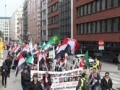
تظاهر عدد غفير من الأحوازيين امام مقر البرلمان الاوروبي في العاصمة البلجيكية بروكسل و ذلك بدعوة من حركة النضال العربي لتحرير الأحواز و التي قامت هذه الاخيرة منذ شهر ينايرهذا العام باقامة مظاهرتين سابقتين في العاصمتين الاوروبيتين كوبنهاغن الدنيماركية و فيينا النمساوية.
و قد دعا نشطاء حقوقيون المواطنين الأحوازيين للحضور في هذه المظاهرة و التي اقيمت في 6.03.2015.
و حضر هذه المظاهرة المئات من الأحوازيين من مختلف انحاء الدول الاوروبية نددوا فيها بالجرائم المستمرة التي تمارسها اللسطات الايرانية ضد الشعب العربي الأحوازي سيما ابناء الشعوب الغير فارسية كالاكراد و البلوش و الازريين.
و قبل اسابيع من اندلاع مظاهرة العشرين من نيسان (ذكرى النكبة و التي قالمت بها الحكومة بلاد فارس(ايران اليوم) في ابريل عام 1925 باحتلال الأحواز عسكريأ و انهاء الحكم العربي الأحوازي بالأحواز)ندد ايضأ المتظاهرون الأحوازيون بالا افة الى الجالية ابناء من الجالية السورية في اوروبا بالتدمير البيئي المتعمد بالأحواز و ايضأ دعم النظام الايراني لحكومة بشار الاسد في سوريا و التي راح ضحية هذا الدعم اكثر من 250 ضحية من الشعب السورية منذ عام 2011.
و طالب المتظاهرون المجتمع الاوروبي و المؤسسات الاوروبية و الدولية بالتدخل العاجل لوقف جريمة الاعدام و الاعتقالات العشوائية و سياسة التغيير الديموغرافي بالاحواز التي تمارسها اللسطات الايرانية .
المنظمة الأحوازية لحقوق الانسان
فيينا تشهد مظاهرة أحوازية عارمة تطالب المجتمع الاوروبي بوقف الجرائم الايرانية بالأحواز
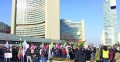
أيار 07, 2015شهدت العاصمة النمساوية فيينا مظاهرة أحوازية حاشدة امام مقر امم المتحدة للطاقة الذرية و ذلك في يوم الجمعة الموافق 20.02.2015.
و ندد المتظاهرون في هذه المظاهرة بالجرائم التي ترتكبها السلطات الايرانية ضد الشعب العربي الأحوازي مطالبين المجتمع الدولي باتخاذ موقف حازم تجاه مايحدث من جرائم ضد الانسانية في الأحواز.
و حضر هذه المظاهرة المئات من الأحوازيين رافعين بالاضافة الى العشرات من السوريين طالبوا فيها ايضا الحكومة الايرانية بالكف عن دعم نظام بشار اسد ضد الشعب السوري.
و بعد شهر من المظاهرة التي شهدتها العاصمة الدنيماريكة كوبنهاغن نظمت حركة النضال العربي لتحرير الأحواز هذه المظاهرة و ذلك للفت انظار العالم و المجتمع الدولي للقضية الأحوازية و
يذكر ان سبق و ان اقيمت مظاهرات في عام 2005 و 2006 في العاصمة النمساوية فيينا حضر فيها العشرات من الأحوازيين قد طالبوا في تلك الفترة السلطات الايرانية بوقف تنفيذ احاكو الاعدام ضد عشرة من السجناء الأحوازيين.
المنظمة الأحوازية لحقوق الانسان
كوبنهاغن؛
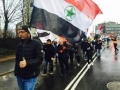
نظم الأحوازيون بالمنفى مظاهرة حاشدة في العاصمة الدنيماركية كوبنهاغن و ذلك في يوم السبت الموافق ل 10.01.2015و التي تعتبر الأول من نوعها التي شهدتها العاصمة كوبنهاغن.
و جاءت هذه المظاهرة على ضوء كما سبق في بيان دعت فيه حركة النضال العربي لتحرير الأحواز لحث المجتمع الدولي بالضغط على النظام الايراني لوقف الجرائم التي ترتكبها ايران ضد الشعب العربي الأحوازي.
و حضر هذه المظاهرة المئات من الأحوازيين و التي عرفت تحت عنوان” لن ننساكم أبداً ” اشارة الى الشهداء الأحوازيين الذين تم اعدامهم على يد السلطات الايرانية سيما المعتقلين الأحوازيين الذين مازالوا يقبعون في السدون الايرانية.
و بالرغم من هطول الامطار الغزيزة التي شهدتها مدينة كوبنهاغن اختتمت هذه المظاهرة امام السفارة ايرانية بعد ما هتف المتظاهرون هتافات طالبوا فيها اللسطات الايرانية بالكف عن الجرائم المتعمدة التي تمارسها ضد الشعب و الارض الأحوازيين.
المنظمة الأحوازية لحقوق الانسان
Whereabouts Unknown for More Than 75 Held After Protests
(New York) – Iran’s intelligence and security forces have rounded up and detained scores of Ahwazi Arabs, including several children, in what appears to be an escalating crackdown in Iran’s Khuzestan province, Amnesty International and Human Rights Watch said today.
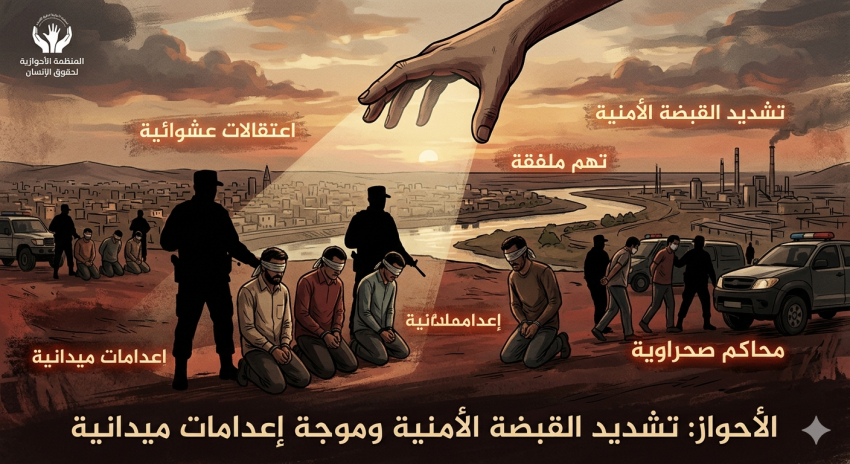
According to activists and family members, many arrests took place in the lead-up to the tenth anniversary of mass anti-government demonstrations that gripped the Arab-populated province in April 2005. Family members said the arrests have been carried out without warrants by groups of armed masked men affiliated with Iran’s security and intelligence services, usually following home raids of Ahwazi Arab activists during the late evening or early morning hours. The human rights organizations expressed concern that people may have been arrested merely in connection with their perceived political opinions, for peacefully expressing dissent or for openly exhibiting their Arab identity and culture.
“The reported scale of the arrests against Ahwazi Arab activists in recent weeks is deeply alarming,” said Hassiba Hadj Sahraoui, deputy Middle East and North Africa director at Amnesty International. “Instead of relying on arbitrary arrests, Iranian authorities should release those detained for peacefully demonstrating or speaking out and promptly charge any others with a recognizably criminal offense and ensure they receive a fair trial or release them.”
Iranian authorities should provide the families of all detainees with information about their whereabouts and legal status, the organizations said.
Ahwazi Arab activists outside Iran told Amnesty International and Human Rights Watch that security forces have arrested at least 78 people, and possibly more than 100, since mid-March 2015 in the city of Ahvaz, the Khuzestan provincial capital, and surrounding towns and villages following largely peaceful protests. They said those arrested include people suspected of playing leadership roles in mobilizing local protests. Iranian authorities have not given a reason for the arrests or revealed the status and whereabouts of the detainees, placing them at increased risk of torture and other ill-treatment, the human rights organizations said.
Security forces arrested Hatam Ebyat, a 35-year-old activist from the town of Hamidieh, on 6 April, after they raided his house at 2 a.m., according to Hossein Moayedi, a friend of Ebyat residing outside Iran. The authorities have not since given his family any information about his whereabouts and legal status. Moayedi said that since 2005, the authorities have arrested Ebyat every year before the April anniversary, holding him in solitary confinement in an Intelligence Ministry detention center in Ahvaz without access to his family or lawyer for several weeks. Moayedi said that during past arrests Ebyat was severely beaten and tortured to obtain “confessions” about “having relationships with foreign states” and “engaging in armed activities,” and then released on a hefty bail.
Moayedi said that Ebyat has always told his interrogators that he does not support armed activities and only seeks the rights guaranteed to minorities in Iran’s constitution. Ebyat, who has a meat shop in Hamidieh, is mainly active in organizing Eid and other religious and cultural festivities and encouraging youth to wear traditional Arab clothing and participate in peaceful anti-government protests.
Mustafa Haidari, a 17-year-old from the neighbourhood of Koi Alawi in the city of Ahvaz, was arrested on April 7, apparently for his role in planning a peaceful protest to mark the April 15 anniversary. His uncle, Abdulrahman Haidari, who is outside Iran, told Amnesty International that he is in touch with the family in Koi Alawi and who told him that dozens of armed riot police wearing masks and black uniforms burst into the family home at 2 a.m. on April 7 and arrested the teenager. The men refused to provide a warrant or provide a reason for his arrest, Abdulrahman Haidari said, adding that the authorities have not since provided any information about Mustafa Haidari’s condition and whereabouts despite the family’s repeated request from the Information Headquarter of the Ministry of Intelligence in Ahvaz.
Abdulrahman Haidari said his family told him that the same evening riot police also arrested several other men from the neighborhood, including Mustafa Haidari’s neighbors Basem Batrani and Mahmoud Sawari, who were also involved in planning an anniversary protest.
The latest round of arrests has taken place amid the anger that has swept the province following the death of Younes Asakereh, an Ahwazi Arab street vendor who set himself on fire on March 13, 2015, to protest municipal authorities’ removal and destruction of his fruit stand. He was denied adequate emergency treatment and transport to Tehran due to lack of funds and died of his injuries on March 22, a source familiar with the details of his case told Human Rights Watch. Ahwazi Arab demonstrators then took to the streets in large numbers in the provincial city of Khorramshahr. There are reports that authorities have repeatedly harassed Asakereh’s family, including delaying delivery of the body to the family and temporarily detaining his father and brother before his burial.
Several days before Asakereh’s death, a protest erupted outside Ahvaz’s Ghadir Stadium after mostly young Ahwazi Arab men displayed a banner during a soccer match between Saudi Arabia’s Al-Hilal and the local team, Foolad, in Ahvaz’s Ghadir Stadium, that read “We are all Younes!” Police then arrested several dozen men, beating them on their backs and heads. The police seem to have particularly targeted men dressed in traditional Arab clothing.
As a party to the International Covenant on Civil and Political Rights, Iran has an obligation to respect the right to freedom of expression (Article 19) and peaceful assembly (Article 21). It also must ensure that ethnic and linguistic minorities are not denied “the right, in community with the other members of their group, to enjoy their own culture…or to use their own language” (Article 27). Similar guarantees are provided under the International Covenant on Economic, Social and Cultural Rights, including in Articles 2 and 15, which recognize the right to take part in cultural life without discrimination.
Khuzestan province, where much of Iran’s oil and gas reserves are located, has a large Arab population, estimated at between 2.5 and 5 million. Despite Khuzestan’s natural resource wealth, the province is plagued with severe socioeconomic deprivation and high levels of air and water pollution. Concentrated in poor urban outskirts lacking in basic facilities, many Iranian Arabs have alleged that the government systematically discriminates against them, particularly in employment, housing, access to political office, and the exercise of cultural, civil, and political rights. The inability to use their mother language as a medium of instruction for primary education is also a source of deep resentment and frustration.
“Instead of intensifying repression, the authorities should address long-standing Ahwazi Arab grievances over entrenched discrimination and denial of cultural rights,” said Joe Stork, deputy Middle East and North Africa director at Human Rights Watch. “Arbitrary arrests and imprisonment will not make Ahwazi Arab grievances disappear.”
Protests and Arrests
On March 17, several days after Asakereh’s self-immolation, mostly young Ahwazi Arab men displayed a banner at a soccer match between Saudi Arabia’s Al-Hilal and the local team, Foolad, in Ahvaz’s Ghadir Stadium, that read “We are all Younes!” in Arabic, and chanted “We sacrifice our blood and soul for you Ahvaz!” (bi'r-ruh bi'd-dem nefdik ya Ahvaz). Pictures and video recordings reviewed by Amnesty International and Human Rights Watch from that day appear to show a large numbers of riot police cars surrounding the stadium and blocking the exits at the end of the match. Police then arrested several dozen men, beating them on their backs and heads. The police seem to have particularly targeted men dressed in traditional Arab clothing. The rights organizations could not independently verify the authenticity of the videos and images.
The security response sparked disorder and clashes outside the Stadium on March 17 between police and protesters, some of whom threw stones and other objects at the police. The rights groups received information from activists outside Iran that authorities intend to prosecute 17-year-old Sajad Bouazar in Ahvaz Revolutionary Court for his alleged role in setting a police car on fire during the March 17 clashes, although it was not possible to independently confirm the information.
On March 18, the provincial deputy police chief, Col. Rahman Mousawi, denied that riot police targeted people with traditional Arabic clothing and announced that all those arrested have since been released. Ahwazi Arab rights groups outside the country said they were in touch with families in Ahvaz and that they believe many of those arrested on March 17 are still detained with their whereabouts remaining unknown. Those still detained include, according to Ahwazi Arab rights groups outside Iran, Reda Naqrawi, Ali Hanoun Sawari, Hassan Sawari, Mohammad Sawari, Hamid Sawari, Sayed Said Sawari, and Majed Sawari. The rights group said that fear of reprisal prevented the families from speaking directly with Amnesty International and Human Rights Watch to verify whether the men remain in detention.
On April 8, security forces arrested Ahmad Hazbawi after a video, the authenticity of which Amnesty International and Human Rights Watch could not independently verify, went viral on the internet. It appears to show him singing a song in Arabic praising Saudi Arabia’s military action in Yemen, to a jubilant audience at a wedding ceremony in the village of Qalaat Chanan near Ahvaz. A relative outside Iran told Amnesty International that several plain-clothes intelligence officials, accompanied by armed men in black uniforms and masks, went to Hazbawi’s small shop around 6 p.m. and beat and dragged him to their car, then abducted him. He added that officials also detained Hazbawi’s wife at an Intelligence Ministry detention facility for several hours the next day when she went to seek information about his whereabouts, but later freed her. There is no information currently available about him.
On April 14, security forces arrested Mehdi Cheldawi, a 23-year-old Ahwazi Arab activist from the neighbourhood of Koi Alawi. His brother, Ali Cheldawi, who is outside Iran, told Amnesty International that plain-clothes intelligence officers raided the family house without a warrant at 4 a.m. and arrested Mehdi Cheldawi. The officers refused to answer his father’s questions about the reasons for the arrest and where his son was being taken, according to Ali Cheldawi.
Ali Cheldawi said that Mehdi Cheldawi suffered from internal bleeding and a ruptured eardrum resulting from torture and other ill-treatment at the hands of Ahvaz intelligence officials during a previous eight-month long detention in 2014.
The Legacy of the 2005 Protests
In the wake of the unrest that coincided with the 10th anniversary of the 2005 mass demonstrations, scattered groups of young men in impoverished Arab-populated neighbourhoods in Ahvaz such as Malashiya and Koi Alawi have gathered in the streets chanting as night falls. This area has been referred to since 2005 as the district of “Revolution” (Al-Thoura) by its Arab residents. Ahwazi Arab sources report that men from nearby towns or villages such as Kot Abdollah, Hamidieh, Sosangerd (also known as Khafajieh), Qala’at Chan’an, Shush and Dar Khewain sometimes join these gatherings or organize similar ones in their own areas.
The 2005 protests erupted following the publication of a letter allegedly written by then Vice-President Mohammad Ali Abtahi. The letter referred to government plans to implement policies that would reduce the proportion of Arabs in Khuzestan’s population. After security forces tried to disperse the demonstrators and opened fire on them, clashes between protesters and security forces turned violent. The next day, Abtahi and other government officials denied the authenticity of the letter, calling it fake. Security forces reportedly killed at least 50 protesters and detained hundreds more during the 2005 protests.
Amnesty International and Human Rights Watch have documented arbitrary arrests, detentions, and torture against of Ahwazi Arab protesters and activists in recent years. Since 2005, authorities have executed at least 37 Ahwazi Arabs following unfair trials, including at least two designated by Amnesty as prisoners of conscience, Hadi Rashedi and Hashem Shabani from Al-Hiwar Cultural Institute. Based on the circumstances and treatment of previous Ahwazi Arab detainees linked to protests, those recently arrested in March and April 2015 could be held incommunicado and in solitary confinement in one of the Intelligence Ministry’s undisclosed detention centres in Ahvaz placing them at increased risk of torture and other ill-treatment.
The 2005 crackdown led to a cycle of violence throughout Khuzestan province, including several fatal bomb attacks in June and October 2005 and in January 2006 that killed 12 people. In response, the Iranian government imprisoned large numbers of activists it claimed were Arab separatists responsible for terrorist attacks against civilians, and sentenced more than a dozen people to death on terrorism-related charges after unfair trials relying on evidence obtained through torture and other ill-treatment.
On April 2, 2015, Iranian media reported that unknown assailants had attacked and killed three police officers, two of whom were themselves Arab, in Hamidieh, injuring two others. Several days later, on April 21, Iranian officials announced they had captured the suspects. It is not clear if the attack was politically motivated or had other reasons behind it.
Names of people reported arrested (with their age, when available) in Khuzestan Province since March 17 provided by Ahwazi activists outside Iran. Amnesty International and Human Rights Watch could not independently verify whether the individuals listed were arrested or remain in detention.
Ahvaz, Koi Alawi Neighbourhood
- Basem Batrani
- Mehdi Cheldawi (23)
- Hakim Doraqi
- Raed Fares
- A. Hashem
- Ahmad Haidari (31)
- Ali Haidari (37)
- Mustafa Haidari (17)
- Ali Mousawi
- Reda Naqrawi
- Ali Sawari
- Basem Sawari
- Hamid Sawari
- Hassan Sawari
- Majed Sawari
- Mahmoud Sawari
- Mohammad Sawari
- Sayed Said Sawari
- Reza Sayahi (23)
Ahvaz, Malashiya Neighbourhood
- Mohammad Afrawi (24)
- Mohammad Bawi (27)
- Sadeq Haidari (25)
- Khaled Sharifi (23)
- Hasaan Sawari
- Majed Sudani (24)
Ahvaz, Darvishieh Neighbourhood
- Maki Doraqi (28)
Ahvaz, Qalat Chanan Village
- Ahmad Hazbawi
Ahvaz, Arab Rashid Village
- Shiekh Qasam Bawi (50)
Hamidieh
- Abed Ebyat
- Hatam Ebyat (35)
- Abbas Aninpour (34)
- Salem Atshani (37)
- Mohammad Halafi (24)
- Ali Hardani (32)
- Moslem Khasraji
- Hadi Marmazi (23)
- Ahmad Marmazi
- Hadi Marwani (23)
- Ahamd Mohamadi
- Adel Neisi (30)
- Mohammad Neisi (25)
- Saeed Neisi (28)
- Malek Shakhi (25)
- Mehdi Sayahi (23)
- Yousef Sayahi (34)
- Hadi Obaidawi (31)
- Mahmoud Obaidawi (20)
- Qais Obaidawi (25)
- Mohammad Sayyahi
- Hakim Zabi (25)
Shush, Hamidabad Village
- Sayed Alawi
- Mohammad Chenani (21)
- Sheikh Farhan Qasem Mohammed Chenani
- Sheikh Khaled Shoja Ali Zamel Chenani
- Sheikh Anat Mohammad Chenani
- Mohammad Dabbat
- Hassan Dabbat
- Hamed Hussein (15)
- Mustafa Kaabi (23)
- Mohammad Motar (19)
Khoramshahr, Dor Khewain Village
- Adnan Zewidat (26)
- Adel Zewaidat (25)
- Emad Zewaidat (19)
- Milad Zewaidat (19)
- Nabil Zewaidat (19)
- Saad Zewaidat (30)
Susangerd
- Mustafa Haidari (25)
- Reza Haidari (32)
- Hassoun Jallali
- Rasoul Naderi
- Mohamad Jawad Sabhani(18)
- Ali Saeedi (23)
- Mahdi Saidi
- Sadeq Sawari (24)
- Aliraza Obidawi (18)
Khoramshahr
- Javad Matouri (30)
Abadan
- Mohammad Nesari
Howiza City
- Sajjad Bou’zar (17)
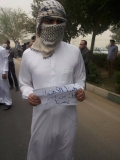
قوات الامن الايرانية تضرب و تعتقل المحتجين أحوازيين ضد الكارثة البيئية بالأحواز
شباط/فبراير 12, 2015واجهت قوات الامن الايرانية في مدينة الأحواز العاصمة المحتجين الأحوازيين الذين اجتمعوا لليوم الرابع على التوالي اعتراضأ على الاوضاع البيئية الخطرة التي راح ضحيتها المئات من المواطنين الأحوازيين.
و قد قامت قوات الامن الايرانية بمحاصرة المحتجين السلميين و ضربهم و اعتقال عدد منهم.
و في ظل التلوث البيئي التي مازالت تشهده المدن الأحوازية منذ مايقارب الاسبوع واحد على التوالي قام عدد من المواطنين الأحوازيين بدعوة للتعبير عن رأيهم الرافض للسياسات العنصرية و الممنهجة الايرانية ضد الشعب العربي الأحوازي.
و ندد المتظاهرون اثناء تواجدهم امام مقر المحافطية بمدينة الأحواز العاصمة عن اهمال اللسطات الايرانية و عدم اتخاذ اجرات حقيقة وصارمة ضد الكارثة البيئية بالأحواز و التي هي نتيجة لبناء السدود و تجفيف الانهر و الاهوار.
و تقوم السلطات الايرانية و منذ عقود ببناء العشرات من السدود بالأحواز و التي تجاوزت الى الان ال 77 سدأ ، هذا بالاضافة الى تجفيف هور الفلاحية و هور الحويزة و التي تبلغ مساحتهما المليون و نصف المليون هكتار.
و راح ضحية هذه السياسة الالاف من المواطنين الأحوازيين الذين اصيبوا بامراض التنفس و الرئة و سرطان الدم الا ان السلطات الايرانية مازالت مستمرة بمواصلة مشاريعها السياسية بالأحواز و اخفاء الجرائم.
و قد احتلت الأحواز قائمة المدن الاكثر تلوثأ بالعالم في عام 2009 و التي وصلت نسبة التلوث انذاك لكل متر مكعب الى 372 ميكروغراما و ذلك حسب تقاير منظمة الصحة العالمية حتى تحتل المكان نفسه في 2013.
و استمرت حالة التلوث البيئي بالأحواز نتيجة لاستمرار المشاريع السياسية كبناء السدود و تحريف مجرى المياه و تجفيف الانهر و الاهوار حتى ارتفعت نسبتها حسب تقارير الرسمية للسلطات الايرانية 70 اضعافأ.
و طالب نشطاء أحوازيون منظمة الصحة العالمية و منظمة السلام الاخضر العالمية و منظمات بيئية حكومية و غير حكومية اخرى بالتحرك العاجل لانقاذ العالم من كارثة انسانية سوف تشهدها المدن الأحوازية .
اضغط هنا لمشاهدة تعامل السلطات الامنية ايرانية مع المحتجين سليمأ ضد التلوث البيئي بالأحواز
https://www.youtube.com/watch?v=VcU_ASwMpKw&feature=youtu.be
اضغط هنا لمشاهدة التلوث البيئي بالأحواز
https://www.youtube.com/watch?v=RDxPQFCOeVY
المنظمة الأحوازية لحقوق الإنسان