



Document - Iran: Halt Execution of Arab Minority Men. Four Ahwazi Arabs Sentenced to Hang After Unfair Trials
تموز/يوليو 26, 2013AMNESTY INTERNATIONAL
JOINT PUBLIC STATEMENT
AI Index: MDE 13/031/2013
26 July 2013��Iran: Halt Execution of Arab Minority Men
Four Ahwazi Arabs Sentenced to Hang After Unfair Trials ��(London, July 26, 2013) – Iran’s judiciary should stop the executions of four members of Iran’s Ahwazi Arab minority because of grave violations of due process, Amnesty International, the Iran Human Rights Documentation Center, and Human Rights Watch said today. The judiciary should order a new trial according to international fair trial standards in which the death penalty is not an option. Family members and Ahwazi Arab rights activists have told human rights groups that the detainees contacted their families on July 16, 2013 and said they feared that authorities were planning to carry out the execution orders any day now.
According to information gathered by the rights groups, authorities kept the defendants, including three others who have received unfair prison sentences, in incommunicado pretrial detention for months. The authorities denied them access to a lawyer and harassed and detained their family members. The trial suffered from procedural irregularities and the convictions were based on “confessions” that defendants said had been obtained by torture. There is no record the trial court investigated their torture allegations.
“The absence of lawyers at key stages in the proceedings and the credible allegations of coerced “confessions” cast strong doubts on the legitimacy of the Ahwazi Arabs’ trial, let alone the death sentences,” said Tamara Alrifai, Middle East advocacy director at Human Rights Watch. “The fact that the government has an appalling rights record against Iran’s Ahwazi Arab minority only makes the case for the need for a fair trial stronger.”
The court sentenced Ghazi Abbasi, Abdul-Reza Amir-Khanafereh, Abdul-Amir Mojaddami, and Jasim Moghaddam Payam to death for the vaguely-defined “crimes” of moharebeh (“enmity against God”) and ifsad fil-arz (“corruption on earth”). These charges related to a series of shootings that allegedly led to the death of a police officer and a soldier. The court sentenced three other defendants --Shahab Abbasi, Sami Jadmavinejad, and Hadi Albokhanfarnejad -- to three years in prison in the northwestern city of Ardebil for lower-level involvement in the shootings. The lower court issued its judgment a week after a trial that lasted approximately two hours, said letters to Ahwazi Arab rights groups allegedly written by the defendants.
Security and intelligence forces have targeted Arab activists since April 2005 after reports that Iran’s government planned to disperse Ahwazi Arabs from the area and to attempt to make them to lose their identity as Ahwazi Arabs.
The Iranian authorities have executed dozens of people since the disputed 2009 presidential election, many of them from ethnic minorities, for alleged ties to armed or “terrorist” groups. Following unrest in Khuzestan in April 2011, the human rights groups received unconfirmed reports of up to nine executions of members of the Arab minority. In June 2012, a further four were executed and reports suggest that five were executed in April 2013.
Branch 1 of the Revolutionary Court of Ahvaz, the capital of Khuzestan province, issued the sentences on August 15, 2012. Branch 32 of Iran’s Supreme Court affirmed the sentences in February 2013. Revolutionary courts are authorized to try cases classified by the judiciary as pertinent to political and national security matters. Their trials take place behind closed doors, and revolutionary court prosecutors and judges are allowed, under longstanding legislation, extraordinary discretionary powers, especially during the pretrial investigation phase, to limit or effectively prevent the involvement of defense lawyers.
The revolutionary court’s judgment, a copy of which the human rights groups reviewed, said the court convicted the seven men for the vaguely-defined “crimes” of moharebeh (“enmity against God”) and ifsad fil-arz (“corruption on earth”). The court found that the defendants had established a “separatist ethnic” group that “used weapons and engaged in shooting in order to create fear and panic and disrupt public security.”
None of the defendants had a prior criminal record, the judgment says. All seven are residents of Shadegan (also known as Fallahiya in Arabic), approximately 100 kilometers south of Ahvaz.
In several of the letters, the writers said that security and intelligence forces had held the seven men in incommunicado detention for months, subjected them and their family members to detention and ill-treatment to secure “confessions”, and tried them simultaneously in one session that lasted less than two hours. The letters said that none of the six lawyers present had an opportunity to present an adequate defense of their clients.
In one letter, the defendant alleges that despite the lack of evidence, intelligence agents pressed the revolutionary court to convict the men of moharebeh and ifsad fil-arz and to sentence them to death. In another letter, the defendants allege that none were questioned during pretrial interrogations about the supposed armed group – Kita’eb Al-Ahrar to which authorities say they belong, even though their alleged membership was used by the judiciary as the basis for their death sentences.
In a defense pleading criticizing the lower court’s ruling, a copy of which the rights groups reviewed, one of the lawyers criticizes the lower court’s ruling on several grounds, including the court’s failure to look into the defendants’ allegations that their “confessions” were extracted under torture.
The rights groups could not independently verify the authenticity of the letters or the defense pleading.
A former detainee who spoke to the human rights groups on condition of anonymity said that for about two weeks in 2011 he was in the same ward of Karun prison as the four men sentenced to death. He said that both Amir-Khanafereh and Ghazi Abbasi told him that during their time at the Intelligence Ministry detention facility in Ahvaz agents blindfolded them, strapped them to a bed on their stomachs, and beat them with cables on their backs and feet to get them to confess to using firearms.
The source also said that he observed black marks around the legs and ankles of Amir-Khanafereh and Abbasi, and that the two said the marks were caused by an electric shock device used at the Intelligence Ministry detention facility. The source said he had seen similar black marks on the legs of other Arab activists during his time in Karun prison. The former detainee said that Amir-Khanafereh and Abbasi told him that they were not allowed any visits and were held incommunicado by Intelligence Ministry officials for months.
�The judgment, which primarily relied on the alleged “confessions” of the defendants and circumstantial evidence, stated that the members of this group were involved, among other things, in several shootings at police officers and their property, and that the shootings led to the deaths of at least two officers.
The Supreme Court judgment, a copy of which the rights groups reviewed, affirmed the lower court’s ruling and identified the victims as a police officer, Behrouz Taghavi, shot and killed in front of a bank on February 26, 2009, and Habib Jadhani, a conscripted soldier, who was shot and killed in spring 2008. Both the lower court and Supreme Court judgements acknowledge that some of the defendants retracted their confessions at trial saying they were extracted under physical and psychological torture, but refused to acknowledge the validity of those retractions. There is no record of any investigation by either court into the allegations of torture.
Under articles 183 and 190-91 of Iran’s penal code, anyone found to have used “weapons to cause terror and fear or breach public security and freedom” may be convicted of moharebeh or ifsad fil-arz. Punishment for these charges includes execution by hanging.
“Considering putting to death the four Ahwazis after a fundamentally flawed trial during which basic safeguards such as rights of defense were blatantly disregarded and allegations of torture and ill-treatment dismissed is abhorrent, said Hassiba Hadj Sahraoui, deputy director of Amnesty International’s Middle East and North Africa Program. “At the very least, the defendants should be granted a new trial and the ability to properly defend themselves in court. Anything less would risk that these men be executed for a crime they may very well have not committed.”
Article 38 of the Iranian Constitution prohibits all forms of torture “for the purpose of obtaining confessions.” The Penal Code also provides for the punishment of officials who torture citizens to obtain confessions. Despite these legal and constitutional guarantees regarding confessions under duress, “confessions” are sometimes broadcast on television even before a trial has concluded and are generally accepted as evidence in Iranian courts. Such broadcasts violate Iran’s fair trial obligations, including the presumption of innocence under article 14 of the International Covenant on Civil and Political Rights (ICCPR), to which it is a state party.
The ICCPR fair trial provisions also require Iran to guarantee that all defendants should have adequate time and facilities to prepare their defense and to communicate with counsel of their own choosing. The UN Human Rights Committee has said that: “In cases of trials leading to the imposition of the death penalty scrupulous respect of the guarantees of fair trial is particularly important.”��Since June 14, the date of the recent presidential and local elections, unofficial and official sources have reported at least 71 executions. In 2012 Iran was one of the world’s foremost executioners, with more than 500 prisoners hanged either in prisons or in public.
“Four men are facing the gallows after a judge brushed aside their statement that their confessions were coerced,” said Gissou Nia, Executive Director of the Iran Human Rights Documentation Center. “At the very least, they deserve a fair trial and an impartial investigation of the abuse they say was used to force them to confess
26.07.2013

Human Rights Watch:Iran: Halt Execution of Arab Minority Men
تموز/يوليو 26, 2013
Four Ahwazi Arabs Sentenced to Hang After Unfair Trials
Beirut) – Iran’s judiciary should stop the executions of four members of Iran’s Ahwazi Arab minority because of grave violations of due process, Amnesty International, the Iran Human Rights Documentation Center, and Human Rights Watch said today. The judiciary should order a new trial according to international fair trial standards in which the death penalty is not an option. Family members and Ahwazi Arab rights activists have told human rights groups that the detainees contacted their families on July 16, 2013 and said they feared that authorities were planning to carry out the execution orders any day now.
According to information gathered by the rights groups, authorities kept the defendants, including three others who have received unfair prison sentences, in incommunicado pretrial detention for months. The authorities denied them access to a lawyer and harassed and detained their family members. The trial suffered from procedural irregularities and the convictions were based on “confessions” that defendants said had been obtained by torture. There is no record the trial court investigated their torture allegations.
“The absence of lawyers at key stages in the proceedings and the credible allegations of coerced ‘confessions’ cast strong doubts on the legitimacy of the Ahwazi Arabs’ trial, let alone the death sentences,” said Tamara Alrifai, Middle East advocacy director at Human Rights Watch. “The fact that the government has an appalling rights record against Iran’s Ahwazi Arab minority only makes the case for the need for a fair trial stronger.”
The court sentenced Ghazi Abbasi, Abdul-Reza Amir-Khanafereh, Abdul-Amir Mojaddami, and Jasim Moghaddam Payam to death for the vaguely-defined “crimes” of moharebeh (“enmity against God”) and ifsad fil-arz (“corruption on earth”). These charges related to a series of shootings that allegedly led to the death of a police officer and a soldier. The court sentenced three other defendants – Shahab Abbasi, Sami Jadmavinejad, and Hadi Albokhanfarnejad – to three years in prison in the northwestern city of Ardebil for lower-level involvement in the shootings. The lower court issued its judgment a week after a trial that lasted approximately two hours, said letters to Ahwazi Arab rights groups allegedly written by the defendants.
Security and intelligence forces have targeted Arab activists since April 2005 after reports that Iran’s government planned to disperse Ahwazi Arabs from the area and to attempt to make them lose their identity as Ahwazi Arabs.
The Iranian authorities have executed dozens of people since the disputed 2009 presidential election, many of them from ethnic minorities, for alleged ties to armed or “terrorist” groups. Following unrest in Khuzestan in April 2011, the human rights groups received unconfirmed reports of up to nine executions of members of the Arab minority. In June 2012, a further four were executed and reports suggest that five were executed in April 2013.
Branch 1 of the Revolutionary Court of Ahvaz, the capital of Khuzestan province, issued the sentences on August 15, 2012. Branch 32 of Iran’s Supreme Court affirmed the sentences in February 2013. Revolutionary courts are authorized to try cases classified by the judiciary as pertinent to political and national security matters. Their trials take place behind closed doors, and revolutionary court prosecutors and judges are allowed, under longstanding legislation, extraordinary, discretionary powers, especially during the pretrial investigation phase, to limit or effectively prevent the involvement of defense lawyers.
The revolutionary court’s judgment, a copy of which the human rights groups reviewed, said the court convicted the seven men for the vaguely-defined “crimes” of moharebeh (“enmity against God”) and ifsad fil-arz (“corruption on earth”). The court found that the defendants had established a “separatist ethnic” group that “used weapons and engaged in shooting in order to create fear and panic and disrupt public security.”
None of the defendants had a prior criminal record, the judgment says. All seven are residents of Shadegan (also known as Fallahiya in Arabic), approximately 100 kilometers south of Ahvaz.
In several of the letters, the writers said that security and intelligence forces had held the seven men in incommunicado detention for months, subjected them and their family members to detention and ill-treatment to secure “confessions”, and tried them simultaneously in one session that lasted less than two hours. The letters said that none of the six lawyers present had an opportunity to present an adequate defense of their clients.
In one letter, the defendant alleges that despite the lack of evidence, intelligence agents pressed the revolutionary court to convict the men of moharebeh and ifsad fel-arz and to sentence them to death. In another letter, the defendants allege that none were questioned during pretrial interrogations about the supposed armed group – Kita’eb Al-Ahrar to which authorities say they belong, even though their alleged membership was used by the judiciary as the basis for their death sentences.
In a defense pleading criticizing the lower court’s ruling, a copy of which the rights groups reviewed, one of the lawyers criticizes the lower court’s ruling on several grounds, including the court’s failure to look into the defendants’ allegations that their “confessions” were extracted under torture.
The rights groups could not independently verify the authenticity of the letters or the defense pleading.
A former detainee who spoke to the human rights groups on condition of anonymity said that for about two weeks in 2011 he was in the same ward of Karun prison as the four men sentenced to death. He said that both Amir-Khanafereh and Ghazi Abbasi told him that during their time at the Intelligence Ministry detention facility in Ahvaz agents blindfolded them, strapped them to a bed on their stomachs, and beat them with cables on their backs and feet to get them to confess to using firearms.
The source also said that he observed black marks around the legs and ankles of Amir-Khanafereh and Abbasi, and that the two said the marks were caused by an electric shock device used at the Intelligence Ministry detention facility. The source said he had seen similar black marks on the legs of other Arab activists during his time in Karun prison. The former detainee said that Amir-Khanafereh and Abbasi told him that they were not allowed any visits and were held incommunicado by Intelligence Ministry officials for months.
The judgment, which primarily relied on the alleged “confessions” of the defendants and circumstantial evidence, stated that the members of this group were involved, among other things, in several shootings at police officers and their property, and that the shootings led to the deaths of at least two officers.
The Supreme Court judgment, a copy of which the rights groups reviewed, affirmed the lower court’s ruling and identified the victims as a police officer, Behrouz Taghavi, shot and killed in front of a bank on February 26, 2009, and Habib Jadhani, a conscripted soldier, who was shot and killed in spring 2008. Both the lower court and Supreme Court judgements acknowledge that some of the defendants retracted their confessions at trial saying they were extracted under physical and psychological torture, but refused to acknowledge the validity of those retractions. There is no record of any investigation by either court into the allegations of torture.
Under articles 183and 190-91of Iran’s penal code, anyone found to have used “weapons to cause terror and fear or breach public security and freedom” may be convicted of moharebeh or ifsad fil-arz. Punishment for these charges includes execution by hanging.
“Considering putting to death the four Ahwazis after a fundamentally flawed trial during which basic safeguards such as rights of defense were blatantly disregarded and allegations of torture and ill-treatment dismissed is abhorrent, said Hassiba Hadj Sahraoui, deputy director of Amnesty International’s Middle East and North Africa Program. “At the very least, the defendants should be granted a new trial and the ability to properly defend themselves in court. Anything less would risk that these men be executed for a crime they may very well have not committed.”
Article 38 of the Iranian Constitution prohibits all forms of torture “for the purpose of obtaining confessions.” The Penal Code also provides for the punishment of officials who torture citizens to obtain confessions. Despite these legal and constitutional guarantees regarding confessions under duress, “confessions” are sometimes broadcast on television even before a trial has concluded and are generally accepted as evidence in Iranian courts. Such broadcasts violate Iran’s fair trial obligations, including the presumption of innocence under article 14 of the International Covenant on Civil and Political Rights (ICCPR), to which it is a state party.
The ICCPR fair trial provisions also require Iran to guarantee that all defendants should have adequate time and facilities to prepare their defense and to communicate with counsel of their own choosing. The UN Human Rights Committee has said that: “In cases of trials leading to the imposition of the death penalty scrupulous respect of the guarantees of fair trial is particularly important.”
Since June 14, the date of the recent presidential and local elections, unofficial and official sources have reported at least 71 executions. In 2012, Iran was one of the world’s foremost executioners, with more than 500 prisoners hanged either in prisons or in public.
“Four men are facing the gallows after a judge brushed aside their statement that their confessions were coerced,” said Gissou Nia, Executive Director of the Iran Human Rights Documentation Center. “At the very least, they deserve a fair trial and an impartial investigation of the abuse they say was used to force them to confess
http://www.hrw.org/news/2013/07/26/iran-halt-execution-arab-minority-men
26.07.2013
Five Iranian Ahwazi Arab men facing execution are on hunger strike
تموز/يوليو 25, 2013This is in protest at the Supreme Court’s decision to uphold their death sentences.
They are also protesting against their treatment in prison, including torture and other ill-treatment, and the authorities’ refusal to allow them medical care.
The men were arrested in early 2011 and sentenced to death on 7 July 2012 after being convicted of vaguely worded national security “offences” including “enmity against God and corruption on earth”, "gathering and colluding against state security”, and “spreading propaganda against the system” following an unfair trial.
Send an appeal on behalf of the five men to:
Head of the Judiciary, Ayatollah Sadegh Larijani
Amnesty International
http://www.amnesty.ie/content/five-iranian-ahwazi-arab-men-facing-execution-are-hunger-strike
The hunger strike of 3 Al Ahwaz prisoners to protest confession Under brutal torture
تموز/يوليو 19, 2013The reliable sources of Al Ahwaz human rights organization have reported that the three Al Ahwazy prisoners are continuing their 17 days hunger strike to protest the unjustifiable verdicts against them follwoing the forced confession under brutal psychological and physical torture in Karoon prison of Al Ahwaz. The prisoners were transfered to the Iranian intelligence center of Al Ahwaz for the forced confession under serious and brutal torture by the Iraninan Intellignece authorities.
They have also reported that the three prisoners named Ali Jobeishat AlKaabi(47 years of age), Salman Shayan AlKaebi(32 years of age) and Yassin AlMusawi (34 years of age) are suffering from serious heath status and Mr.Ali Jobeishat AlKaabi has been transfered on three different times in one day to the local hospital under tight security.
The reports have also indicated that the Iranian authorities by the use of brutal torture have forced the three detainees to the false confession for the occurrence of some explosions during the past one year in the oil pipelines between the cities of AL Ahwaz and Shoosh.
The Iranian security forces in assistance with the Intelligence authorities on November 11th, 2012 without any official warrant have also attempted to arrest six other Arab Citizens in the village of Khalif Muslem district of Shoosh. The detainees are being held in an unknown detention location of the Shoosh Intelligence service. The detainees have also been facing serious physical and mental torture for the past six months for a forced confession . The forced cofession under brutal torture is a clear violation of the international human rights laws.
The government controlled English channel Press T.V. on June 26th, 2013 broadcasted the fabricated confessions by the prisoners following the brutal mental and physical torture by the Intelligence service authority.
The Al Ahwaz human rights organization has reported that the three prisoners were members of the cultural organization called the Youth Foundation Cultural Center of Shoosh District. The cultural center was holding free training classes to assist the men and females of Shoosh District for the University’s entry exams at the local mosques and more than 45 students have successfully completed the required courses and dozens are being currently trained for the required entry exams to their selected universities.
The three detainees are as following
1- Ali Cheh -beishat(AlKaebi) ,born on 1966 and married with nine children , he was a member of the Youth Foundation Cultural Center located in Shoosh and was arrested with two of his sons named Hussein (29 years old) and Salah Eldean (22 years old ) by the Iranian security forces in assistance with the Intelligence authorities on November 11th, 2012 without any official warrant or any clear charges for the arrest at the village of Khalif Muslem district of Shoosh.He was brutaly tortured and faced serious bone and ribs injuries by the intelligence serivce authority in prison while being witnessed by his two sons
2- Seied Yasin AlMousavi son of Seied Saedoon , 34 years of age and a member of the Youth Foundation Cultural Center at the village of Khalif Muslem district of Shoosh was arrested on November 11th, 2012
3- Hussein Shayan (AlKaebi) 32 years of age and married with one child was also an active member of the Youth Foundation Cultural Center at the village of Kalif Muslem district of Shoosh is also detained for two years for his cultural activities
The Al Ahwazi human rights organization condemns such sentences and requests the urgent actions of the international community, human rights organizations and the non-governmental organizations to pressure the government of Iran in order to save the innocent lives of the Al Ahwaz prisoners.
The Al Ahwazi human rights organization
19.07.2013


The Iran’s Supreme Court upheld the death sentences Of Four Arab Al Ahwaz political activists
تموز/يوليو 17, 2013The reliable sources have confirmed that four Al Ahwaz prisoners are waiting for their death sentences as the sentences were upheld on July 16th, 2013 by the Iran’s Supreme Court.
The four Al Ahwaz prisoners named Ghazy Abbasi, Jassem Moghadam Payam,Abdulreza Khanafereh, Abdulamir Mojadami were unofficially arrested on August 23rd , 2009 during an overnight raid on their homes at the city of Al Flahieh by the Iranian intelligence forces without any prior crimes or charges.
A confidential letter by one of the prisoners Mr.Ghazi Abbasi which was leaked outside of the prison has revealed that during the period of eleven months after their arrest have faced many serious physical and mental tortures in order to confess of their acts against the regime.
The trials of the four prisoners by the Iran’s revolutionary court of Al Ahwaz branch on August 15th, 2012 was totally unjustifiable and in less than one hour it finalized the death sentence by hanging for the four prisoners with the sentence approval No.9109976122100666. All prisoners refused to accept the charges and claimed that the confessions were taken under serious mental and physical torture.
The four prisoners were sentenced to death with the crime of corruption and threats against national security of Iran for cooperation with the liberal movement to seek autonomy of Al Ahwaz.
The four prisoners sentenced to death are only political activists who believe in the peaceful demonstrations for the struggle to achieve the rights of self-determination of Al Ahwaz Arab citizens in accordance with the international laws.
The names of four prisoners sentenced to death are:
1- Ghazy Abassi born on 1982 , single and residence of Al Falahieh
2- Jassem Moghadam Payam born on 1985, single and residence of Al Falahieh
3- Abdulreza Amir Khanafereh born on 1987,single and residence of Al Falahieh
4- Abdulamir Modadami born on 1980 , married and residence of Al Falahieh
The Iran revolutionary court has also sentenced three other Al Ahwaz prisoners to a three years prison term at the city of Ardebil in northern Iran.
The names of the three prisoners are as following:
1- Shahab Abassi born on 1986, single and residence of Al Falahieh. He is also the brother of Ghazy Abassi who has just been sentenced to death.
2- Hadi Albukhanfar Nejad son of Abdulkhazar, born on 1981 and married residence of Al Falahieh.
3- Sami Jedmavi Nejad son of Aziz, born on 1981 and single residence of Al Falahieh.
The Al Ahwazi human rights organization condemns unjustifiable death penalty sentences of all Arab prisoners, and this is a clear violation of the international and human rights laws. We request the international community, human rights organizations and the non-governmental organizations to pressure the government of Iran to stop the of death penalty sentences in Iran.
The Al Ahwaz human rights organization
16.07.2013
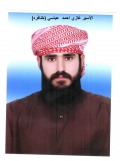
المحكمة العليا الايرانية تؤيد حكم الاعدام بحق اربعة نشطاء سياسيين أحوازيين
تموز/يوليو 16, 2013يواجه اربعة سجناء أحوازيين تنفيذ عقوبة الاعدام بعد ما تم تأييد حكم أعدامهم من قبل المحكمة العليا الايرانية و التي تأخذ من طهران مقرأ رئيسيأ لها و ذلك في يوم السبت الماضي الموافق ل 16.07.2013 حسب ما افادت مصادر مؤثقة.
السجناء الأحوازيين الاربعة(غازي عباسي و جاسم مقدم بيام ،عبدالرضا حنافره و عبدالامير مجدمي ) قد تم اعتقالهم في تأريخ 23.08.2009 في مدينة الفلاحية على يد قوات الامن الايرانية برفقة رجال من دائرة الاستخبارات بعد مداهمة بيوتهم ليلأ دون أي ترخيص رسمي من الجهات القانونية و دون توجيه اي تهمة.
و في رسالة سرية تم تسريبها من السجن لاحد السجناء (غازي عباسي بن احمد )جاء فيها ان السلطات الايرانية مارست خلال فترة الأحدى عشر شهرا منذ اعتقالهم ابشع انواع التعذيب الجسدي و النفسي على السجناء وذ لك لاخذ الاعترافات .
و قامت محكمة الثورة الايرانية الواقعة في مدينة الأحواز العاصمة بمحاكمة السجناء الاربعة لمدت ساعة واحدة فقط و احكمت عليهم بالاعدام شنقأ وفقأ لقرار رقم 9109976122100666 بتأريخ 15.08.2012 الا ان السجناء الاربعة رفضوا كل تلك التهم و الاعترافات مؤكدين ان كل تلك الاعترافات جاءت تحت التعذيب الجسدي و النفسي الذي مورس عليهم.
و قد وجهت محكمة الثورة الايرانية للسجناء الاربعة تهم المحاربة و الافساد في الارض و تهديد الامن القومي الايراني و الانتماء لحركة الاحرار التي تسعى لتحرير الأراضي الأحوازية من ايران و هي التهم التي تم رفضها من قبل المحكومين الاربعة امام قاضي محكمة الثورة الايرانية.
يذكر ان السجناء الاربعة و المحكوم عليهم بالاعدام هو نشطاء سياسيين على الساحة الأحوازية يؤمنون بالنضال أو التحرك السلمي لتحقيق حق تقرير المصير للشعب العربي الأحوازي وفقأ للقوانين الدولية .
اسماء السجناء المحكومين بالاعدام :
1_ غازي عباسي بن احمد، اعزب و من سكان مدينة الفلاحية ،ولد في عام 1982.
2_ جاسم مقدم بيام بن سعيد ،اعزب و من سكان مدينة الفلاحية ،ولد في عام 1985 .
3_عبدالرضا امير خنافرة بن يونس، اعزب و من سكان مدينة الفلاحية ،ولد في عام 1987.
4_عبدالامير مجدمي بن هوشنك،متزوج و من سكان مدينة الفلاحية ،ولد في عام 1980.
و قد حكمت محكمة الثورة على ثلاثة سجناء أحوازيين اخرين بالسجن لمدة ثلاثة اعوام و التبعيد الى سجن مدينة اردبيل في شمال ايران و هم :
1_ شهاب عباسي بن أحمد شقيق المحكوم بالاعدام رقم واحد غازي عباسي ، اعزب و من سكان مدينة الفلاحية ،ولد في عام 1986.
2_هادي البوخنفر نجاد بن عبدالخضر ،متزوج و من سكان مدينة الفلاحية ،ولد في عام 1981.
3_سامي جدماوي نجاد بن عزيز،اعزب و من سكان مدينة الفلاحية،ولد في عام 1981.
و تدين المنظمة الأحوازية الإنسان مثل هذه الأحام الجائرة و التي تعتبر انتهاكأ صارخأ للقوانين اإنسانية و الدولية ؛ مطالبة كافة المنظمات الإنسانية الحكومية و غير الحكومية بالتحرك العاجل لانقاذ ارواح السجناء الأحوازيين المحكوم عليهم بالاعدام و وضع حد لتنفيذ عقوبة الإعدام في ايران.
المنظمة الأحوازية لحقوق الإنسان
16.07.2013

استدعاء المواطن الأحوازي صلاح الدين جه بيشاط (الكعبي)للمثول امام محكمة الثورة الايرانية
تموز/يوليو 15, 2013استدعت الشعبة الثامن عشر من محكمة الثورة الايرانية الواقعة في مدينة الأحواز العاصمة المواطن الأحوازي صلاح الدين جه بيشاط (الكعبي) للمثول امام المحكمة التي يترأسها رجال دين تابعين للحرس الثوري الايراني اليوم الاثنين الموافق ل 15.07.2013.
و لم تتأكد بعد المنظمة الأحوازية لحقوق الإنسان من مكان المحاكمة و طبيعتهاو الطريقة التي يتحاكم بها المواطن الأحوازي صلاح الدين و اذا ماسمحت له المحكمة باتخاذ محام للدفاع عن نفسه.
المواطن صلاح الدين بن علي و الذي يبلغ من العمر 22 عامأ تم اعتقاله مع ثمانية اخرين منهم والده علي و شقيقه حسين في تأريخ 11.11.2013 على يد قوات الامن برفقة دائرة الاستخبارات الايرانية دون توجيه اي اتهام لهم و وضعوا في الزنزانات الانفرادية في مدينة السوس و دائرة الاستخبارات في مدينة الأحواز العاصمة.
يذكر ان السلطات الايرانية قد افرجت عن صلاح الدين مع خمسة من السجناء الاخرين دون ان تعوضهم فترة اعتقالهم و لكنها ترفض الافراج عن ثلاثة اخرين من المعتقلين و هم: علي جه بيشاط الكعبي(47 عامأ) و سلمان شايان الكعبي( 32 عامأ) و سيد ياسين الموسوي(34 عامأ).
في السياق نفسه فرض الاتحاد الاوروبي في تأريخ 12.03.2013 عقوبات على تسعة من القضات و المسؤولين اعلاميين ايرانيين،شملت هذه العقوبات اثنين من القضات في محكمة الثورة الايرانية الواقعة في الأحواز العاصمة و هما:مرتضى كياستي قاضي الشعبة الرابعة و الذي حكم بالاعدام على اربعة أحوازيين في 19 اذار (مارس) 2013 و الثاني هو:محمد باقر موسوي قاضي الشعبة الثانية لمحكمة الثورة الذي حكم بالاعدام على خمسة مواطنين أحوازيين بالاضافة الى فرض عقوبات على محمد سرافراز مدير قناة برس تي في الايرانية و هو عضو قيادي في الحرس الثوري الايراني.
المنظمة الأحوازية لحقوق الإنسان
15.07.2013
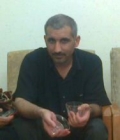
ثلاثة سجناء أحوازيين يضربون عن الطعام اعتراضأ على التعذيب الوحشي لاخذ الاعترفات منهم
تموز/يوليو 15, 2013أكدت مصادر المنظمة الأحوازية لحقوق الإنسان ان ثلاثة سجناء أحوازيين في السجون السرية التابعة لدائرة الاستخبارات الايرانية ، اضربوا عن الطعام منذ 12 يومأ احتجاجأ على الاحكام الجائرة التي سوف تصدر بحقهم و وضع حد للمارسة التعذيب الجسدي و النفسي الذي تمارسه السلطات الايرانية بحقهم في داخل السجن و اثناء انتقالهم الى دائرة الاستخبارات المركزية في مدينة الأحواز العاصمة لأخذ الاعترافات منهم .
و اضافت تلك المصادر ان كل من علي جه بيشاط الكعبي(47 عامأ) و سلمان شايان الكعبي( 32 عامأ) و سيد ياسين الموسوي(34 عامأ) يعانون من وضع صحي سيئ اذ نقل السجين علي جه بيشاط ثلاثة مرات في يوم واحد الى المستشفى للعلاج و تحت مراقبة امنية مشددة.
و ذكرت تلك المصادر ان السلطات الايرانية وضعت المعتقلين الثلاثة تحت التعذيب الوحشي اذ وجهت اليهم تهمأ ترتبط ببعض الانفجارات التي حدثت في العام الماضي في انابيب النفط مابين مدينة الأحواز العاصمة و السوس.
و قد تم اعتقال هؤلاء السجناء بالاضافة الى ستة اخرين من قبل قوات الامن برفقة الاستخبارات الايرانية في مدينة السوس و قرية خلف المسلم التابعة لهذه المدينة في تأريخ 11.11.2012 و ذلك دون اي ابلاغ قانوني من الجهات القانونية و وضعهم في السجون السرية التابعة للاستخبارات المركزية في مدينتي السوس و الأحواز العاصمة و وضعهم تحت التعذيب لمدة تتجاوز الستة اشهر لاخذ الاعترافات و الاعتراف و هو الامر الذي يتنافى تماما مع الحقوق الانسانية و الدولية بمافيها المادة الاولى لاتفاقية مناهضة التعذيب.
و قد قامت قناة برس تي في الايرانية و الناطقة باللغة الانجليزية في يوم الاربعاء الموافق 26.06.2013 ببث اعترفات مفبركة لهؤلاء المعتقلين الثلاثة و التي جاءت هذه الاعترافات بعد التعذيب الجسدي و النفسي الذي مارسته رجال دائرة الاستخبارات عليهم.
و وفقأ للمعلومات التي حصلت المنظمة عليها ان هؤلاء السجناء الثلاثة كانوا من ضمن مؤسسة ثقافية تحت عنوان موسسة الشباب الثقافية في مدينة السوس العاصمة و ضواحيها من القرى. تقوم هذه المنظمة بتنظيم صفوف دراسية مجانية لمساعدة الطلاب من الأناث و الذكور و القيام بامسيات شعرية في الجوامع اذا استطاعت هذه المؤسسة ان تساعد اكثر من 45 طالبة و عشرات الطلاب في دخولهم الى الجامعات بمختلف المجالات و الفروع الدراسية.
المعتقلين الثلاثة هم:
علي جه بيشاط( الكعبي )_متزوج و لدية تسعة اطفال من الأناث و الذكور _ولد في عام 1966 _ عضو في مؤسسة الشباب الثقافية و يسكن في قرية كعب خلف المسلم _تم اعتقاله مع اثنين من ابنائه و هما حسين (29 عامأ) و صلاح الدين(22 عامأ) في تأريخ 11.11.2012 على يد قوات الامن و الاستخبارات الايرانية دون اي ابغ رسمي او توجيه اي تهمة لهم. تم تعذيبه جسديأ امام اولاده الاثنين في داخل سجن دائرة الاستخبارات اذ قلعت اضافره و كسر عظم ضلعه.
سيد ياسين الموسوي بن سيد سعدون _34 عاما_ عضو في مدينة الشباب الثقافية و يسكن في قرية كعب خلف المسلم التابعة لمدينة السوس العاصمة _تم اعتقاله في تأريخ .11.11.2013
حسين شايان( الكعبي) متزوج و لديه طفل واحد_يبلغ من العمر 32 عامأ و عضوا ناشطأ في مؤسسة الشباب الثقافية_من سكان قرية كعب خلف المسلم _سبق و كان سجينأ لمدة عامين بسبب نشاطه الثقافي.
و تطالب المنظمة الأحوازية لحقوق الإنسان كافة المنظمات الإنسانية الحكومية و غير الحكومية بالتحرك العاجل لانقاذ ارواح المواطنين الأحوازيين في داخل السجون الايرانية .
صور للمعتقلين:

المنظمة الأحوازية لحقوق الإنسان
15.07.2013

التقرير السنوي الثاني للربع الثاني من عام 2013 حول عدد المعتقلين الأحوازيين
تموز/يوليو 03, 2013تنشر المنظمة الأحوازية لحقوق الإنسان تقريرها السنوي الثاني للربع الثاني من عام 2013 حول احصائية عدد المعتقلين الذين تم اعتقالهم منذ مطلع شهر نيسان/ابريل حتى نهاية شهر يونيو .
وفرضت السلطات الايرانية حالة من الطوارئ و طوقأ امنيأ مشددأ على المدن الأحوازية منذ بداية شهر ابريل و الذي يصادف ذكرى الغزو العسكري الايراني للاراضي الأحوازية بعد ما دعت احزاب سياسية الشعب العربي الأحوازي الى الاعتصام في الشوارع بشكل سلمي على وجود القوات المسلحة الايرانية على الاراضي الأحوازية و سياسة التطهير العرقي و التمييز العنصري التي تمارسها السلطات الايرانية بحق المواطنين الأحوازيين.
و تمكنت القوات الامنية الايرانية أن تعتقل المئات من المواطنين الأحوازيين استطاعت المنظمة الأحوازية لحقوق الإنسان أن توثق قائمة تشمل اكثر من مئة معتقل.
و جاءت هذه الاعتقالات بعد ماداهمت هذه القوات الامنية الايرانية و رجال دائرة الاستخبارات برفقة الشرطة و دون أي انذار مسبق أو ترخيص رسمي من الجهات المعنية بيوت المواطنين و اعتقال ابناءهم دون اي سبب يذكر و نقلهم الى مراكز السرية للاستخبارات.
و قامت عوائل المعتقلين بالبحث عن اولادهم السجناء الا ان السلطات الايرانية لم تعط بعد اية معلومة عنهم هذا بالاضافة الى سوء المعاملة التي تعامل فيها عوائل السجناء.
و تدين المنظمة الأحوازية لحقوق الإنسان مثل هذه الاعتقالات العشوائية التي تقوم بها السلطات الايرانية مؤكدتأ ان حرية التعبير و الرأي هو حق كفلته كافة القوانين الدولية و الإنسانية.
لكم قائمة المعتقلين الأحوازيين منذ بداية شهر ابريل لغاية شهر يونيو عام2013
|
تأريخ الاعتقال |
الجهة التي اعتقلته |
عنوان السكن |
العمر_ المهنة |
الاسم و اللقب العائلي |
الترتيب |
|
...03.2013 |
قوات الامن الايرانية |
الأحواز العاصمة |
33 عامأ |
حميد جنادلة |
1 |
|
...03.2013 |
قوات الامن الايرانية |
الزرقان |
28 عامأ |
محسن زرقاني بن عبد |
2 |
|
31.01.2013 |
الاستخبارات برفقة قوات من الامن |
الدرويشية في الأحواز العاصمة |
26 عامأ_شاعر |
حبيب اميري |
3 |
|
01.04.2013 |
الاستخبارات برفقة قوات من الامن |
المحمرة |
_ |
ابراهيم صياحي |
4 |
|
01.04.2013 |
الاستخبارات برفقة قوات من الامن |
المحمرة |
_ |
كاظم عبيداوي |
5 |
|
01.04.2013 |
الاستخبارات برفقة قوات من الامن |
المحمرة |
_ |
صالح نصيري |
6 |
|
01.04.2013 |
الاستخبارات برفقة قوات من الامن |
المحمرة |
_ |
باقر مقدم |
7 |
|
01.04.2013 |
الاستخبارات برفقة قوات من الامن |
المحمرة |
_ |
عزيز صالحي |
8 |
|
01.04.2013 |
الاستخبارات برفقة قوات من الامن |
المحمرة |
_ |
جارالله هاشمي |
9 |
|
01.04.2013 |
الاستخبارات برفقة قوات من الامن |
المحمرة |
_ |
عبدالله موسوي |
10 |
|
01.04.2013 |
الاستخبارات برفقة قوات من الامن |
المحمرة |
_ |
احمد ساعدي |
11 |
|
01.04.2013 |
الاستخبارات برفقة قوات من الامن |
المحمرة |
_ |
نجم برومي |
12 |
|
04.04.2013 |
الاستخبارات برفقة قوات من الامن |
الأحواز العاصمة |
29 عامأ |
عيسى ناصري |
13 |
|
04.04.2013 |
الاستخبارات برفقة قوات من الامن |
الأحواز العاصمة |
18 عامأ |
سعد ناصري |
14 |
|
04.04.2013 |
الاستخبارات برفقة قوات من الامن |
الأحواز العاصمة |
19 عامأ |
صادق ناصري |
15 |
|
07.04.2013 |
الاستخبارات برفقة قوات من الامن |
ميناء خور موسى |
_ |
هادي جابري |
16 |
|
07.04.2013 |
الاستخبارات برفقة قوات من الامن |
ميناء خور موسى |
_ |
كريم عموري |
17 |
|
07.04.2013 |
الاستخبارات برفقة قوات من الامن |
ميناء خور موسى |
_ |
رمضان نواصري |
18 |
|
07.04.2013 |
الاستخبارات برفقة قوات من الامن |
ميناء خور موسى |
_ |
ناجي مرمضي |
19 |
|
07.04.2013 |
الاستخبارات برفقة قوات من الامن |
ميناء خور موسى |
_ |
عبدالرحمن خنافرة |
20 |
|
07.04.2013 |
الاستخبارات برفقة قوات من الامن |
ميناء خور موسى |
_ |
هادي موسوي |
21 |
|
10.04.2013 |
الاستخبارات برفقة قوات من الامن |
كوت عبدالله |
_ |
كاظم حزباوي |
22 |
|
10.04.2013 |
الاستخبارات برفقة قوات من الامن |
كوت عبدالله |
_ |
جاسم حزباوي |
23 |
|
10.04.2013 |
الاستخبارات برفقة قوات من الامن |
كوت عبدالله |
_ |
هادي هليجي |
24 |
|
10.04.2013 |
الاستخبارات برفقة قوات من الامن |
كوت عبدالله |
_ |
رحيم راشدي |
25 |
|
10.04.2013 |
الاستخبارات برفقة قوات من الامن |
كوت عبدالله |
_ |
كاظم راشدي |
26 |
|
10.04.2013 |
الاستخبارات برفقة قوات من الامن |
كوت عبدالله |
_ |
علي هليجي |
27 |
|
10.04.2013 |
الاستخبارات برفقة قوات من الامن |
كوت عبدالله |
_ |
كريم طرفي |
28 |
|
10.04.2013 |
الاستخبارات برفقة قوات من الامن |
كوت عبدالله |
_ |
حامد طرفي |
29 |
|
10.04.2013 |
الاستخبارات برفقة قوات من الامن |
كوت عبدالله |
_ |
سمير صخراوي |
30 |
|
10.04.2013 |
الاستخبارات برفقة قوات من الامن |
كوت عبدالله |
_ |
ناجي حميدي |
31 |
|
10.04.2013 |
الاستخبارات برفقة قوات من الامن |
كوت عبدالله |
_ |
باسم ساعدي |
32 |
|
10.04.2013 |
الاستخبارات برفقة قوات من الامن |
كوت عبدالله |
_ |
خلف باوي |
33 |
|
10.04.2013 |
الاستخبارات برفقة قوات من الامن |
كوت عبدالله |
_ |
مجيد مقدم |
34 |
|
10.04.2013 |
الاستخبارات برفقة قوات من الامن |
كوت عبدالله |
_ |
عبدالواحد ناصري |
35 |
|
10.04.2013 |
الاستخبارات برفقة قوات من الامن |
كوت عبدالله |
_ |
صمد ناصري |
36 |
|
10.04.2013 |
الاستخبارات برفقة قوات من الامن |
كوت عبدالله |
_ |
يوسف عشيراوي |
37 |
|
10.04.2013 |
الاستخبارات برفقة قوات من الامن |
كوت عبدالله |
_ |
بدر سميري |
38 |
|
10.04.2013 |
الاستخبارات برفقة قوات من الامن |
كوت عبدالله |
_ |
ناصر نواصري |
39 |
|
12.04.2013 |
الاستخبارات برفقة قوات من الامن |
مدينة الحميدية |
07.07.1985 |
صلاح الدين بين حردان |
40 |
|
12.04.2013 |
الاستخبارات برفقة قوات من الامن |
الأحواز حي الملاشية |
25 عامأ و يعمل في شركة النفظ |
احمد صالحي |
41 |
|
12.04.2013 |
الاستخبارات برفقة قوات من الامن |
الأحواز حي الملاشية |
26 عامـأ |
ناجي بدوي بن حسن |
42 |
|
13.04.2013 |
الاستخبارات برفقة قوات من الامن |
الأحواز حي الملاشية |
خريج جامعة |
اسد صالحي |
43 |
|
14.04.2013 |
الاستخبارات برفقة قوات من الامن |
حي الثورة |
_ |
يوسف سواري بن حاج يودي |
44 |
|
15.04.2013 |
الاستخبارات برفقة قوات من الامن |
الأحواز |
اديب |
حبيب مزرعة |
45 |
|
15.04.2013 |
الاستخبارات برفقة قوات من الامن |
الأحواز |
_ |
عدنان مزرعة بن حبيب |
46 |
|
15.04.2013 |
الاستخبارات برفقة قوات من الامن |
حي الزوية |
_ |
حميد مزرعة |
47 |
|
15.04.2013 |
الاستخبارات برفقة قوات من الامن |
حي الزوية |
_ |
مجيد مزرعة |
48 |
|
15.04.2013 |
الاستخبارات برفقة قوات من الامن |
حي الزوية |
_ |
جاسم شهبازي |
49 |
|
15.04.2013 |
الاستخبارات برفقة قوات من الامن |
حي الزوية |
_ |
سالم باوي |
50 |
|
17.04.2013 |
الاستخبارات برفقة قوات من الامن |
الأحواز |
_ |
يونس سرخي |
51 |
|
17.04.2013 |
الاستخبارات برفقة قوات من الامن |
الأحواز |
11 عامأ |
محمد رضا سواري |
52 |
|
17.04.2013 |
الاستخبارات برفقة قوات من الامن |
الأحواز |
27 عامأ |
محمد دورقي بن عبدالخضر |
53 |
|
17,04.2013 |
الاستخبارات برفقة قوات من الامن |
حي الثورة في الأحواز العاصمة |
|
حسن سرخي |
54 |
|
19.04.2013 |
الاستخبارات برفقة قوات من الامن |
حي الثورة في الأحواز العاصمة |
32 عاما و لديه وكالة ايرانسل للجوال |
صالح منبوهي |
55 |
|
19.04.2013 |
الاستخبارات برفقة قوات من الامن |
حي الثورة في الأحواز العاصمة |
28 عامأ و لديه كافه نت |
محمد سعدوني |
56 |
|
19.04.2013 |
قوات الامن و الشرطة |
كوت عبدالله |
_ |
جعفر بالدي |
57 |
|
19.04.2013 |
قوات الامن و الشرطة |
كوت عبدالله |
_ |
قاسم بلول |
58 |
|
19.04.2013 |
قوات الامن و الشرطة |
كوت عبدالله |
_ |
قاسم سواري |
59 |
|
19.04.2013 |
قوات الامن و الشرطة |
كوت عبدالله |
_ |
احمد نيسي |
60 |
|
19.04.2013 |
قوات الامن و الشرطة |
كوت عبدالله |
_ |
سيد كاظم القريشي |
61 |
|
20.04.2013 |
قوات الامن و الشرطة |
حي الزوية |
_ |
علي التيميمي |
62 |
|
20.04.2013 |
قوات الامن و الشرطة |
حي الزوية |
_ |
جواد البالدي |
63 |
|
20.04.2013 |
قوات الامن و الشرطة |
حي الزوية |
_ |
سيد علي الموسوي |
64 |
|
20.04.2013 |
قوات الامن و الشرطة |
حي الثورة |
_ |
ابراهيم عبيات |
65 |
|
20.04.2013 |
قوات الامن و الشرطة |
مدينة الحميدية |
_ |
حسن عبيات |
66 |
|
20.04.2013 |
قوات الامن و الشرطة |
مدينة الحميدية |
_ |
محمد عبيات |
67 |
|
20.04.2013 |
قوات الامن و الشرطة |
مدينة الحميدية |
_ |
كريم الساعدي |
68 |
|
20.04.2013 |
قوات الامن و الشرطة |
حي الثورة |
55 عامأ، موظف |
عبدالعلي سواري بن شميل |
69 |
|
20.04.2013 |
قوات الامن و الشرطة |
حي الثورة |
24 عامأ ،طالب جامعة |
محمود سواري بن شميل |
70 |
|
20.04.2013 |
قوات الامن و الشرطة |
حي الثورة |
24 عامأ،طالب جامعة |
يوسف صرخي |
71 |
|
21.04.2013 |
قوات الامن و الشرطة |
مدينة الحويزة |
26 عامأ |
حنان الزغيبي بن نبي |
72 |
|
22.04.2013 |
قوات الامن و الشرطة |
حي الثورة |
_ |
محمد شاخي |
73 |
|
22.04.2013 |
الاستخبارات برفقة قوات من الامن |
حي الثورة |
_ |
عامر العامري |
74 |
|
22.04.2013 |
الاستخبارات برفقة قوات من الامن |
حي الثورة |
_ |
عمار الساعدي |
75 |
|
22.04.2013 |
الاستخبارات برفقة قوات من الامن |
حي الثورة |
_ |
هاشم حزباوي |
76 |
|
22.04.2013 |
الاستخبارات برفقة قوات من الامن |
حي الثورة |
_ |
قادر حزبه |
77 |
|
22.04.2013 |
الاستخبارات برفقة قوات من الامن |
حي الثورة |
_ |
جادر عموري |
78 |
|
22.04.2013 |
الاستخبارات برفقة قوات من الامن |
حي الثورة |
_ |
سليم راشدي |
79 |
|
22.04.2013 |
الاستخبارات برفقة قوات من الامن |
حي الثورة |
_ |
نصار طرفي |
80 |
|
22.04.2013 |
الاستخبارات برفقة قوات من الامن |
حي الثورة |
|
فيصل ناصري |
81 |
|
22.04.2013 |
الاستخبارات برفقة قوات من الامن |
حي الثورة |
_ |
عادل معلا |
82 |
|
22.04.2013 |
الاستخبارات برفقة قوات من الامن |
حي الثورة |
_ |
سعيد سعدوني |
83 |
|
22.04.2013 |
الاستخبارات برفقة قوات من الامن |
حي الثورة |
_ |
ابراهيم دلفي |
84 |
|
22.04.2013 |
الاستخبارات برفقة قوات من الامن |
حي الثورة |
_ |
غانم موسوي |
85 |
|
22.04.2013 |
الاستخبارات برفقة قوات من الامن |
حي الثورة |
_ |
سعيد جابري |
86 |
|
22.04.2013 |
الاستخبارات برفقة قوات من الامن |
حي الثورة |
_ |
كاظم ديناروندي |
87 |
|
22.04.2013 |
الاستخبارات برفقة قوات من الامن |
حي الثورة |
_ |
حامد بجاري |
88 |
|
22.04.2013 |
الاستخبارات برفقة قوات من الامن |
حي الثورة |
_ |
محمد باوي |
89 |
|
22.04.2013 |
الاستخبارات برفقة قوات من الامن |
حي الثورة |
_ |
جابر حلفي |
90 |
|
22.04.2013 |
الاستخبارات برفقة قوات من الامن |
حي الثورة |
_ |
سامي زرقاني |
91 |
|
22.04.2013 |
الاستخبارات برفقة قوات من الامن |
حي الثورة |
_ |
حسن سواري |
92 |
|
22.04.2013 |
الاستخبارات برفقة قوات من الامن |
حي الثورة |
_ |
سمير جلداوي |
93 |
|
22.04.2013 |
الاستخبارات برفقة قوات من الامن |
حي الثورة |
_ |
جاسم البوصبيح |
94 |
|
22.04.2013 |
الاستخبارات برفقة قوات من الامن |
حي الثورة |
_ |
ياسر جنامي |
95 |
|
22.04.2013 |
الاستخبارات برفقة قوات من الامن |
حي الثورة |
_ |
عطية نواصري |
96 |
|
23.04.2013 |
الاستخبارات برفقة قوات من الامن |
حي مندلي في الأحواز العاصمة |
_ |
محمد كروشات بن جاسب |
97 |
|
24.04.2013 |
الاستخبارات برفقة قوات من الامن |
مدينة عبادان |
_ |
عبود بغلاني |
98 |
|
24.04.2013 |
الاستخبارات برفقة قوات من الامن |
مدينة عبادان |
_ |
امير بغلاني |
99 |
|
24.04.2013 |
الاستخبارات برفقة قوات من الامن |
مدينة عبادان |
_ |
مجيد بغلاني |
100 |
|
24.04.2013 |
الاستخبارات برفقة قوات من الامن |
مدينة الخفاجية |
21 عامأ |
حاتم مرمضي |
101 |
|
24.04.2013 |
الاستخبارات برفقة قوات من الامن |
مدينة الحميدية |
21 عامأ |
حته عبيات |
102 |
|
25.04.2013 |
الاستخبارات برفقة قوات من الامن |
مدينة الأحواز العاصمة |
_ |
محمد زرقاني |
103 |
|
25.04.2013 |
الاستخبارات برفقة قوات من الامن |
مدينة الأحواز العاصمة |
_ |
شاوي بريهي |
104 |
|
25.04.2013 |
الاستخبارات برفقة قوات من الامن |
مدينة الأحواز العاصمة |
_ |
ايوب مياحي |
105 |
|
25.04.2013 |
الاستخبارات برفقة قوات من الامن |
مدينة الأحواز العاصمة |
_ |
سحيب مياحي شقيق ايوب |
106 |
|
28.04.2013 |
الاستخبارات برفقة قوات من الامن |
مدينة الأحواز العاصمة |
موظف |
عادل السميري |
107 |
|
28.04.2013 |
الاستخبارات برفقة قوات من الامن |
مدينة الأحواز العاصمة |
_ |
مجيد باوي |
108 |
|
01.05.2013 |
الاستخبارات برفقة الامن |
حي الثورة في الأحواز العاصمة |
|
ناصر عبيات |
109 |
|
04.06.2013 |
الاستخبارات برفقة الامن |
حي المنصورة |
29 عاما _اديب |
احمد بيت صياح |
110 |
|
06.06.2013 |
الأمن الايراني |
مطار الأحواز العاصمة |
21 عامأ |
السيدة كفاية علي زويدات |
111 |
The public execution of Mohammad Tokanian an Al Ahwaz citizen
تموز/يوليو 01, 2013The public execution of Mohammad Tokanian(Amouri) an Al Ahwaz citizen took place at 8:00 A.M. on Saturday morning of June 29th, 2013.
The Al Ahwaz human rights organization still strongly believes that the victim was unjustifiably accused of drug trafficking just to face public execution.
The reliable sources reported that the victim was brutally tortured prior to the execution and there were clear signs of blood on his prison garment as he was being dragged for the public execution.
The sources have also confirmed that the victim’s death did not occur after his hanging, and he died following the extra force continuously used on his feet by the officer in charge of the public execution. The prisoner Mohammad Tokanian (Amouri) 35 years of age was married with children.
The prisoner was seriously beaten and tortured as he was being dragged to the gallows for public execution. The brutal treatment of prisoners is a clear violation of the Iranian Criminal Laws.
The international human rights laws totally condemn the death penalty, but government of Iran continues to violate such international law despite being committed to respect the law as one of the signatories of the agreement.
The sources have also reported that the government of Iran strongly continues its approval of death penalty and there is a death sentence approved every 5 to 9 hours in Iran.
The Al Ahwaz Human Rights Organization
The video clip of Mohammad Tokanian’s public execution