


Under the Cover of Military Conflicts – The Lives of 4 Ahwazi Citizens in Imminent Danger Amid Secret and Summary Trials
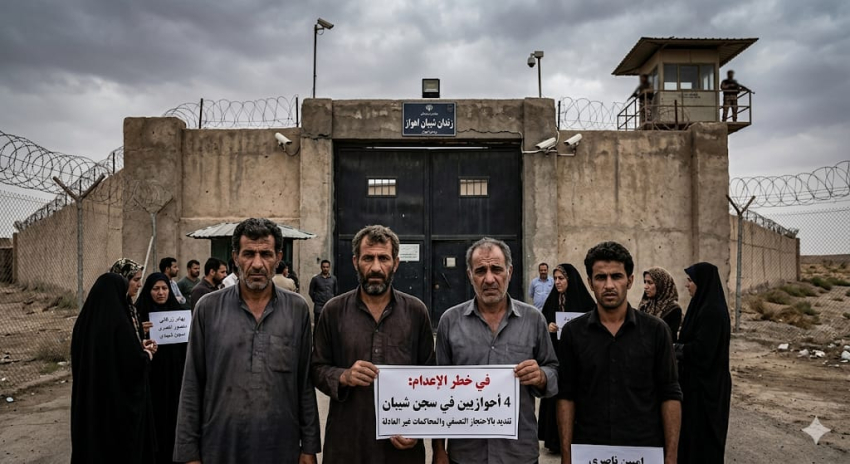
Based on documented reports received from Ahwazi field sources and reliable human rights monitors, the Alahwazi Organization for Human Rights (A.O.H.R.) expresses its profound and deep concern for the lives of four citizens of the Ahwazi Arab people. They were arbitrarily arrested on March 3, 2026, by Iranian security agencies, coinciding with a period of military escalation and confrontations between Iran on one side, and Israel and the United States on the other.
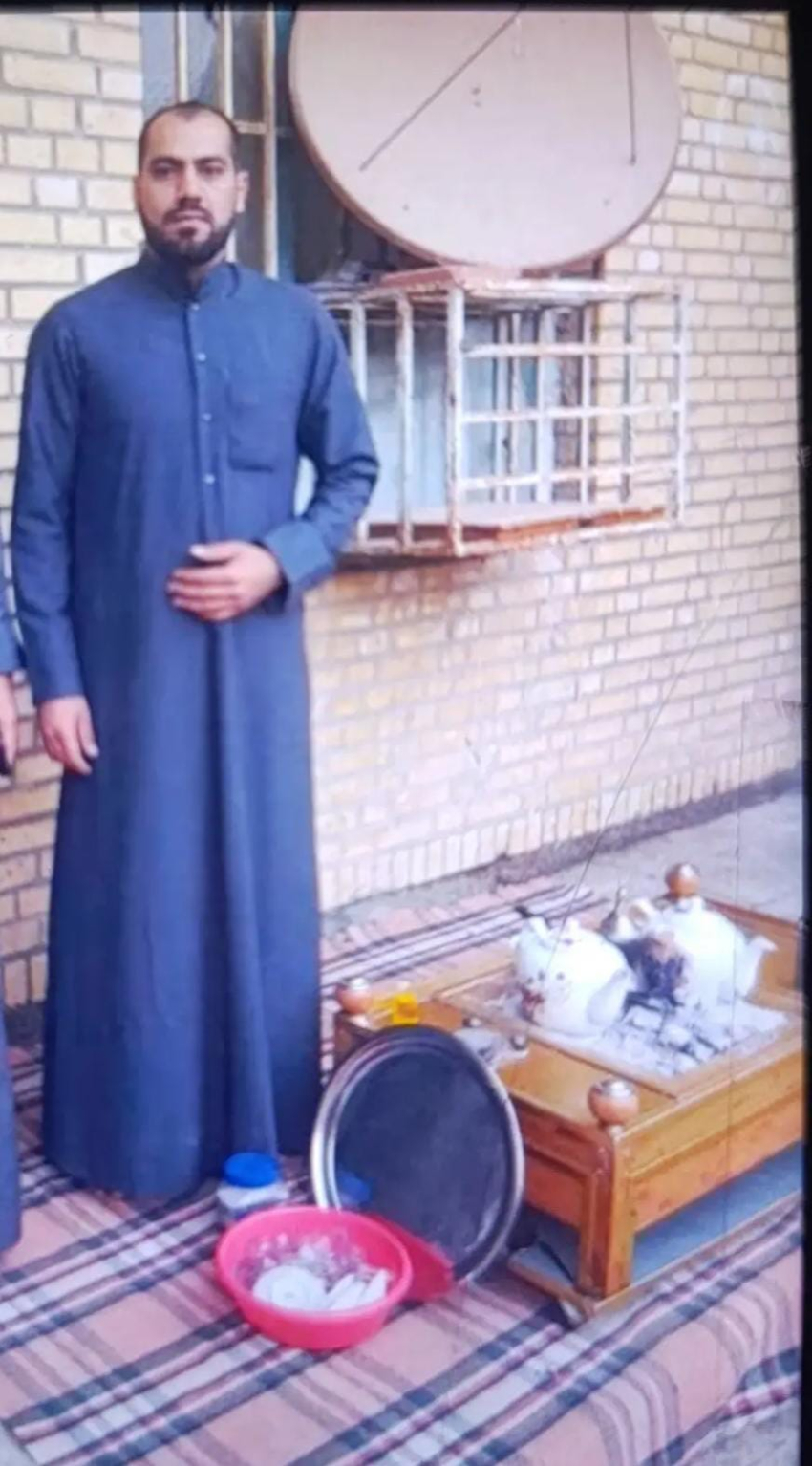
Up to the moment of drafting this statement, sources have been able to document the identities of three of the four detainees, all of whom are residents of the "Qal'at Kanaan" area in the capital city of Ahwaz. They are:
-
Bahador Zarqani (39 years old): Son of Khodair, married and a father of three children. He is a well-known and respected social figure in his area, recognized for managing a local center aimed at rehabilitating and helping youth recover from addiction.
-
Mansour Nasseri (40 years old): Son of Hadi, married and a father of four children.
-
Amin Nasseri.
The organization stresses that the Iranian judicial and security authorities are imposing an absolute blackout on this case. Families are barred from knowing the whereabouts of their sons or the charges leveled against them, amid a complete deprivation of the right to retain independent legal counsel.
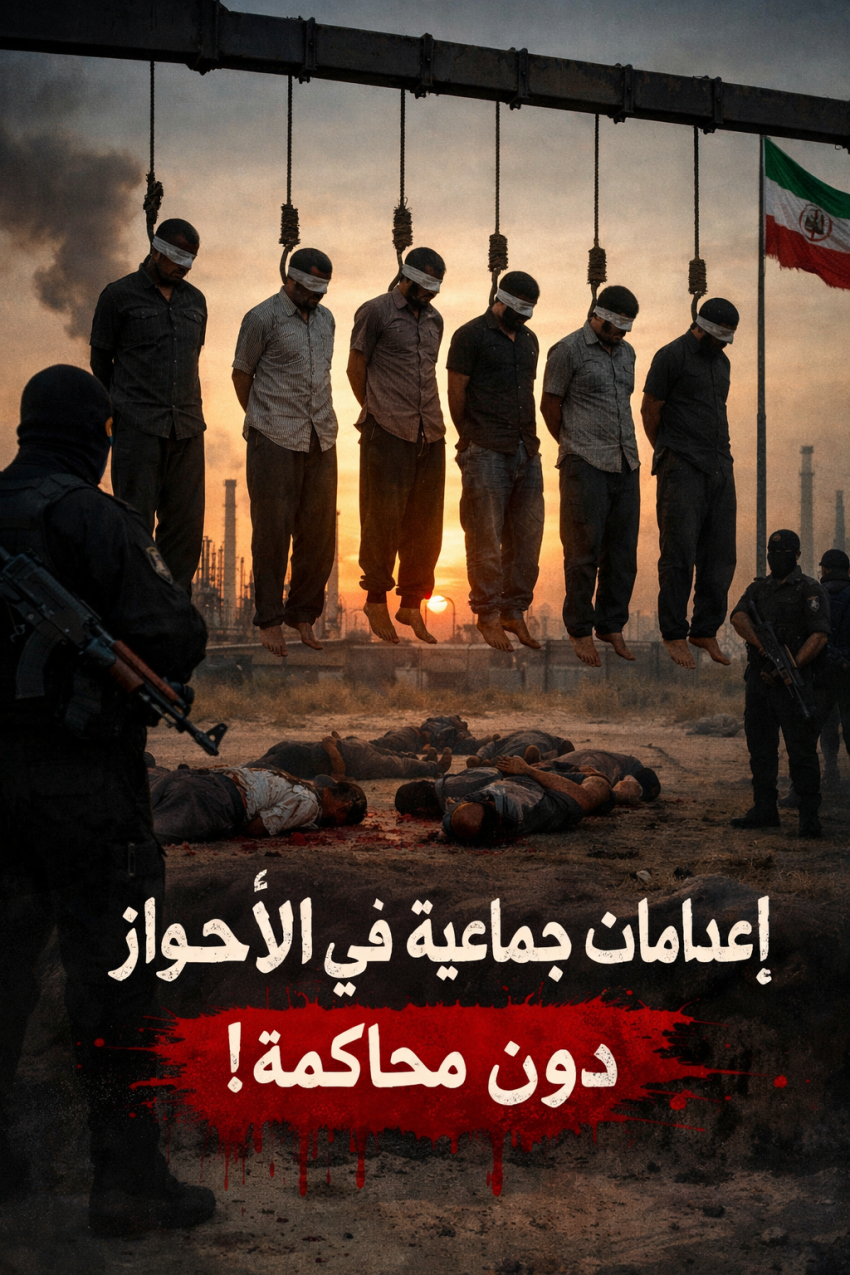
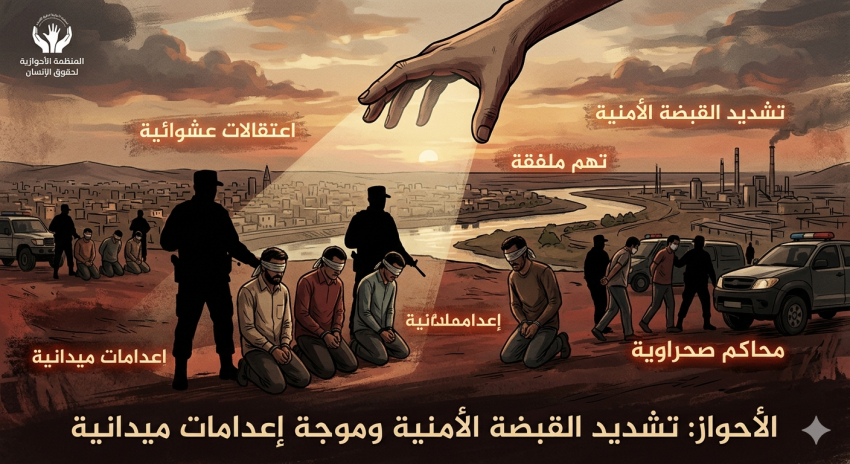
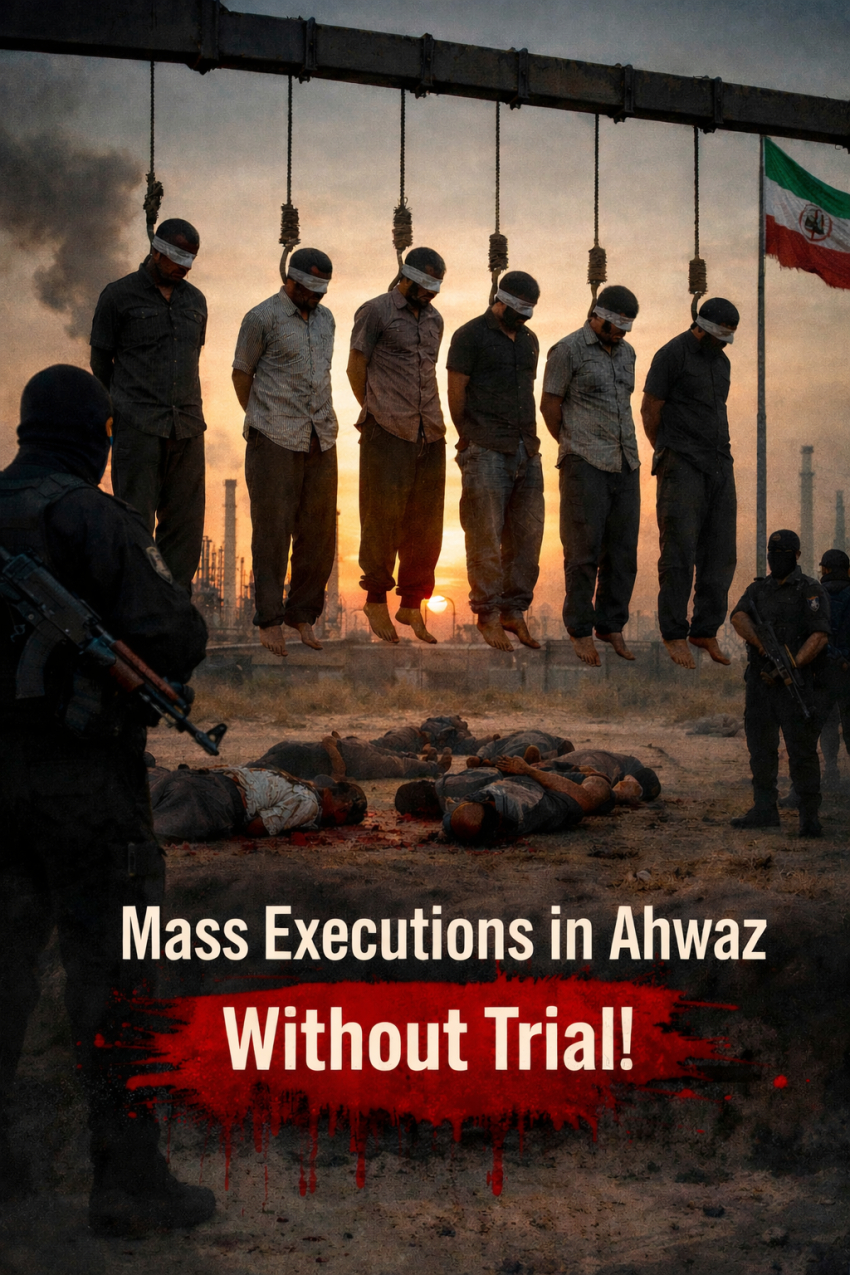
Families and human rights groups fear that this group will face the same tragic fate as the Ahwazi detainee "Mojtaba Kayan," who was executed secretly and hastily without notifying his family, less than 50 days after his arrest during the wartime period. This reveals an unprecedented and accelerated pace in executing retaliatory sentences under the cover of military decrees.
Reliable sources close to the organization indicate that under such circumstances, the security apparatus deliberately manufactures broad and pre-packaged charges such as "espionage for the Mossad or the CIA," "intelligence cooperation with the enemy," and "enmity against God" (Moharebeh). These are charges for which confessions are extracted under brutal torture in the intelligence agency's solitary confinement cells.
Furthermore, the judicial authorities are exploiting the state of war and the new law known as "Tashdid-e Mojazat-e Jasusi" (Aggravation of Espionage Punishments) to accelerate trial procedures and rush the ratification of death sentences by the Supreme Court without any proper legal scrutiny, aiming to:
-
Demonstrate power and enforce domestic deterrence.
-
Terrorize the Ahwazi street and suppress dissidents.
The Alahwazi Organization for Human Rights (A.O.H.R.) reminds the international community that these practices constitute a grave breach of international conventions:
-
Articles 9 and 14 of the International Covenant on Civil and Political Rights (ICCPR): Which explicitly prohibit enforced disappearance and arbitrary arrest, and mandate the provision of a fair and public trial along with defense guarantees.
-
Issuing and executing death sentences based on confessions extracted under psychological and physical torture falls under the classification of extrajudicial executions and constitutes a crime against humanity.
The organization urgently demands the UN High Commissioner for Human Rights and the UN Special Rapporteur on the situation of human rights in Iran to take immediate action and pressure Tehran to reveal the fate of these four detainees, and to halt the train of summary executions being carried out behind the curtain of regional conflicts.